Inside the drive to collect DNA from 1M veterans and revolutionize medicine This is our brand new freezer,” Don Humphries said.
Friends may influence children's fear and anxiety Parents may have a lot to do with how children react to scary things, but a new study suggests kids' response to fear may also be heavily influenced by their friends.
No new antidepressants in sight despite growing need, experts warn It is likely to be at least 10 years before any new generation of antidepressants comes to market, despite evidence that depression and anxiety rates are increasing across the world, specialists said on Wednesday.
Seniors with memory problems may struggle with driving Seniors with memory problems and related attention and decision-making issues may struggle with driving tasks, according to a Canadian study.
A scientist shares his lonely battle to withdraw from painkillers Travis Rieder spent more than four weeks in hospitals and nearly lost his foot after a van ran a stop sign and struck his motorcycle on Memorial Day weekend in 2015.
Dr. Marc Siegel: The VA, Ft. Lauderdale airport shootings and the health of our veterans Our war fighters who put their lives on the line to protect our country deserve our compassion and attention when they come home damaged, even if we can’t see their wounds.
White House's $100M mental health pledge: Token gesture or real effort at reform? What does $100 million buy in mental health care across the country? Turns out, not much.
Active kids less likely to be depressed later on Children who get more exercise may have fewer symptoms of depression than their peers who are less active, a recent study suggests.
Top prevention priorities for patients and doctors Focusing on a handful of top prevention priorities can add years to life expectancy for everyone in a family, experts advise.
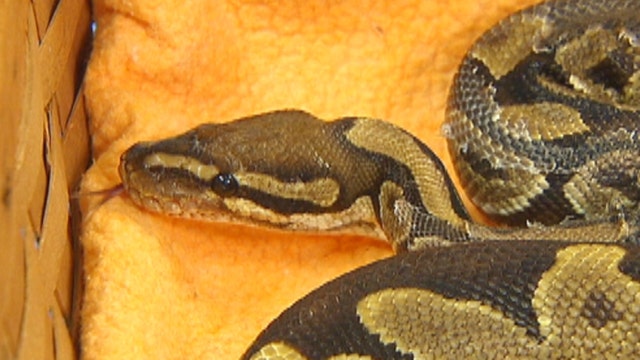
Can a snake be used as a therapy pet? When it comes to therapy pets, dogs, cats and other cuddly creatures seem like naturals, but snakes and rats are options, too.