Higher Testosterone May Equal Lower Heart Risks Elderly men with naturally higher levels of testosterone may be less likely to suffer a heart attack or stroke than those men with lower levels of the hormone
Saunas might be good for your health A study from Finland suggests that saunas might have health benefits – at least, for men.
Study suggests benefits of more heart care for young adults Living decades with high cholesterol greatly increases the risk for heart disease, according to a recent study that bolsters a push by some doctors for regular cholesterol testing and perhaps early drug treatment of people in their 30s and 40s.
Why your blood pressure should be checked in both arms People who have different blood pressure readings in their right versus left arm may be at increased risk for serious heart problems later in life, a new study suggests
Moderate drinking linked to lower heart failure risk A large new study suggests that people who have up to seven drinks a week in middle age have a lower risk of heart failure over the long term than those who abstain - though too much wine, beer or liquor could lead to an earlier death from other causes.
Flu shot may decrease risk of heart attack and stroke A new study found that people vaccinated against the flu had a lower risk of a major cardiovascular event such as a heart attack or stroke, compared with those who received no flu vaccine.
Women fare worse than men after heart attack Young women may have worse long-term outcomes than men after suffering a heart attack.
Old at heart? New tool calculates heart's true age A new tool helps even young people to estimate their risk for heart disease later in life, by calculating their heart's true age
Why pigs are so valuable for medical research The medical world is abuzz over the lifesaving potential of pigs, as researchers from the National Institutes of Health announced that they may have found a way to transplant pig hearts into humans. But for over 30 years, scientists have been using pigs in a number of medical fields, including dermatology, cardiology and more. So what makes this farm animal so valuable for medical research?
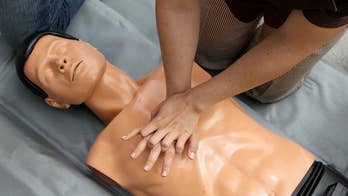
Chest compression-only CPR shows long-term benefit People who suffer cardiac arrest - in which the heart stops beating - were less likely to die in subsequent years when bystanders performed cardiopulmonary resuscitation using chest compressions only, a new study found