Lifestyle factors can halve heart failure risk after 65 Older people who walk briskly, are moderately active in their free time, drink moderately, don’t smoke and avoid obesity may be half as likely to develop heart failure as people who don't engage in these healthy habits, a new study suggests.
Sitting increases risk of heart failure in men, study shows The health risks associated with a sedentary lifestyle are numerous – and now new research reveals that men who spend more time sitting have an increased risk of heart failure
Acceptance of heart failure improves patients’ quality of life People who learn they have heart failure often feel emotionally devastated, but new research suggests that accepting the reality of the disease can make life easier.
After trauma, women face heart disease risk Women who experience a traumatic event and develop post-traumatic stress disorder (PTSD) may be at increased risk for heart disease, a new large study suggests
Study finds patients treated with generic statins more likely to adhere to medication regimen A new study has found that patients prescribed a generic statin are more likely to stick to their medication regimen than those treated with a brand-name drug.
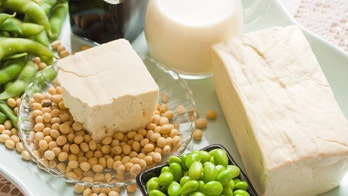
Soy May Not Prevent Clogged Arteries Taking extra soy supplements did not help stave off artery hardening in a new study of postmenopausal women
NIH: Taking Niacin Does Not Prevent Heart Problems Giving a high dose of niacin to people with heart disease who are already taking a cholesterol-lowering statin does nothing more to prevent heart attacks and strokes, U.S. government researchers said
Study Shows Link Between Heart Problems, HPV A new study suggests there may be a link between the infection by HPV and heart disease
96 Minutes Without a Heartbeat A little-known device is shaking conventional wisdom for reviving people who suffer sudden cardiac arrest: People may be able to go much longer without a pulse than the 20 minutes previously believed
New Drug Cuts Deaths After Heart Attack, Study Says A large study finds that people recovering from a heart attack or severe chest pain are much less likely to suffer another heart-related problem or to die from one if they take a new blood-thinning drug along with standard anti-clotting medicines