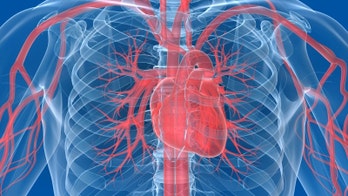
Heart disease could be tied to dementia for older women Older women with a history of heart trouble were more likely to develop thinking and memory problems than those without heart disease, it was found in a new study.
Females’ age during first menstrual cycle tied to heart disease risk, study finds The age at which girls start their first menstrual cycle may impact their risk of heart disease, new research has found.
Egyptian Mummy's Curse: Oldest Heart Disease Case An ancient Egyptian princess would have needed bypass surgery if she'd lived today, according to researchers who examined the mummy and found blocked arteries in her heart in what's now the oldest case of human heart disease
Heart effects of saturated fats may depend on overall diet While experts continue to debate the health effects of saturated fat, a new U.S. study suggests its link to heart disease depends on what else a person eats.
Air pollution linked to 7 million deaths worldwide The World Health Organization (WHO) has reported that air pollution caused the deaths of 7 million people in 2012, according to BBC News.
Signs of 'sudden' cardiac death may come weeks before, study finds Signs of approaching "sudden" cardiac arrest, an electrical malfunction that stops the heart, usually appear at least a month ahead of time, according to a study of middle-age men in Portland, Oregon.
Having 5 or more pregnancies may affect heart health Having five or more children could increase women's risk of developing heart disease, a new study in Hispanic and Latina women finds
Consumer group wants FDA to order warning on energy drinks A consumer advocacy group on Wednesday asked the U.S. Food and Drug Administration to add a safety warning on energy drinks because the caffeine-charged beverages have been linked to 17 deaths since October 2012.
Review examines risks, responses to in-flight medical emergencies An airplane in flight is one of the worst places to have a medical emergency, even if there's a doctor on board.
Study links common heartburn drug to increased heart attack risk One in every 14 Americans uses a proton pump inhibitor (PPI)— the most common type of heartburn drug— in any given year, but new research that links them to an increased risk of heart attack has prompted scientists to re-evaluate their safety.