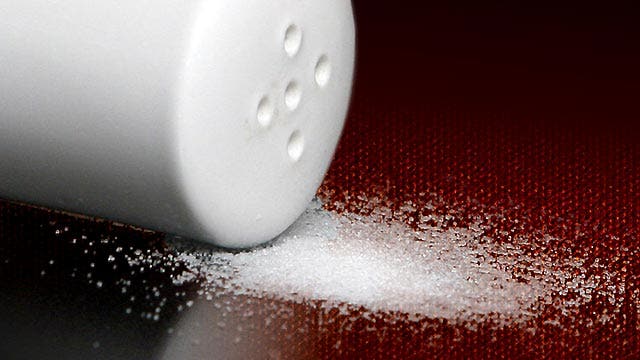
Study questions need for most people to cut salt A large international study questions the conventional wisdom that most people should cut back on salt, suggesting that the amount most folks consume is OK for heart health - and too little may be as bad as too much. The findings came under immediate attack by other scientists.
26-year-old's heart attack linked to energy drink A healthy 26-year-old man in Texas who suffered a heart attack might be able to blame his condition on his daily habit of drinking energy drinks, according to a new report of the case.
15 years after smokers quit, heart failure risk may fall to normal For most former smokers who quit at least 15 years ago, the risks of heart failure and death are the same as those of someone who never smoked, according to a new U.S. study.
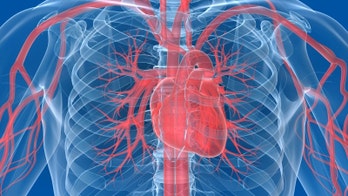
Researchers building bionic heart in Houston Scientists at the Texas Heart Institute are working to develop a bionic heart that they say may be the first feasible commercial replacement for the human heart.
FDA staff backs Medicines Co's once-rejected blood clot preventer An intravenous blood clot preventer developed by The Medicines Co should be approved by the U.S. Food and Drug Administration, FDA staff reviewers concluded.
Health literacy important for heart failure patient survival Acute heart failure patients are more likely to die within two years of hospitalization if they have trouble understanding and using health information, according to a new study.
Scientists question link between saturated fat and heart disease "Saturated fat does not cause heart disease"—or so concluded a big study published in March in the journal Annals of Internal Medicine. How could this be? The very cornerstone of dietary advice for generations has been that the saturated fats in butter, cheese and red meat should be avoided because they clog our arteries.
1 in 3 US adults have risk factors for stroke, heart disease About a third of U.S. adults have a collection of risk factors that increases their risk of heart disease and strokes, according to new research.
Midlife high blood pressure tied to later-life mental decline People with high blood pressure in middle age are more likely to experience cognitive decline - a common precursor of dementia – in their 70s and 80s, according to new research
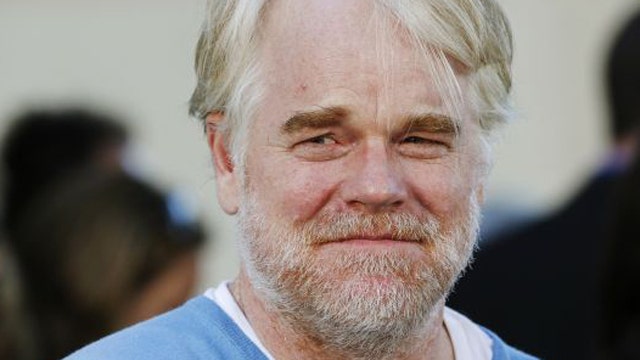
Philip Seymour Hoffman: Why heroin is so deadly A heroin overdose seems to be what ended actor Philip Seymour Hoffman's life, just like the lives of many before him. Although news reports say the police are still investigating the circumstances surrounding Hoffman's death, the likely involvement of heroin brings up the question of why the substance so deadly.