CDC study finds trans fats hidden in foods claiming zero on label A new study suggests Americans may be consuming dangerous amounts of trans fats and not even know it.
Doctors may not fully explain risks of common heart procedure Patients mulling whether to get a common procedure to unclog blocked arteries may not get enough information from their doctors to make the best choice, a small study suggests.
Review Raises Questions Over Benefits of Cutting Salt In an analysis that set off a fierce debate over the health effects of salt, researchers said on Wednesday they had found no evidence that small cuts to salt intake reduce the risk of developing heart disease or dying prematurely
New cholesterol lowering drug much more expensive than statins A new cholesterol lowering drug called Praluent was recently approved by the U.S. Food and Drug Administration and introduced to the market. Praluent is said to be a better alternative to statins, but comes at a much higher price.
Nonprofit finds new cholesterol drugs far too costly An independent nonprofit that evaluates clinical and cost effectiveness of new medicines said announced prices for a just-approved class of potent cholesterol lowering drugs were far too high, according to a draft report released on Tuesday.
Fiber from cereal may help you live longer, study says Whole grains are known to be good for you, but it may be the part of those grains that researchers call “cereal fiber” that is particularly important for reducing the risk the risk of disease and early death, a new study suggests.
Man’s heart damaged after swallowing razor blade lodged in bread A Turkish man is in critical condition after biting into a loaf of bread that contained a razor blade, Central European News (CEN) reported.
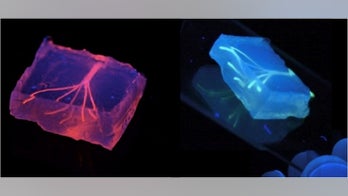
3D-printed blood vessels could be used for transplants Using 3D-printing methods, researchers have created artificial blood vessels in a lab. The bioprinted structures could be used for transplants or for testing new drugs, scientists say.
No problem with artificial heart fundamentals despite death, manufacturer says The artificial heart fitted in a patient who died on Saturday malfunctioned due to a fault with the controls of its motor, but an initial analysis indicates there are no fundamental problems with the device, its manufacturer Carmat said in a statement.
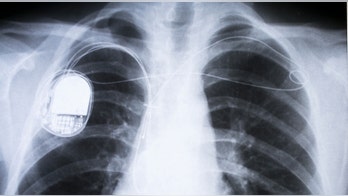
Dementia patients more likely to get pacemakers People with dementia are more likely to get pacemakers than people without any cognitive impairment, according to a new study