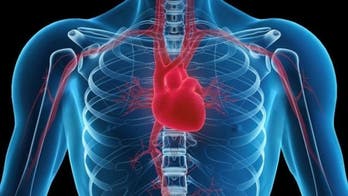
Icelandic gene study spots possible new way to cut heart risks A rare and previously unknown variation in some people's genes substantially reduces heart attack risk and cholesterol levels, potentially paving the way to new drugs, Icelandic researchers said on Wednesday.
Joe Montana on heart disease: 'Changing a lifestyle was tough at first' Pro Football Hall of Famer, Joe Montana sits down with Dr. Manny to talk about his battle with high blood pressure and cholesterol -- two major risk factors for heart disease
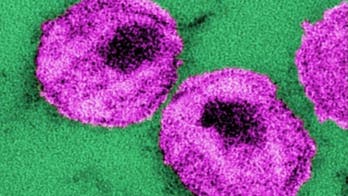
HIV-infected patients less likely to get cancer treatment HIV-infected cancer patients are much less likely to receive treatment for tumors than people who don't have the virus, a large U.S. study suggests.
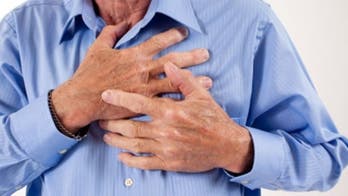
Silent but deadly: Half of all heart attacks have no symptoms Nearly half of all heart attacks may have no symptoms at all — but that doesn't mean they're any less deadly than heart attacks with symptoms, a new study finds.
Silent heart attacks strike more men but kill more women Nearly half of all heart attacks may be silent, occurring without any symptoms like chest pain, shortness of breath and cold sweats, a U.S. study suggests.
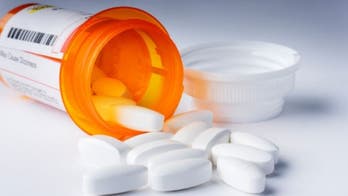
Drug company gifts linked to doctors' prescribing habits Doctors who receive payments or gifts from pharmaceutical companies are more likely to prescribe brand name medications, a new study suggests.
Community in California fundraises after thieves steal baby's medicine money When Breanne Martinez was robbed, her first concern was not being able to purchase medicine for her son.
Eating fruit in early life may decrease breast cancer risk; drinking more in midlife may increase risk Consuming certain fruits and vegetables during adolescence may result in a reduced risk of breast cancer in midlife, while increasing alcohol intake later in life may increase that risk, two separate studies released this week suggest.
Rise in heat waves tied to kidney disease 'epidemics' An increase in heat waves worldwide linked to climate change may be behind epidemics of kidney disease detected in workers who are increasingly exposed to heat and dehydration, according to a research review.
Can this test predict heart attack? When Wayne Williams was 48, he decided to get proactive about his health.