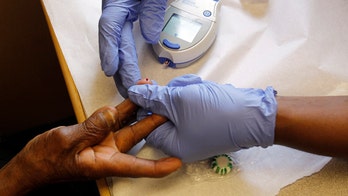
October 28, 2015 Artificial pancreas provides better real-world control of type 1 diabetes A system that combines frequent blood sugar measurements with software that varies the rate at which insulin is pumped into the body can significantly improve glucose control in type 1 diabetics, researchers say.
October 28, 2015 Vaccines Largely Safe, U.S. Expert Panel Finds After a close review of more than 1,000 research studies, a federal panel of experts has concluded that vaccines cause very few side effects, and found no evidence that vaccines cause autism or type 1 diabetes
October 28, 2015 Autistic student crowned homecoming king at Pennsylvania school John Toriello is the Ridley High Raiders’ biggest fan.
October 28, 2015 Number of children born to unmarried, cohabiting parents at record high The U.S. is seeing a steady rise in children born to unmarried, cohabiting couples—a trend that reflects a societal shift away from single parenthood but whose economic implications may not be much better.
October 28, 2015 Playing it safe: Signs of concussions in kids Each year, nearly two million Americans are treated for traumatic brain injuries, with 75 percent of those being concussions. Knowing the signs can save lives
October 28, 2015 Hospitals in New York Could Face Checks for Infant X-Rays A Brooklyn medical center is under the fire after New York state health inspectors discovered the facility continued to X-ray premature babies long after it said the practice had been discontinued
October 28, 2015 Supreme Court Rules for Vaccine Makers on Lawsuits The Supreme Court ruled that federal law shields vaccine makers from product-liability lawsuits in state court seeking damages for a child's injuries or death from a vaccine's side effects
October 28, 2015 Probiotics don't help fussy babies Probiotics do not reduce the rate of colic in babies, a condition in which newborns cry for prolonged periods without a clear reason, a new study suggests
October 28, 2015 Scientists say fidgeting in ADHD children may enhance brain function The most obvious sign of attention deficit hyperactivity disorder (ADHD) in children is excessive fidgeting, affecting up to 75 percent of cases. Although it can be challenging for parents and teachers, a new research suggests that the constant movement may improve cognitive performance.
October 28, 2015 Most US kindergartners getting vaccines, risks remain Most U.S. kindergartners received the recommended vaccines for measles and other preventable diseases during the 2011-12 school year, but local clusters of unvaccinated children still pose a health risk