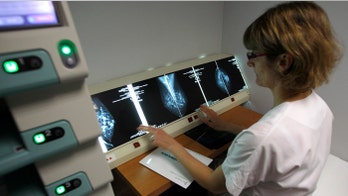
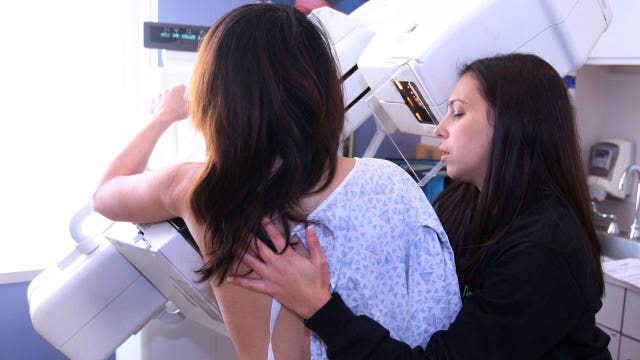
Task force says women should get mammograms every 2 years from age 50 Women should get a mammogram every two years starting at age 50 — and while routine screening brings little benefit in the 40s, beginning it that early should be a personal choice, a government task force said Monday.
Cancer is in remission for Connecticut teen forced to undergo chemo A lawyer for a 17-year-old Connecticut girl forced to undergo chemotherapy by the state after she refused treatment says her cancer appears to be in remission.
Homecoming date surprises Tennessee student battling cancer One Houston high school student’s homecoming dance was made even more special by a surprise from her date, who shaved his head in solidarity with her cancer battle.
Canadian man who 3-D printed copy of his brain tumor pushes for more access to patient data A 27-year-old Canadian man with a keen interest in his own health played a key role in the discovery of his brain tumor, which he has now used 3-D printing to create a model of.
Amgen reports positive preliminary results on leukemia drug Amgen Inc on Thursday said some patients with a deadly form of leukemia experienced complete remission after being treated with its Blincyto drug in a midstage clinical trial, results that could eventually lead to an expanded approval of the pricy cancer medicine.
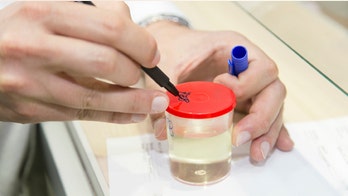
New method shows promise for urine cancer test Detecting diseases such as cancer could one day be done with a urine test, if a new technique demonstrated in two new studies proves to be safe and effective in people.
Gay, bisexual men more likely to use indoor tanning than straight men Gay and bisexual men are more likely than straight men to use indoor tanning, and almost as likely as women to engage in the dermatologically risky behavior, according to new research.
Nancy Brinker: Mammograms are a necessity. Period. Now is not the time to confuse women The trouble with these new mammogram recommendations is that many women do not know if they are at “average” risk or a much higher risk because they are not informed about their family history.
Mystery woman with amnesia identified by family A woman who was found unwell in California five months ago with no recollection of who she was has been identified by her family.
HPV test better than Pap for assessing cervical cancer risk, study says Testing for human papillomavirus (HPV) may be the best way to know whether a woman is at risk of developing cervical cancer in the near future, according to a new study.