
















PITTSBURGH – A 41-year-old neurologist died of cyanide poisoning last year, and that chemical had to have been administered minutes before her husband called 911, a poisoning expert testified Monday during the husband's homicide trial.
The expert, Dr. Christopher Holstege of the University of Virginia, said Dr. Autumn Klein's symptoms ruled out anything but cyanide poisoning, and a positive test of her blood confirmed it as the cause of her death.
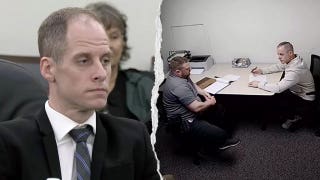
Holstege testified in the eighth day of the trial of 66-year-old University of Pittsburgh medical researcher Dr. Robert Ferrante. Allegheny County prosecutors contend Ferrante laced Klein's creatine energy drink with cyanide that he bought two days earlier and had overnighted to his research lab before Klein fell suddenly ill just before midnight on April 17, 2013.
Holstege, who published a book two years ago titled "Criminal Poisoning: Clinical and Forensic Perspectives," testified that he based his expert opinion on documents ranging from police reports, records of medical treatments that Klein received after the 911 call until she died three days later, and, finally, on lab tests that found lethal levels of cyanide in blood drawn from her by physicians trying to save her life. Those results weren't known for several days after she died.
Defense attorney William Difenderfer suggested that Holstege, who was hired by prosecutors to be their witness, merely arrived at their foregone conclusion.
"It's an assumption the DA wants you to make, right?" Difenderfer said.
"No," Holstege said, "it's an assumption I came to from reviewing the case as a physician who's been practicing for 20 years."
Difenderfer has promised to call medical witnesses to cast doubt on the prosecution's claim that Klein was even poisoned. Among them is the county's former coroner, Dr. Cyril Wecht, a nationally known pathologist who has consulted on the deaths of JonBenet Ramsey and Elvis Presley.
One defense witness has already testified: Dr. Lewis Nelson, who is associate medical director for the New York City Poison Control Center and has edited a book to which Holstege contributed a chapter on cyanide poisoning. Nelson's testimony was recorded last week because of a scheduling conflict and will be played for the jury later this week.
Nelson testified that Klein's death "is certainly not inconsistent" with cyanide poisoning, but said there were enough unexplained symptoms that she could have died of a heart arrhythmia or some other non-sinister cause, as the defense claims.
Holstege said cyanide poisoning is "tricky" because it can mimic several other conditions at first. The poison kills cells and makes it difficult for blood to carry oxygen, which can create various symptoms as the organs — especially the brain and heart — malfunction or shut down as a result.
Assistant District Attorney Lisa Pellegrini has suggested Ferrante killed Klein because she was pressuring him to have a second child — the couple's daughter was 6 when Klein died — and because Ferrante suspected Klein might have been having an affair.
Ferrante has denied killing Klein through his attorneys, who have argued Ferrante bought the cyanide because it can be used in the lab to mimic the kind of neurological cell death caused by Lou Gehrig's disease, for which Ferrante was working to find a cure.
