




















Wild video shows how ‘blood rain’ turns Iranian island red
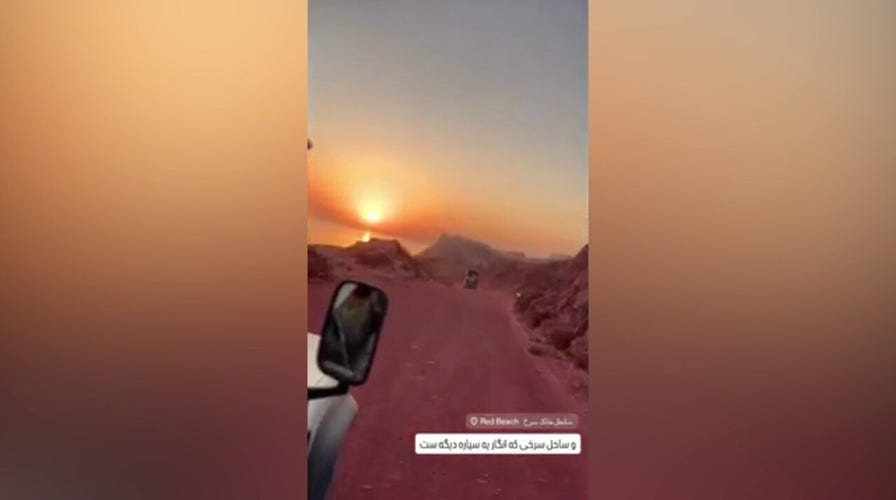
Viral video reveals the crimson terrain after an overnight rainstorm on Iran's Hormuz Island. (@mohsen_fitsaz via Storyful)
Viral video circulating online shows how heavy rain recently turned an island's landscape blood-red.
Hormuz Island off Iran in the Persian Gulf turned a deep crimson, dramatic footage shows, after a downpour that washed over the Middle Eastern island’s aptly named Red Beach.
The rainwater is said to have mixed with mineral-rich sediment and seawater, creating a vivid, blood-red scene.
Hormuz Island turned red due to the heavy rainfall Dec. 16, a result of its iron oxide-rich soil, according to reports.
ANCIENT LAKE RETURNS TO CALIFORNIA'S DEATH VALLEY AFTER VANISHING THOUSANDS OF YEARS AGO
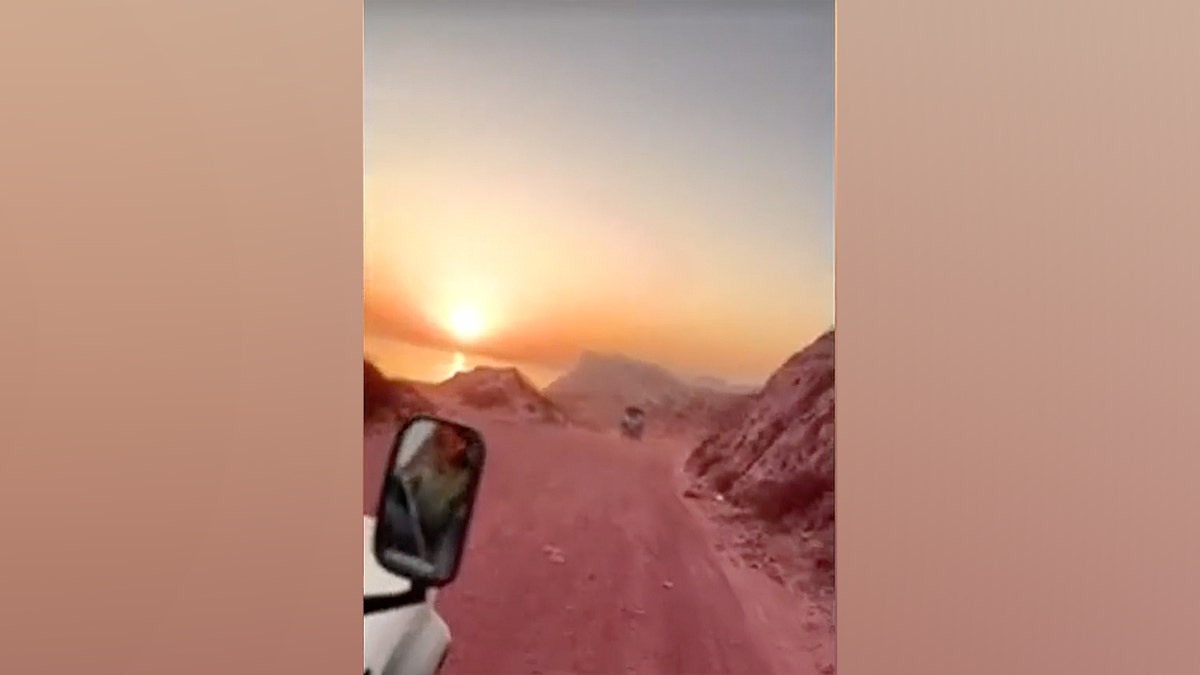
Heavy rainfall on Hormuz Island creates blood-red runoff as iron oxide soil washes into coastal waters. ( Instagram user @mohsen_fitsaz)
In a clip shared on Instagram, the heavy downpour mixes with the deeply colored earth, bringing deep red sediment downhill and into the ocean.
"Hormuz Island is mostly formed of red soil and salt rock," according to a study by Science Direct, in which researchers looked into heavy metal content in the region's soil.
"The red soil originates its color from a mixture of hematite and iron hydroxides, but the amount of hematite dominates over iron hydroxides."
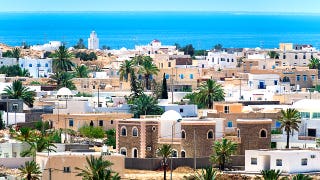
Hormuz Island is a small key in the Strait of Hormuz off Iran’s southern coast and is home to a few thousand residents.
It's also known locally as Rainbow Island because of its multicolored soils and rock formations.
IRAN'S 'WATER BANKRUPTCY' WILL WEAKEN REGIME AND NUCLEAR PROGRAM, UN EXPERT WARNS
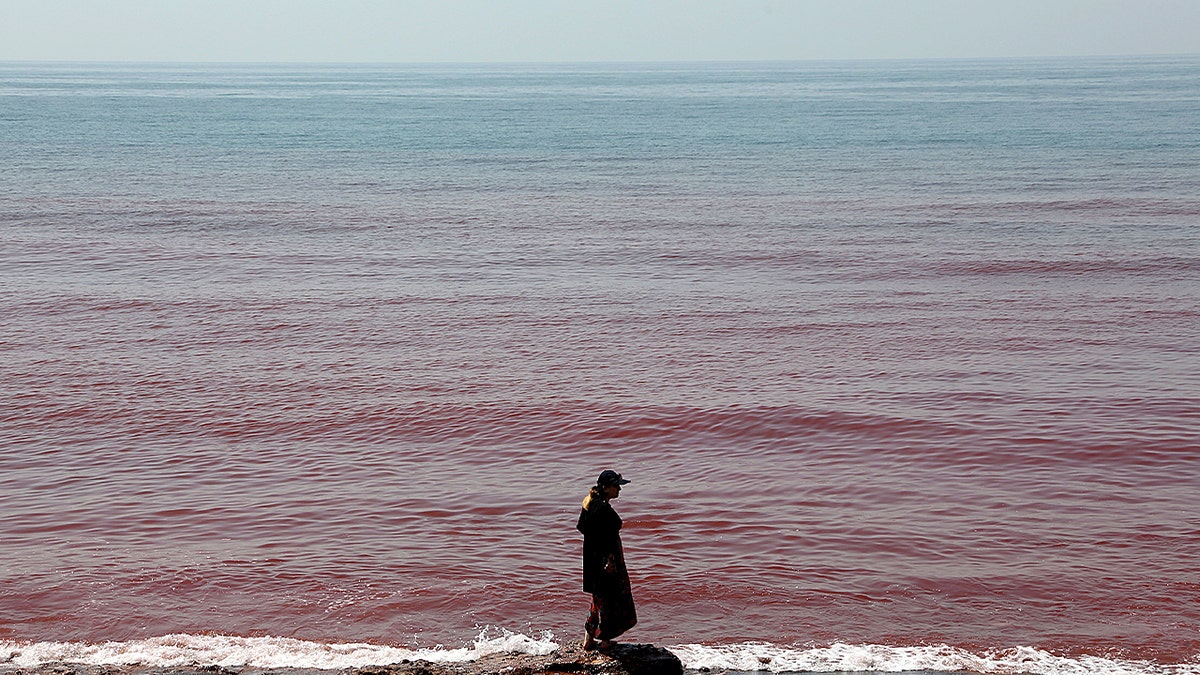
Scientists explain the natural phenomenon behind the viral red rain videos from Iran's Rainbow Island, where hematite-rich soil creates crimson waters. (Atta Kenare/AFP via Getty Images)
Reports of the red rain sparked comparisons to "blood rain" described in ancient texts, but scientists say it's all natural.
"The island is a salt dome, a teardrop-shaped mound of rock salt, gypsum, anhydrite and other evaporites that has risen upward through overlying layers of rock," researchers from NASA’s Earth Observatory explained.
"Rock salt or halite is weak and buoyant, so it loses its brittleness and flows more like a liquid when under high pressure."
The striking color is also said to come from iron oxide–rich soil locally known as "golak," which covers much of Hormuz’s surface.
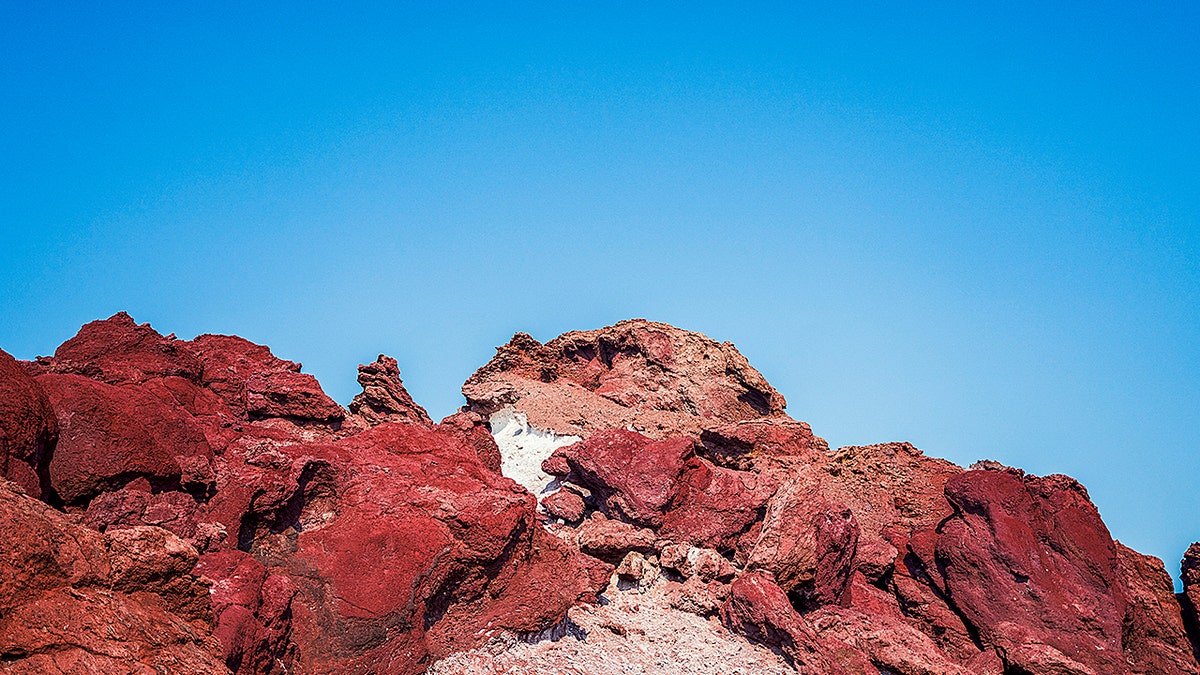
Scientists explain the natural occurrence on Hormuz Island, known as Rainbow Island, because of its multicolored rock formations. (Hiroon/Middle East Images/AFP via Getty Images)
When heavy rain hits the island’s hills and cliffs, water mixes with this mineral-rich earth, carrying fine red particles into creeks, rivers and eventually into the Persian Gulf.
As the iron oxide becomes suspended in the water, it absorbs shorter wavelengths of light and reflects longer red wavelengths, giving the runoff and coastal waters a crimson color.
CLICK HERE TO DOWNLOAD THE FOX NEWS APP
Researchers also said that "blood rain" events happen when rain or runoff contains dust, mineral-rich soil or algae.
