



















DOJ charges against Southern Poverty Law Center are 'tip of the iceberg,' activist argues
Woodson Center founder and civil rights activist Bob Woodson argues that some organizations focus more on securing funding than solving problems in struggling communities on ‘The Will Cain Show.’
The Department of Justice’s investigation into the Southern Poverty Law Center (SPLC) underscores a broader reality: in today’s advocacy economy, the demand for racism vastly outstrips the supply.
The SPLC is a high-profile civil rights organization that claims to fight racism and white supremacy. But according to Attorney General Todd Blanche, the group defrauded donors by funding the very kinds of extremism it purports to oppose.
Blanche argues that instead of dismantling extremist networks, the SPLC "was instead manufacturing the extremism it purports to oppose by paying sources to stoke racial hatred."
The DOJ further alleges that between 2014 and 2023, the organization "secretly funneled" more than $3 million in donor money to at least eight individuals tied to violent extremist groups, including factions linked to the Ku Klux Klan.
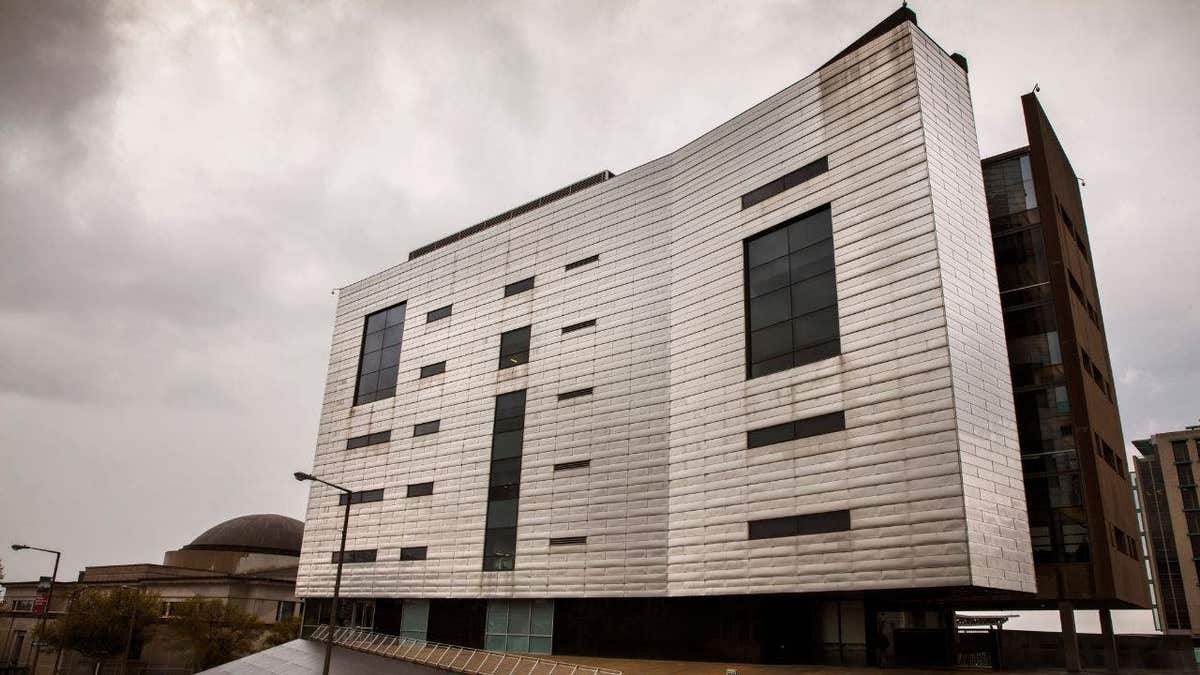
The Southern Poverty Law Center (SPLC) building seen in March 2020 in Montgomery, Alabama. (Barry Lewis/InPictures via Getty Images)
WHEN THE 'VICTIM NARRATIVE' TAKES OVER MINORITIES AND THE AMERICAN DREAM
If that is true, it is not just corruption. It is the logical endgame of an industry that depends on the existence of the very problem it claims to combat. It also suggests something many of these organizations cannot admit: macro-level racism is not nearly as prevalent as they claim.
And to the SPLC, that is a problem.
Groups like these need a steady stream of examples to prove their cause is widespread, urgent, and perhaps even lethal. Their funding, relevance, and influence depend on it. But when the real-world supply of those examples falls short of the demand, something has to give.
REWARDING RACISM: HOW TRIBAL POLITICS IS TEARING AMERICA APART
According to the DOJ, the SPLC allegedly filled that gap itself.
This dynamic is not unique to one organization. It is structural.
In 2023, OutKick profiled the Human Rights Campaign, one of the most powerful LGBTQ advocacy groups in Washington, and found the same underlying problem.
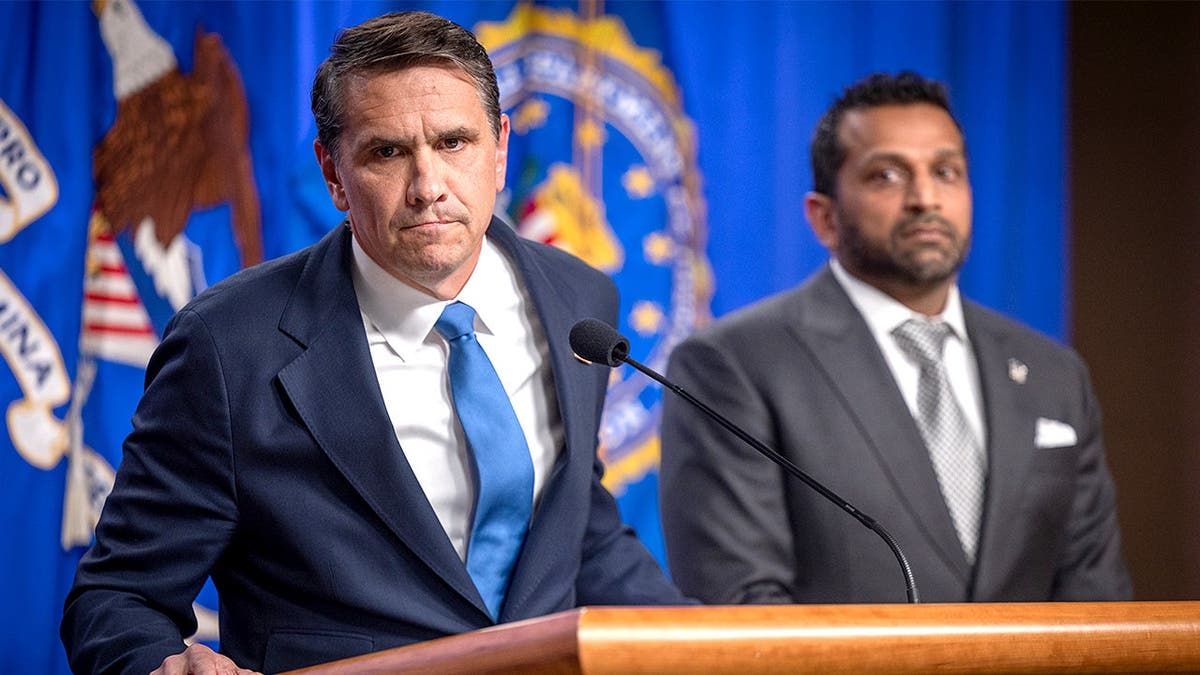
Acting Attorney General Todd Blanche spoke during a press conference alongside FBI Director Kash Patel at the Department of Justice on April 21, 2026, in Washington, D.C., following the indictment of the Southern Poverty Law Center on charges related to money laundering. (Nathan Posner/Anadolu via Getty Images)
The HRC was founded in 1980 and built its power around the fight for same-sex marriage. That fight concluded in 2015 with the Supreme Court’s ruling in Obergefell v. Hodges, requiring all 50 states to recognize those marriages.
That should have been the finish line. Instead, it created a dilemma. When your entire institution is built around solving one problem, what happens when you actually solve it?
You find another one.
THE BLACK VICTIMIZATION CULT IN AMERICA HAS FOUND A NEW HOME
The HRC shifted its focus to so-called "trans rights." Trans rights are not a real crisis. Trans people have the same rights as every other American. But the HRC understood it had to attach itself to another dilemma, even if it meant creating one.
That is how the system works.
The same incentive structure applies here. Organizations built around fighting racism need racism to feel constant, systemic, and unresolved. Without that sense of urgency, the justification for their scale disappears. So does the funding.
I WITNESSED BLM DESTRUCTION FIRSTHAND AND I KNOW THE TRUE GOAL BEHIND ANTI-ICE PROTESTS
Put simply, there is an obvious incentive to exaggerate, stretch, and, in extreme cases, manufacture the problem.
The Democrat Party has long considered this dynamic. As the civil rights movement neared its end in the 1960s, legal equality was no longer enough to sustain the same level of political urgency. So the argument shifted. The party introduced affirmative action to address the issue.
There is value in racial tension, both politically and financially. It mobilizes voters, justifies policy, and sustains entire institutions. As long as Americans are convinced racism is a constant and growing threat, the people and groups that claim to fight it remain in demand.
That is the through line.
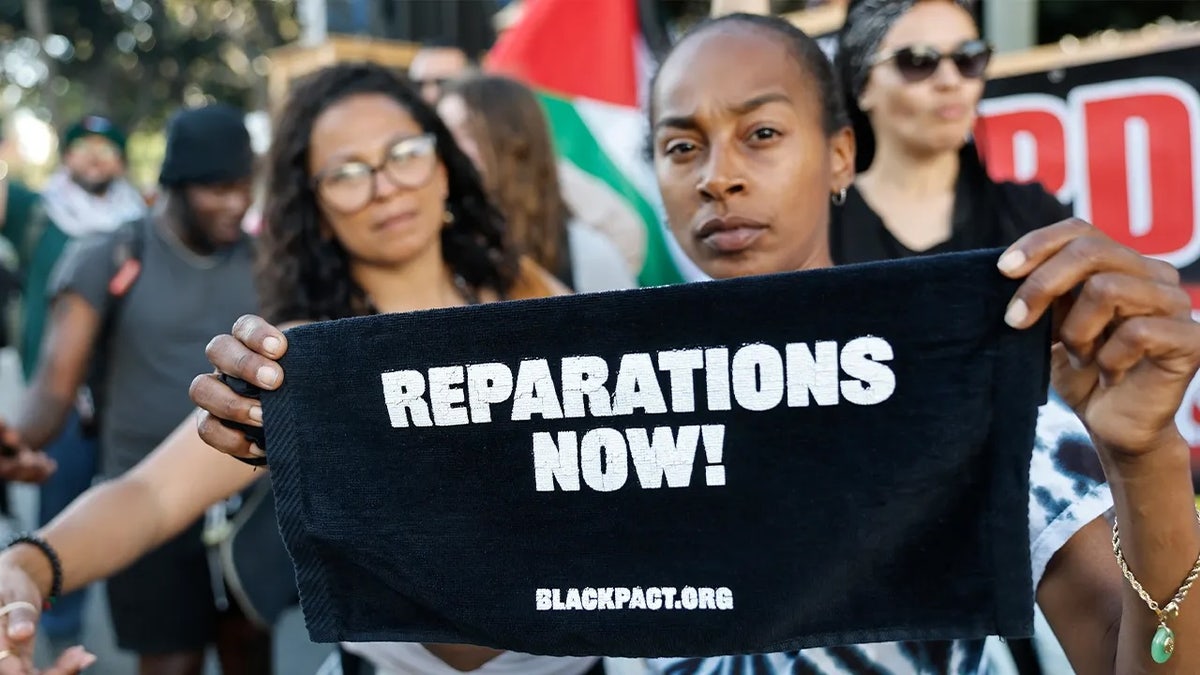
A top United Nations human rights official called reparations the "key to dismantling systemic racism." (Getty Images)
There’s a reason that the groups that talk the most about racism are the ones who refuse to let racism die.
The SPLC is no different. It does not benefit from a world in which racism is rare and isolated. It benefits from a world in which racism feels pervasive, urgent, and in need of a solution.
CLICK HERE TO DOWNLOAD THE FOX NEWS APP
Like most crises, racism sells. And when it fades, groups like the SPLC are not built to step back and declare victory.
They are built to keep it going, even by creating the supply itself.
