

























Sleep expert warns poor rest may raise dementia risk over time
Dr. Wendy Troxel, a Utah-based licensed clinical psychologist, reveals why regular, quality sleep is critical for cognitive health as people age.
Common and treatable ear conditions may be associated with a higher risk of dementia, according to new research.
A study from Columbia University investigated how middle-ear problems that may cause conductive hearing loss are linked to the brain disorder.
The research, published in the Journal of Otolaryngology – Head and Neck Surgery, analyzed a large dataset from the National Institutes of Health, including more than 300,000 U.S. adults.
CLICK HERE FOR MORE HEALTH STORIES
The study focused on three hearing loss conditions: cholesteatoma (an abnormal skin growth in the middle ear), eardrum perforation (a hole in the eardrum), and otosclerosis (abnormal bone changes in the middle ear), according to a press release.
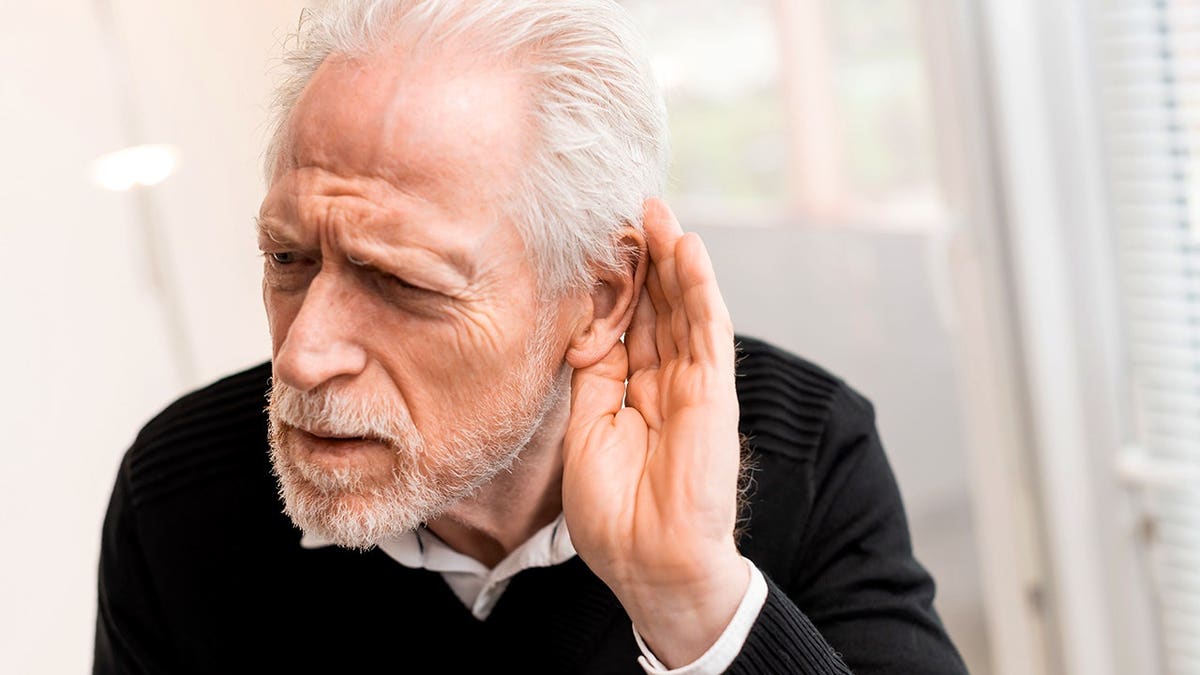
Treatable ear conditions, which can cause hearing loss, may also be associated with dementia risk. (iStock)
After comparing dementia diagnoses in people with these conditions, the researchers found that cholesteatoma was linked to 1.77 times the odds of the cognitive disorder, and eardrum perforation was linked to more than twice the risk.
CLICK HERE TO DOWNLOAD THE FOX NEWS APP
Otosclerosis was not found to be significantly associated with dementia.
Dementia risk associated with cholesteatoma and eardrum perforation slightly decreased when surgical treatment was performed, according to the study.
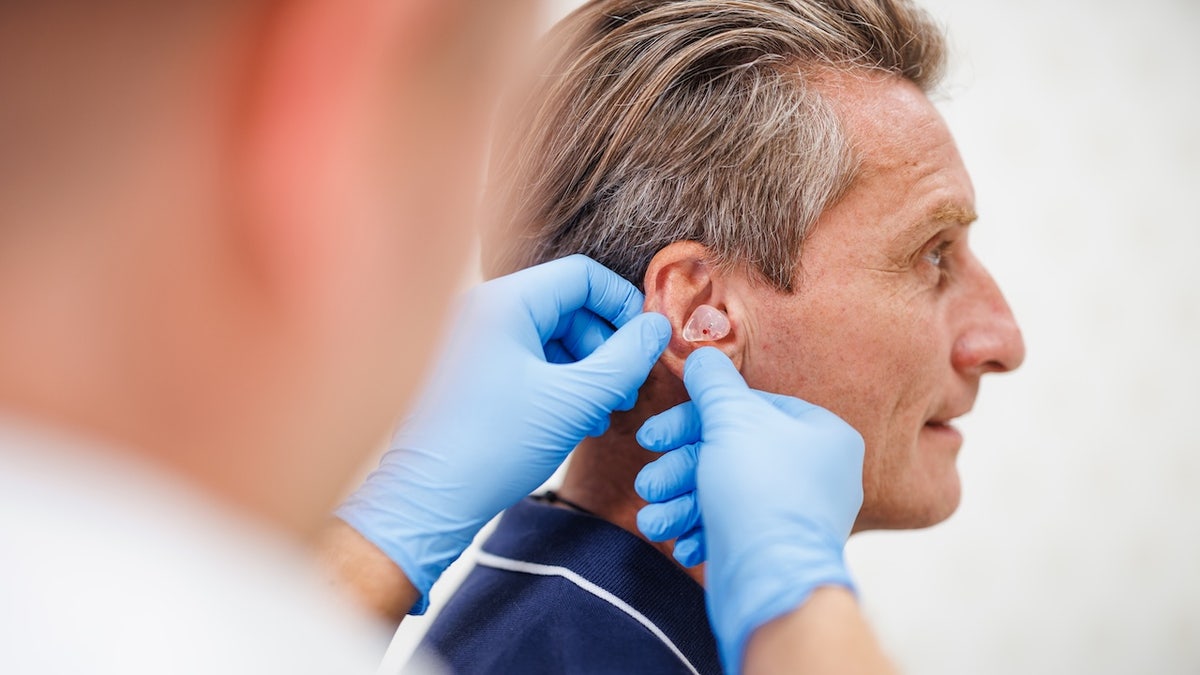
Researchers say these findings suggest that correctable conditions could decrease dementia risk. (iStock)
These findings add to existing evidence that "cognition is impacted by sensory deprivation," but also suggest that some of the causes are treatable, which could reduce dementia risk, the authors wrote.
Study co-author Dr. Justin S. Golub, MD, associate professor at Columbia's department of otolaryngology, echoed that age-related hearing loss has a known link to worsening cognition later in life.
"In this study, we show that correctable causes of hearing loss are also related to dementia, and if surgery is performed to treat it, the risk of dementia goes down," he said in an interview with Fox News Digital. "While we need more studies to confirm, it shows that surgery to treat hearing loss may have an effect not only on your hearing, but also on your mind."
CLICK HERE TO SIGN UP FOR OUR HEALTH NEWSLETTER
The study was observational in design, meaning it shows an association between ear conditions and dementia, but cannot prove that one causes the other.
Fox News senior medical analyst Dr. Marc Siegel noted that dementia is not the cause of hearing loss, but that there appears to be a "strong association the other way around."

"Without the ability to hear, you are more shut off from the world and more likely to develop dementia as a result," a doctor says. (iStock)
Siegel noted that these findings coincide with previous evidence revealing that the more a person is "engaged in the world" socially, the less likely they are to develop dementia.
"It's almost as if the brain is a social muscle that needs to be exercised," the doctor, who was not involved in the study, told Fox News Digital. "Without the ability to hear, you are more shut off from the world and more likely to develop dementia as a result."
TEST YOURSELF WITH OUR LATEST LIFESTYLE QUIZ
Fox News Digital reached out to the study authors for comment.
