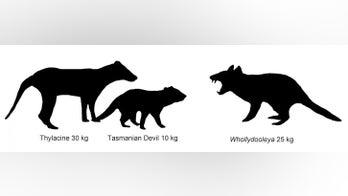
August 1, 2016 Hyena meets Tasmanian devil: Ancient 'hypercarnivore' unearthed A newfound extinct marsupial "hypercarnivore" from Australia — one that researchers say looked like a cross between a Tasmanian devil and a hyena — was about twice as big as Australia's largest living flesh-eating marsupials, a new study finds.
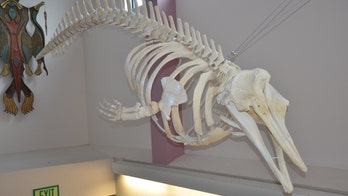
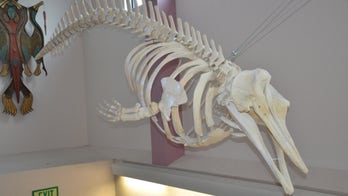
July 29, 2016 New species of beaked whale discovered by DNA analysis A new species of beaked whale has been discovered. The black whale, which has yet to be named, ranges across the northern Pacific Ocean.
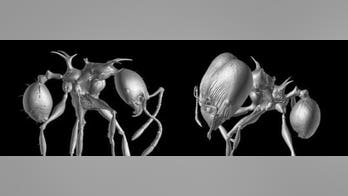
July 29, 2016 'Game of Thrones' ant has dragon-like spikes A dragon from "Game of Thrones" has come to life — sort of.
July 28, 2016 Scientists confirm unnamed, rarely seen whale species roams Pacific Ocean Genetic tests confirm that a mysterious, unnamed species of beaked whale only rarely seen alive by Japanese fishermen roams the northern Pacific Ocean, according to research published this week.
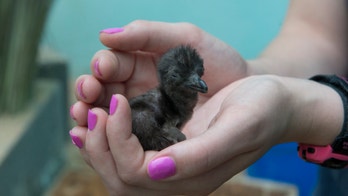
July 28, 2016 Cute debut: First fairy penguin chick born at Bronx Zoo A new baby penguin has joined the animals on display at the Bronx Zoo, and it’s adorable.
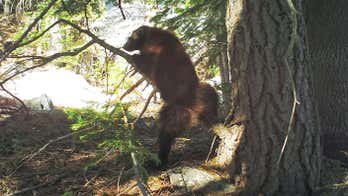
July 25, 2016 Scientists capture rare sighting of wolverine in Sierra Nevada Scientists following up on a rare wolverine sighting in the Sierra Nevada set up cameras and captured video of the animal scurrying in the snow, scaling a tree and chewing on bait.
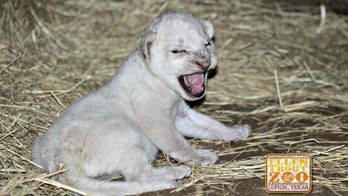
July 21, 2016 Lion at Texas zoo gives birth to cub with rare white fur On Friday, when a lion at the Ellen Trout Zoo in Lufkin, Texas, gave birth to a cub, zoo officials got a surprise: the baby had white fur.
July 21, 2016 Watch two whales nearly hit a kayaker in dramatic video Two humpback whales emerged out of the water right next to a kayaker in California on Sunday— and it was caught on camera.
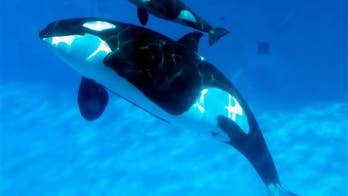
July 20, 2016 Whales may grieve for their young as human parents do Whales are known for their intelligence—and now they may become known for their emotions and parental instincts, too.
July 19, 2016 Bolivia park is a butterfly paradise Scientists on an expedition in Bolivia have identified more than 1,000 varieties of butterflies living in Madidi National Park, a New Jersey-sized protected area considered to be the most biodiverse in the world.