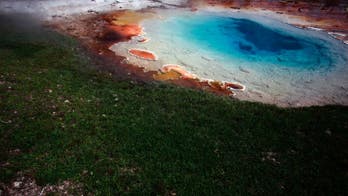
March 21, 2018 Yellowstone supervolcano may have underwater magma 'anomaly,' researchers suggest The researchers said the magma under Yellowstone may stretch as far as Mexico.
March 21, 2018 California beaches reopen after raw sewage spill, investigation for cause ensues: report Eight beaches on California's Central Coast reopened this week after nearly 5 million gallons of raw sewage spilled into the Pacific, while an investigation has opened to find the cause, officials said Tuesday.
March 20, 2018 The 8 biggest mysteries of our planet Many riddles still remain when it comes to our planet.
March 20, 2018 11 bizarre sources for alternative energy Here are 11 of the more unusual sources that go above and beyond the norm. Who knows. One day, you may use sugar to power your laptop, bacteria to run your car or dead bodies to heat a building.
March 20, 2018 Are these foods doomed to disappear? Can you imagine a world in which your favorite foods didn’t exist?
March 20, 2018 7 facts you didn't know about coffee production If you haven't been keeping up with NPR's Coffee Week lineup of stories, you're missing out on a whole bunch of new insight into the cup of coffee you drink every day. NPR's Coffee Week coverage is dripping with news and facts about the culture of coffee, from the journey of coffee production from fruit to cup to the threats facing coffee plant genes, and more. It's not often that we think exactly about how our coffee ends up in our cup, and it's a long, lengthy journey. As writer Dan Charles explains, the coffee exports from the "coffee belt" of the world help prop up many of the tropical countries, where exports of green coffee beans add up to $15 billion per year. And considering that one Arabica coffee tree produces only 1 to 1.5 pounds per year, it takes a lot of care to keep up with the demands of coffee drinkers (in Nordic countries, it can reach up to eight cups of coffee per day). And the complexities of the coffee bean — and the leaf rust that's threatening to wipe out coffee farms worldwide — make coffee as interesting of a crop as any other. And more importantly, as writer Allison Aubrey notes, is how third-wave coffee production is not just giving drinkers a better-tasting cup of coffee; it's allowing farmers to reinvest in their farms and provide better working conditions for those producing the coffee. From sorting and drying the beans to just getting the beans to a port to be shipped to the U.S. and other countries, the process of coffee is labor-intensive. Aubrey puts it best: "So, next time you sip on a latte, remember: It's not just the face of the barista behind those coffee beans." We asked Charles and Aubrey to share with The Daily Meal the most surprising facts they discovered about coffee production; you can click ahead to find out more eye-opening tidbits about your coffee. Let's just say, you'll appreciate your morning caffeine jolt that much more.
March 20, 2018 Creepy military voicemail warning of impending Doomsday sends internet into meltdown A terrifying voicemail in military code sent to random Twitter users’ phones has sent the internet into meltdown as users speculate over its links to MH370, alien life and an impending Doomsday date.
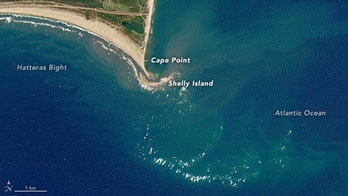
March 15, 2018 Virginia man fights for ownership of vanished North Carolina 'island' Last year's formation of a crescent-shaped strip of sand that jutted into the Atlantic Ocean off the point of Cape Hatteras National Seashore in North Carolina may no longer exist -- but that's not stopping a Virginia man who claims he's the rightful owner of the sliver of land.
March 13, 2018 Yep, the Earth is still round, Neil deGrasse Tyson says "Cosmos" host and astrophysicist Neil deGrasse Tyson recently shot down the ideas of anyone who still thinks the Earth is flat.
March 12, 2018 Scientists say the dream of unlimited clean energy is about to come true In just 15 years, the U.S. will be producing unlimited amounts of nearly free, completely green energy. Not only would such an energy holy grail mean the end of humanity’s dependence on expensive fossil fuels, it would also be a panacea for climate change.