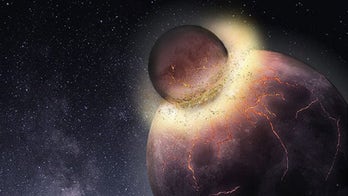
January 24, 2019 Life on Earth may have come from a collision with ancient planet more than 4 billion years ago A new study suggests that the building blocks for life on Earth came from a galactic collision with another Mars-sized object more than 4 billion years ago.
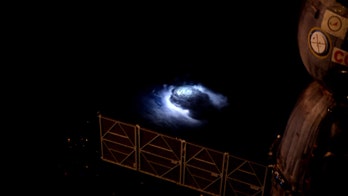
August 15, 2018 Plasma scientists created invisible, whooping 'whistlers' in a lab There's a sort of radio wave that bangs its way around Earth, knocking around electrons in the plasma fields of loose ions surrounding our planet and sending strange tones to radio detectors. It's called a "whistler." And now, scientists have observed bursts like this in more detail than ever before.
July 25, 2018 What in the whirled? Tiny, floating dumbbell rotates 60 billion times per minute Spinning objects are hypnotic and fascinating, as last year's fidget-spinner craze overwhelmingly demonstrated.
March 20, 2018 11 bizarre sources for alternative energy Here are 11 of the more unusual sources that go above and beyond the norm. Who knows. One day, you may use sugar to power your laptop, bacteria to run your car or dead bodies to heat a building.
March 20, 2018 9 accidental inventions Thankfully, not all science experiments go according to plan. Some of the world's best inventions were created by accident.
March 20, 2018 Breaking Bad: The science behind 5 grisly moments This weekend was the series finale of AMC's massively popular crime drama Breaking Bad, concerning the tragic fall of high school science teacher tuned meth kingpin Walter White (Bryan Cranston). Here is a look at the science behind some of the show's most grisly moments.
March 20, 2018 Famous Coca-Cola myths Fact or fiction? These Coke rumors may be famous, but they’re not necessarily true.
March 20, 2018 9 crazy ways to get your caffeine fix While a double-shot of espresso might be just the thing to snap us out of our midday lulls (and post-lunch food comas), the world seems to have other plans. Since before the new millenium, caffeine-laced food and drink products have been on the rise, most notably with energy drinks targeted toward hyperactive teenagers everywhere. Now, the energy drink industry is expected to be worth $21.5 billion by 2017, jumping from $12.5 billion in 2012. The caffeine influx doesn't stop there; the stimulant has infiltrated all sorts of products, from candy to gum to alcohol. But let's not get too crazy, guys; the Mayo Clinic says that 200 to 300 milligrams of caffeine a day isn't harmful for most adults, but more than 500 milligrams can cause some complications. So to help you figure out just how to replace a daily cup of coffee, we've rounded up nine crazy ways to get your caffeine fix, comparing them to a standard cup of coffee (85 milligrams) so you can get your fill of candy or hot sauce with a little jolt to power through.
March 20, 2018 7 facts you didn't know about coffee production If you haven't been keeping up with NPR's Coffee Week lineup of stories, you're missing out on a whole bunch of new insight into the cup of coffee you drink every day. NPR's Coffee Week coverage is dripping with news and facts about the culture of coffee, from the journey of coffee production from fruit to cup to the threats facing coffee plant genes, and more. It's not often that we think exactly about how our coffee ends up in our cup, and it's a long, lengthy journey. As writer Dan Charles explains, the coffee exports from the "coffee belt" of the world help prop up many of the tropical countries, where exports of green coffee beans add up to $15 billion per year. And considering that one Arabica coffee tree produces only 1 to 1.5 pounds per year, it takes a lot of care to keep up with the demands of coffee drinkers (in Nordic countries, it can reach up to eight cups of coffee per day). And the complexities of the coffee bean — and the leaf rust that's threatening to wipe out coffee farms worldwide — make coffee as interesting of a crop as any other. And more importantly, as writer Allison Aubrey notes, is how third-wave coffee production is not just giving drinkers a better-tasting cup of coffee; it's allowing farmers to reinvest in their farms and provide better working conditions for those producing the coffee. From sorting and drying the beans to just getting the beans to a port to be shipped to the U.S. and other countries, the process of coffee is labor-intensive. Aubrey puts it best: "So, next time you sip on a latte, remember: It's not just the face of the barista behind those coffee beans." We asked Charles and Aubrey to share with The Daily Meal the most surprising facts they discovered about coffee production; you can click ahead to find out more eye-opening tidbits about your coffee. Let's just say, you'll appreciate your morning caffeine jolt that much more.
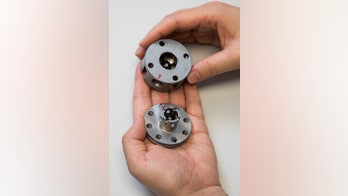
February 23, 2018 Stanford’s ‘diamond anvil’ technology could be a game-changer for chemistry Stanford's molecular diamond anvil could be used to create custom molecules through the triggering of unique chemical reactions. And all by simply giving them a good, high-pressured squeeze!