Surgeons remove 21-inch hairball from girl's stomach An 11-year-old in Kazakhstan is on the mend after surgeons removed a hairball that filled her stomach and extended more than 13 inches from the organ.
Drunk Russian man declared 'dead' wakes up in morgue A Russian man gave new meaning to the term “dead drunk” — getting so loaded that he was actually declared dead and brought to the morgue.
Bullying during teen years linked to health problems for adults Bullying during adolescence may be tied to health problems that follow teens into adulthood, a Canadian study suggests.
4 steps to better relationships in the new year It’s the traditional time to think about making our lives healthier and happier.
Allergies may boost chances of anxiety or depression symptoms Kids who have allergies at an early age are more likely than others to also have problems with anxiety and depression, according to a new study.
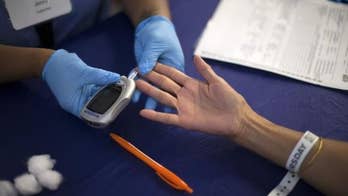
Type 2 diabetes increases dementia risk People with type 2 diabetes are at higher risk for dementia in general.
Want happiness that lasts? Buy stuff There really is something to retail therapy: A new study in Social Psychological and Personality Science finds material purchases bring a person longer-lasting happiness than experiential purchases, like concert tickets or a trip to the zoo.
Robert Spitzer, 'most influential psychiatrist,' dies at 83 Dr. Robert Spitzer — a psychiatrist who played a leading role in establishing agreed-upon standards to describe mental disorders and eliminating homosexuality's designation as a pathology — died Friday in Seattle.
Hazing still common in collegiate and youth sports There is greater awareness of the dangers of hazing, but hazing itself is still common in U.S. youth and collegiate sports, and many involved may not recognize hazing actions when they see them, according to a research review.
Unhappiness may lead to bad choices, but it probably won't kill you Even though poor health is a known cause of unhappiness, and bad lifestyle choices often follow bad moods, misery alone probably won't kill you, a U.K. study suggests.