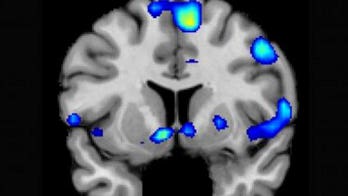
Spiritual mind: What a religious experience looks like in the brain People who have had "a religious experience" often report feelings of joy, peace and warmth, and new research has found that during these experiences, certain reward centers in the brain are activated.
Student who died at frat house accidentally overdosed on opioids after drinking 'poppy tea' After the death of a Virginia college student in February, police have now confirmed the cause of death was an accidental opioid overdose.
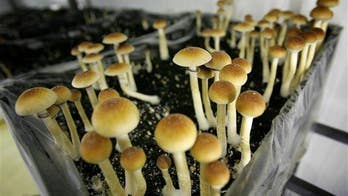
'Magic mushroom' psychedelic may ease anxiety, depression The psychedelic drug in "magic mushrooms" can quickly and effectively help treat anxiety and depression in cancer patients, an effect that may last for months, two small studies show.
Laughter is the best medicine to gauge social ties Humans are a profoundly nosy, voyeuristic species, forever trying to figure out the social goings-on around us.
Booze increases risk of skin cancer, study claims Drinking just a glass of white wine each day raises the risk of deadliest form of skin cancer, a study reveals.
Telemedicine may work as well as in-person visits for depression - Treating depression with video conference calls may offer symptom improvement similar to in-person visits, a recent U.S. study suggests.
Most patients with depression get poor care, or none at all, study finds The vast majority of the estimated 350 million people worldwide suffering from depression are not receiving even minimally adequate treatment, according to an international study backed by the World Health Organization.
Dana Perino: My conversation with David Sharpe, founder of Companions for Heroes I chose to donate a portion of the proceeds from my new book to this organization because I wanted to help those brothers and sisters who have served our country and who are suffering with mental illness while at the same time help to save a shelter dog or cat.
K9 units are being harmed by a powerful, dangerous drug Police officers conducting drug raids with their K9 units are now dealing with what the DEA has called an "unprecedented threat": fentanyl, the same powerful opioid that killed Prince earlier this year.