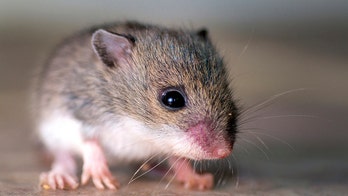
October 27, 2015 Scientists researching brain disorders create super-clever mice Scientists have genetically modified mice to be super-intelligent and found they are also less anxious, a discovery that may help the search for treatments for disorders such as Alzheimer's, schizophrenia and post traumatic stress disorder (PTSD).
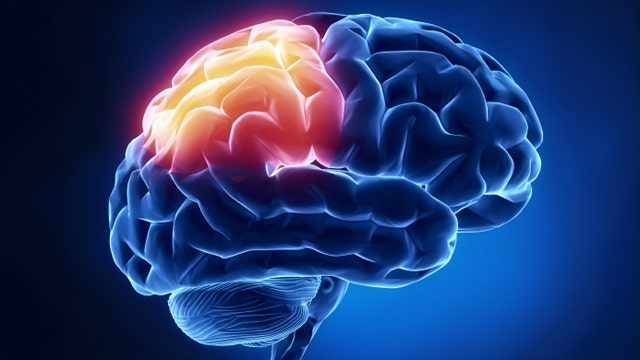
October 27, 2015 Long-term shift work linked to decreased brain function, memory loss Working abnormal hours in the long-term may lead to memory loss and slower, irreversible brain processing speed, suggests a new study published in British Medical Journal.
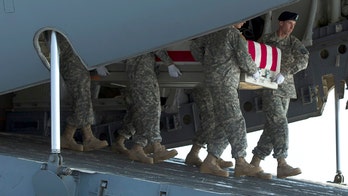
October 27, 2015 Suicide risk factors for US Army soldiers identified A new study identifies distinct profiles for U.S. army officers and enlisted soldiers at highest risk of attempting suicide.
October 27, 2015 Antipsychotic use rising among teens and young adults A growing number of teens and young adults are being prescribed antipsychotics, a new study suggests.
October 26, 2015 Major study of bereaved military families underway With his wife and child close at hand, Army Maj. Chad Wriglesworth battled skin cancer for more than a year before dying at age 37.
October 26, 2015 Kids' night terrors linked to delusions later in life Children who suffer from frequent night terrors and nightmares are more likely to experience hallucinations and delusions later on in life, new research suggests
October 26, 2015 Long-time stress in women linked to higher risk of Alzheimer’s Middle-aged women who are introverted and easily distressed may be more likely to develop dementia later in life, suggests a nearly 40-year-long study.
October 26, 2015 Fund helps heal the unseen wounds of war When it comes to the wounds of war, sometimes the most devastating injuries are the ones we can’t see. In fact, we lose one service member to suicide each day in the United States – and each day – it’s one too many. Dr. Manny finds out what the Intrepid Fallen Heroes Fund is doing to help our veterans and save lives
October 25, 2015 Saving our soldiers: New technology matches heroes suffering from psychiatric disorders with proper treatment It’s like Match.com for soldiers returning home from war. But instead of pairing them with a mate, new technology is helping doctors match heroes suffering from PTSD and traumatic brain injuries with the proper treatment
October 24, 2015 Finger length could point to schizophrenia risk for men The length of a man's index and ring fingers have recently been linked from everything to promiscuity and how nice he is to women.