July 12 Arizona resident dies of pneumonic plague, the first deadly case in area in nearly 20 years The first pneumonic plague death in Arizona's Coconino County in almost two decades highlights the rare but deadly respiratory disease transmitted mainly by infected fleas.
July 12 Popular back pain medication linked to brain health risks in some patients New research shows adults aged 35 to 64 prescribed gabapentin for chronic pain are twice as likely to develop dementia and three times more likely to develop mild cognitive impairment.
July 11 Noninvasive brain tech and AI moves robotic hand with thought Carnegie Mellon's noninvasive brain technology allows users to move robotic fingers by thinking about the motion, offering new possibilities for people with motor impairments.
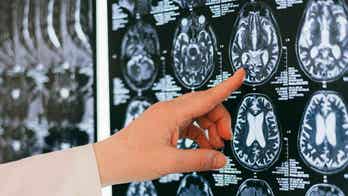
July 10 Bryan Kohberger, Luigi Mangione may share same rare neurological condition: What to know Visual snow syndrome, a condition causing static-like vision impairment, allegedly connects Idaho murderer Bryan Kohberger and UnitedHealthcare CEO murder suspect Luigi Mangione.
July 10 AI brain scan tool predicts how fast you are aging Scientists from Duke, Harvard, and the University of Otago have unveiled a game-changing tool called DunedinPACNI. It uses a single AI brain scan to reveal how fast a person is biologically aging.
July 10 Actress reveals how cancer test that saved her life led to surprising family discovery The breast cancer risk assessment test that detected Olivia Munn's aggressive Luminal B cancer has now identified breast cancer in her mother, demonstrating its life-saving potential.
July 8 Never smoked? You could still be at risk of developing lung cancer, doctors warn Medical experts report rising lung cancer diagnoses in non-smokers as smoking rates decline, raising questions about expanding screening guidelines beyond traditional high-risk groups.
July 7 Stanford scientists 'totally surprised' by potential Parkinson's treatment discovery New research shows that inhibiting overactive LRRK2 enzymes could stabilize Parkinson's disease progression, with Stanford scientists reporting improvement in neuron communication in mice.
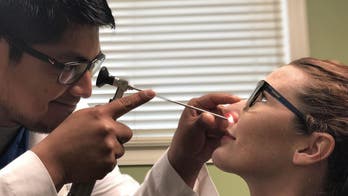
July 7 How micro-robots may soon treat your sinus infections Scientists have created micro-robots for sinus infection treatment that can enter the nasal cavity, eliminate bacteria directly at the source, and exit without harming surrounding tissue.
July 5 How sensationalized headlines about 'brain plastic' are undermining trust in safe, sustainable materials Microplastics research faces standardization challenges as viral headlines about "plastic in your brain" overshadow scientific nuance, while FDA finds no evidence of health risks.