May 12, 2016 Brazil says Zika-linked microcephaly cases fall to 4,759 The number of confirmed and suspected cases of microcephaly in Brazil associated with the Zika virus was down to 4,759 in the week through May 7, the Health Ministry said Wednesday, hundreds less than more than 5,200 suspected in late March.
May 10, 2016 Youngest kids in class have higher risk of ADHD diagnosis Parents of children with birthdays right before the cutoff date for school enrollment often worry these kids will struggle academically and socially with being the youngest and smallest in class.
May 9, 2016 Artificially sweetened beverages in pregnancy tied to higher infant weight Women who drank artificially sweetened beverages like diet soda every day while pregnant were more likely a year later to have infants with a higher body mass index (BMI), according to a new study.
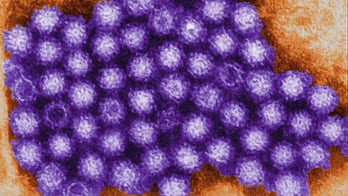
May 9, 2016 Passengers on cruise ship docked in Maine may have norovirus Federal health officials said passengers aboard the first cruise ship to dock in Portland, Maine, this season may have norovirus.
May 6, 2016 CDC defends reporting of E. coli outbreaks linked to Chipotle The U.S. Centers for Disease Control and Prevention has pushed back against complaints from Chipotle Mexican Grill that the health agency misinformed the public with its reporting of certain E. coli cases linked to the burrito chain.
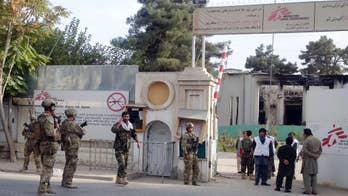
May 6, 2016 Doctors Without Borders pulls out of UN humanitarian summit PARIS (AP) -- The international medical aid agency Doctors Without Borders has pulled out of the first U.N. humanitarian summit, saying the meeting won't address the growing needs caused by war and violence across the world because of its non-binding nature.
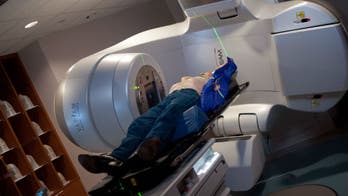
May 5, 2016 Lower odds of lung cancer surgery for blacks in segregated neighborhoods African American lung cancer patients who live in segregated, low-income neighborhoods are less likely than their peers in more affluent communities to get surgery that can add years to their lives, a U.S. study suggests.
May 5, 2016 Arsenic in New England well water tied to bladder cancer risk Low to moderate levels of arsenic in New England well water may be responsible for an increased risk of bladder cancer in that region, suggests a new study.
May 4, 2016 US-funded abstinence programs not working in Africa The U.S. funds abstinence and faithfulness education in sub-Saharan Africa to prevent HIV transmission, but a new study suggests the investment doesn't lead to less risky sexual behaviors in that area.