Identical twin brothers each receive heart transplants: 'Quite unique' Twin brothers Donald and Ronald Crigler of the St. Louis area have found a new lease on life together after each of them received heart transplants.
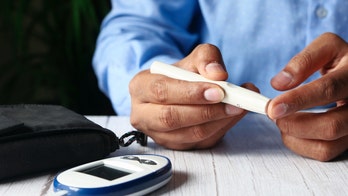
New research shows higher risk of developing diabetes after COVID-19 infection A large new study found that people who recovered from Covid-19 within the past year are 40% more likely to receive a new diagnosis of diabetes compared to those who weren't infected.
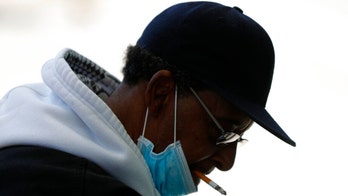
US adult cigarette smoking rate fell during first year of pandemic The first year of the COVID-19 pandemic saw more Americans drinking heavily or using illicit drugs — but apparently not smoking.
Sleeping with lights off and closed blinds may protect your health: study Turning off all lights and drawing the curtains before hitting the bed may help protect your health, according to a recent study out of Northwestern University
Stroke risk: What to know Stroke is the fifth cause of death in the U.S. and a leading cause of disability. Symptoms of stroke include face drooping, arm weakness and speech difficulty.
Strength training 30-60 minutes a week could be linked to longer life: study Spending 30 to 60 minutes on muscle-strengthening activities weekly could add years to a person's life, according to Japanese researchers.
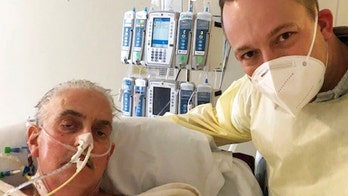
US man who got first pig heart transplant dies 2 months later The first person to receive a heart transplant from a pig has died, two months after the groundbreaking experiment, the Maryland hospital that performed the surgery announced Wednesday.
Bad ticker: Does daylight saving time cause 'biological clock shock' to your heart? Daylight Saving time may cause more than losing an hour of sleep; it may also have a negative impact on your heart and brain health, according to several studies.
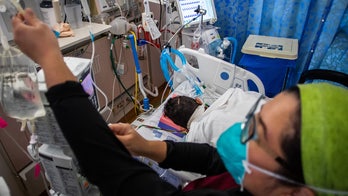
COVID infected patients at risk for 20 types of heart and vascular disease: Study Individuals infected with COVID-19 are at risk of having a cardiovascular disease related incident 30 days after having been infected by the virus
Aging faster in adulthood linked to health conditions in adolescence People who were obese, smoked daily or had a psychological disorder diagnosis during their adolescence years could age faster than their peers, according to researchers.