Transgender US veterans suffer more illness than peers, study finds Transgender U.S. military veterans are more prone to dozens of illnesses, from heart disease to depression and obesity, than are their nontransgender peers, a new study shows.
Fitbit being sued for faulty heart rate tracking Fitbit, the popular brand of fitness trackers, is facing a class-action lawsuit over faulty heart rate monitor results.
Cancer now No. 1 killer in 22 US states, ahead of heart disease Cancer is becoming the No. 1 killer in more and more states as deaths from heart disease have declined, new health statistics show.
Risk of heart damage follows some childhood cancer survivors Childhood cancer survivors may face an increased risk of heart damage after exposure to certain chemotherapy and radiation treatments, a U.S. analysis suggests.
Wearable device works to predict lactate threshold A wearable device appears to be just as good at measuring lactate thresholds for endurance runners as older, more complicated methods, according to a new study.
New clues why women get broken-heart syndrome Harmony Reynolds, a cardiologist at NYU Langone Medical Center, recently led a study that subjected 20 women to a host of tests designed to bring on physical and mental stress.
Men with heart disease don't know risks for erectile dysfunction Few men with heart disease know the condition is a leading cause of erectile dysfunction or understand all of the things they can do to make sexual difficulties less likely, a Polish study suggests.
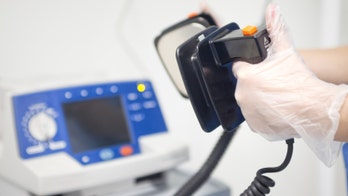
Should frail or demented patients have defibrillators implanted? Frailty and brain health should be taken into account when determining whether patients should have a defibrillator implanted in their chest, suggests a new study.
Preemies may have weaker muscles as young adults Young adults who were born prematurely may have weaker muscles than their peers born at full term, a Finnish study suggests.
US patients get higher radiation doses in some heart tests Compared to patients in other countries, the typical U.S. patient is more often exposed to excessive radiation during myocardial perfusion imaging, a new study suggests.