'The Biggest Loser' trainer shares top heart healthy exercises ‘The Biggest Loser’ trainer, Dolvett Quince, knows how to get anyone back in tip top shape. Now he’s challenging Americans to achieve better cardiovascular health with heart-pumping exercises and tips
Cocktail of Mountain Dew and racing fuel blamed in teens' deaths Two teen boys in rural Tennessee are dead after apparently drinking a blend of racing fuel and Mountain Dew last week—something others have since admitted to drinking as well.
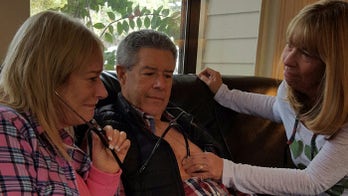
'String of miracles': Mom hears son's heart beat in man whose life he saved When Linda Meyer's 19-year old son Taylor died from a tragic accident at the end of 2014, she looked beyond her grief and saw a way to honor him and ensure that others lived.
Heart attack causes and symptoms are different in women The causes of heart attacks and the warning symptoms that can signal the need for immediate medical attention are different in women than in men, according to a scientific statement issued today by the American Heart Association.
With genetic testing results, more may be better When people undergo genetic testing to find out whether they're at risk for a specific disease, doctors often wonder how much information to give them.
Kids who pass out should be positioned on their side, doctors say Passed-out children who are positioned on their side have lower odds of needing to stay in the hospital, according to a new study from Europe.
More evidence HIV/AIDS fight requires multiple approaches A currently available pill could significantly curb new HIV infections among gay and bisexual men in the UK, if prevention and treatment programs are also expanded, researchers say.
E-cigarettes tied to reduced odds of quitting smoking People who use electronic cigarettes, or e-cigarettes, are less likely to quit traditional cigarettes than people who don't use the devices, suggests a fresh look at some past research.
Rapid early weight gain tied to higher childhood blood pressure Infants and preschoolers who gain weight rapidly may have higher-than-average high blood pressure later in childhood, a U.S. study suggests.