Heart benefits of good diabetes control may last for decades Six-and-a-half years of intensive diabetes control may protect against heart attack and stroke for the next 30 years, according to long-term results from a U.S. trial that began in the 1980s.
What stair-climbing speed may say about surgery outcomes Checking how fast people can climb stairs before surgery might help predict their odds of complications after certain procedures, a recent study suggests.
Instructional CPR kiosks make debut at major airports Airport travelers now have another way to pass the time during layovers and delays thanks to an interactive training kiosk offering lessons in lifesaving CPR skills.
Judge upholds NYC rule on restaurant salt warnings A New York judge on Wednesday shot down a challenge by a restaurant trade group and upheld a city rule requiring many chain eateries to post warnings on menu items that are high in sodium.
Alzheimer's, stroke and heart disease death rates rise slightly The rates of death from a number of maladies, including heart disease, stroke and Alzheimer's, were higher in 2015 than in 2014, a new report finds.
Anxiety may influence a woman's heart during exercise In women, blood flow to the heart during exercise testing may be influenced by anxiety, while the same does not appear to be true for men, according to results reported in the annual women's themed issue of Circulation: Cardiovascular Quality and Outcomes.
Young women less likely to return to work after heart attacks Young women are less likely than men to have returned to work a year after a heart attack, mostly due to social and economic factors, suggests new research.
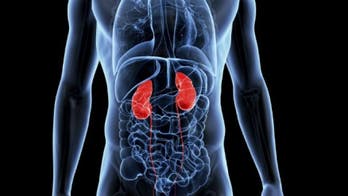
Sleep apnea may be bad for kidneys Having sleep apnea may increase the risk of chronic kidney disease, according to a report from Taiwan.
The hidden costs of heart disease, plus 5 ways to reduce your risk Each year, Americans suffer about 1.5 million heart attacks and strokes, often caused by unnoticed heart conditions.