Wear a mouthguard, spare a tooth The best way to avoid athletic dental injuries is to wear a properly fitted mouthguard, according to the National Athletic Trainers' Association (NATA).
1 in 8 airline pilots may be clinically depressed Hundreds of commercial airline pilots worldwide may be flying with untreated depression because they fear being grounded or losing their jobs, a new survey suggests.
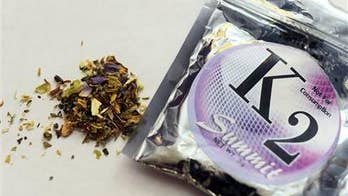
New York 'zombie' outbreak shows value of predicting future designer drugs Researchers in California say they have found a faster method for identifying designer drugs similar to one that caused a "zombie" outbreak on a Brooklyn, New York block this summer.
Marital status, history linked to survival after stroke A person's current marital status and past marital losses may be related to their survival odds after a stroke, a new study suggests.
Women denied abortions face higher risk for mental health problems Women who are denied abortions have a higher risk for mental health problems soon afterward compared to women who are allowed to go through with the process, a new study suggests.
Can you have high blood pressure with a normal reading? Health experts often assume that blood pressure measured in a medical office or hospital may be higher than usual, thanks to the anxiety brought on from being in a doctor's office (a phenomenon known as white-coat hypertension).
The 5 biggest food recalls of 2016 Voluntary food recalls are a shockingly common occurrence within the American food system.
Costs vary for moisturizers used to ease eczema in babies Without good information on how well different nonprescription skin creams work for infant eczema, parents may want to try petroleum jelly first because it tends to be cheapest, a recent study suggests.
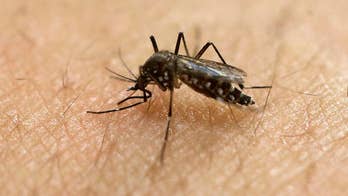
Birth defects seen in 6 percent of Zika pregnancies, US study finds Roughly six percent of women in the United States who were infected with the Zika virus during pregnancy had fetuses or babies with birth defects, U.S. researchers reported on Wednesday.
Health agencies say Miami Beach no longer Zika transmission zone The U.S. Centers for Disease Control and Prevention and the Florida Department of Health said on Friday that the Miami Beach area was no longer considered an active Zika transmission zone.