February 22, 2017 Life expectancy study shows many likely to live beyond 90 by 2030 Average life expectancy will rise in many countries by 2030, breaking through 90 years in some places, and policymakers need to make more efforts to plan for it, according to a large international study.
February 20, 2017 'Fasting-mimicking' diet said to reduce risk factors for aging Following a diet that mimics fasting may reduce risk factors for disease in generally healthy people, according to a small study.
February 17, 2017 More US seniors taking multiple mind-altering drugs The number of older adults taking at least three prescriptions for psychotropic drugs - which includes opioids, antidepressants, antipsychotics and tranquilizers - has roughly doubled over the past decade, a recent U.S. study suggests.
February 16, 2017 Weak thigh muscles tied to knee osteoarthritis in women Women with weaker thigh muscles may be more likely to develop knee osteoarthritis, a recent study suggests.
February 16, 2017 Wide variation in willingness of ER doctors to prescribe painkillers A national comparison of emergency room physicians has uncovered a broad range of prescribing patterns for painkillers, and high-volume prescribers may be encouraging long-term use of the drugs among their elderly patients.
February 14, 2017 Sleep tied to sexual activity and satisfaction among older women Older women who sleep well at night are more likely to have satisfying sex lives, a recent study suggests.
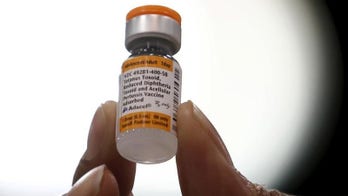
February 8, 2017 Adults urged to get vaccinated Too many U.S. adults are not getting vaccinated, putting themselves and others at risk, immunization experts say.
February 1, 2017 Brain games linked to delayed cognitive decline in elderly Older people who engage in mentally stimulating activities later in life may have a lower risk of developing mild cognitive impairment than their peers who don't challenge their minds, a study suggests.
January 30, 2017 Elderly face increased disability risk after emergency room visit Elderly patients who get treated for illnesses or injuries in the emergency department (ED) are at risk of increased disability for up to six months afterward, a recent study suggests.