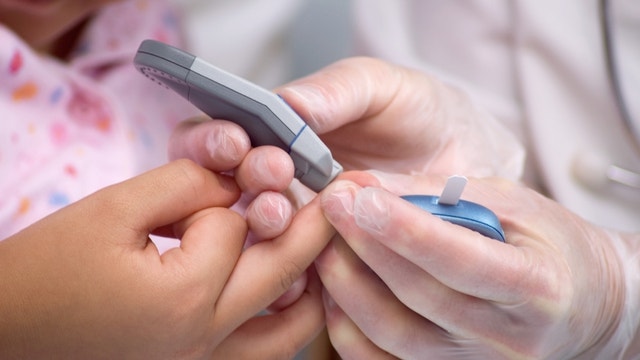
January 11, 2016 Converting skin cells to pancreatic cells may help protect against diabetes In a step forward for diabetes treatment, scientists successfully converted human skin cells into pancreatic cells that created insulin and protected mice from developing diabetes.
January 11, 2016 Exercise prescriptions important for Type 2 diabetes Patients with Type 2 diabetes should be given exercise "prescriptions" that specify the type, duration, intensity and frequency of workouts, adapted to the individual, according to a new review.
January 7, 2016 Reducing sugary drinks cuts calories, but only a few, studies find Studies from Britain and Mexico suggest reducing sugar in sweetened drinks or taxing it more to cut consumption can help people limit their calorie intake and lower their risk of developing diabetes, but not by much.
January 6, 2016 Study links sugar to cancer: How to reduce your risk A new study from the University of Texas MD Anderson Cancer Center reveals diets that are high in sugar are a major risk factor for certain types of cancers, especially breast cancer.
January 4, 2016 Men with heart disease don't know risks for erectile dysfunction Few men with heart disease know the condition is a leading cause of erectile dysfunction or understand all of the things they can do to make sexual difficulties less likely, a Polish study suggests.
January 4, 2016 3 cravings that are a sign of a health problem We've all been there: That moment when you just need to have a burger (or a milkshake, or a bag of potato chips) and nothing else on earth will do.
December 30, 2015 Should frail or demented patients have defibrillators implanted? Frailty and brain health should be taken into account when determining whether patients should have a defibrillator implanted in their chest, suggests a new study.
December 29, 2015 Slightly elevated blood sugar linked to kidney damage risk People whose blood sugar levels are in the borderline range - higher than normal, but not yet diabetic - might still have an increased risk of kidney problems, a Norwegian study suggests.
December 29, 2015 Type 2 diabetes increases dementia risk People with type 2 diabetes are at higher risk for dementia in general.