Mammograms do not reduce breast cancer deaths, study finds Yearly mammograms in middle-age women do not reduce breast cancer deaths — these tests are essentially as good as physical examination alone, according to a new 25-year study from Canada.
New pancreatic cancer therapy labeled 'breakthrough' by FDA A new, immune system-boosting therapy for pancreatic cancer was deemed a "breakthrough therapy" by government regulators meaning the drug could start extending the lives of patients within a few months
Nutrition education may prevent breast cancer recurrence New research has found that nutrition education focused on reducing red meat consumption and increasing fruit and vegetable consumption may reduce the recurrence of breast cancer.
What you need to know about new PSA screening guidelines Recently, the American Urological Association (AUA) announced new guidelines for prostate specific antigen (PSA) testing. Here is what you need to know
19-year-old girl wakes up during brain surgery, asks doctors ‘How’s it going?’ A teenage girl in Poland woke up during brain surgery and asked her doctors how the operation was going, The Daily Mirror reported.
Prenatal testing may detect early-stage maternal cancer, study says A blood test used to screen for chromosomal abnormalities in a developing fetus may also detect early-stage maternal cancers, Medical News Today reported.
Thin melanomas cause greater number of deaths More people are dying from melanomas thinner than a dime than from the thicker cancerous skin lesions long thought to be more dangerous, according to a new study from Queensland, Australia.
Smoking linked with increased risk of common type of breast cancer Young women who smoke may have an increased risk of a common type of breast cancer, according to a new study.
Is 'new car smell' toxic? When buying a new car, many people look forward to having that ‘new car smell.’ But a study says inhaling that scent could actually fill your body with toxic fumes
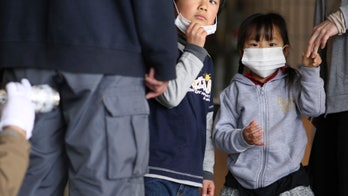
Researcher: Children's cancer linked to Fukushima radiation A new study says children living near the Fukushima nuclear meltdowns have been diagnosed with thyroid cancer at a rate 20 to 50 times that of children elsewhere, a difference the authors contend undermines the government's position that more cases have been discovered in the area only because of stringent monitoring.