Cancer risk above 50 percent for Brits born in 1960 More than half of people born after 1960 in the U.K. may be diagnosed with some form of cancer in their lifetimes, a new estimate suggests.
Tanning beds must carry skin cancer warning, FDA says The U.S. Food and Drug Administration is strengthening its regulation of tanning beds, which have been shown to increase the risk of skin cancer.
Testicular cancer rates increasing among young Hispanic men Testicular cancer rates are increasing more than three percent per year among young Hispanic men, at a time when rates among non-Hispanic white men are remaining steady, according to a new study.
Hormone loss may be involved in colon cancer, study says Gene replacement therapy could hold promise in treating colon cancer, reveals a study published Friday in the journal Cancer, Epidemiology, Biomarkers & Prevention.
Geography may limit access to cancer clinical trials Where advanced cancer patients live affects the likelihood that they can enroll in a treatment clinical trial, a new study found.
Fears over Roundup herbicide residues prompt private testing U.S. consumer groups, scientists and food companies are testing substances ranging from breakfast cereal to breast milk for residues of the world's most widely used herbicide on rising concerns over its possible links to disease.
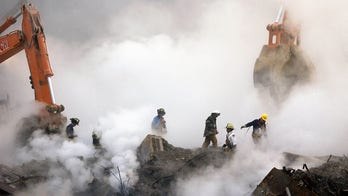
Cancer rate for Ground Zero cops 50 percent higher than pre-9/11 NYPD cops who worked at Ground Zero after 9/11 had 50 percent more cancer diagnoses than officers did in the years before the terror attacks, a long-awaited study has found.
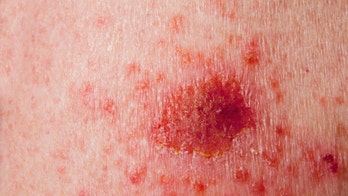
Melanoma risk may be higher after organ transplant People who receive organ transplants may have an increased risk of developing the deadly skin cancer melanoma, according to a new study.
New tool will compare costs and benefits of cancer treatments As options for cancer patients become increasingly complicated, and expensive, the most influential source for U.S. oncology treatment guidelines will for the first time offer a tool to assess the costs versus benefits of available therapies.
Cancer surge in China prompts rise of special patient hotels Li Xiaohe has set herself up for the long haul in a cramped but sunny room in western Beijing, about a block from China's most renowned cancer hospital.