






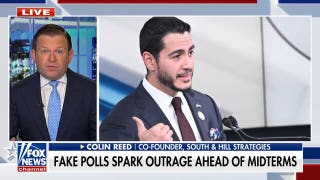




Trump labels Maduro regime a foreign terrorist organization
Fox News senior correspondent Rich Edson joins ‘Fox & Friends’ with details on President Donald Trump’s upcoming national address and his move to designate Nicolas Maduro's regime as a foreign terrorist organization.
The Trump administration has moved its hemispheric security doctrine into full force in Venezuela, ordering a sweeping naval blockade on sanctioned oil tankers and labeling Nicolás Maduro’s government a Foreign Terrorist Organization — a dramatic escalation aimed at choking off the regime’s primary source of revenue and confronting what the White House calls a growing threat of cartel-driven "drug terrorism" and foreign influence in the region.
Announcing the move on social media, Trump said Venezuela was now "completely surrounded by the largest Armada ever assembled in the history of South America," a strike at an oil sector that accounts for roughly 88% of the country’s export earnings.
The administration’s new National Security Strategy (NSS) places the Western Hemisphere at the center of U.S. national security planning, elevating regional instability, mass migration, cartels and foreign influence as direct challenges to American security. While the document does not single out Venezuela by name, its framework positions crises like Venezuela’s collapse as central to protecting what the strategy calls America’s "immediate security perimeter."
MADURO’S FORCES FACE RENEWED SCRUTINY AS US TENSIONS RISE: ‘A FORTRESS BUILT ON SAND’
According to the NSS, U.S. policy toward the hemisphere now focuses on preventing large-scale migration, countering "narco-terrorists, cartels, and other transnational criminal organizations," and ensuring the region remains "reasonably stable and well-governed enough to prevent and discourage mass migration." It also pledges to assert a "Trump Corollary" to the Monroe Doctrine, aimed at blocking "hostile foreign incursion or ownership of key assets" by strategic competitors.
A senior White House official said the Western Hemisphere chapter is designed to "reassert American preeminence in the Western Hemisphere" by strengthening regional security partnerships, curbing drug flows and preventing pressures that fuel mass migration. The official said the strategy situates the hemisphere as a foundational element of U.S. defense and prosperity.
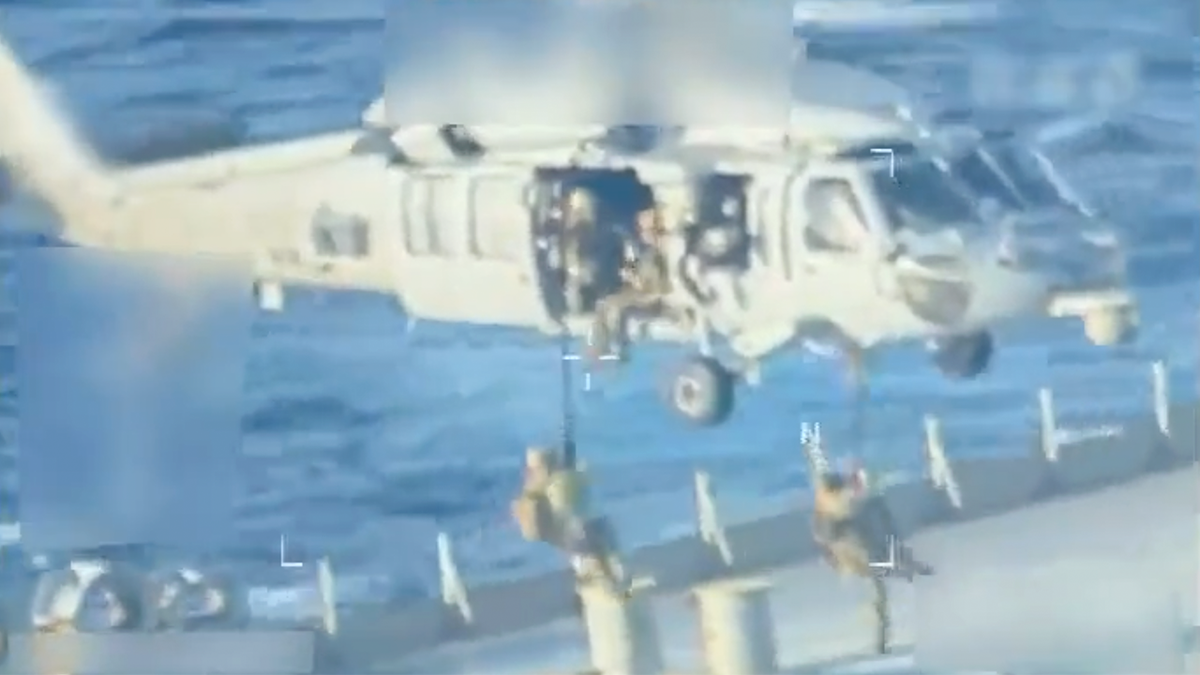
Newly released footage shows U.S. forces securing a Venezuelan oil tanker. (@AGPamBondi via X)
White House spokesperson Anna Kelly said the NSS reflects what the administration sees as a historic realignment of U.S. foreign policy. "President Trump’s National Security Strategy builds upon the historic achievements of his first year back in office, which has seen his Administration move with historic speed to restore American strength at home and abroad and bring peace to the world," Kelly told Fox News Digital.
"In less than a year, President Trump has ended eight wars, persuaded Europe to take greater responsibility for its own defense, facilitated U.S.-made weapons sales to NATO allies, negotiated fairer trade deals, obliterated Iran’s nuclear facilities, and more." The strategy, she added, is designed to ensure "America remains the greatest and most successful nation in human history."
Melissa Ford Maldonado, director of the Western Hemisphere Initiative at the America First Policy Institute, said Venezuela illustrates why the hemisphere is now treated as America’s "first line of defense."
"The Maduro regime functions as a narco-dictatorship closely tied to criminal cartels, which are now considered foreign terror organizations, and supported by China, Iran and Russia," she said. "Confronting this criminal regime is about keeping poison off our streets and chaos off our shores."
MADURO’S FORCES FACE RENEWED SCRUTINY AS US TENSIONS RISE: ‘A FORTRESS BUILT ON SAND’
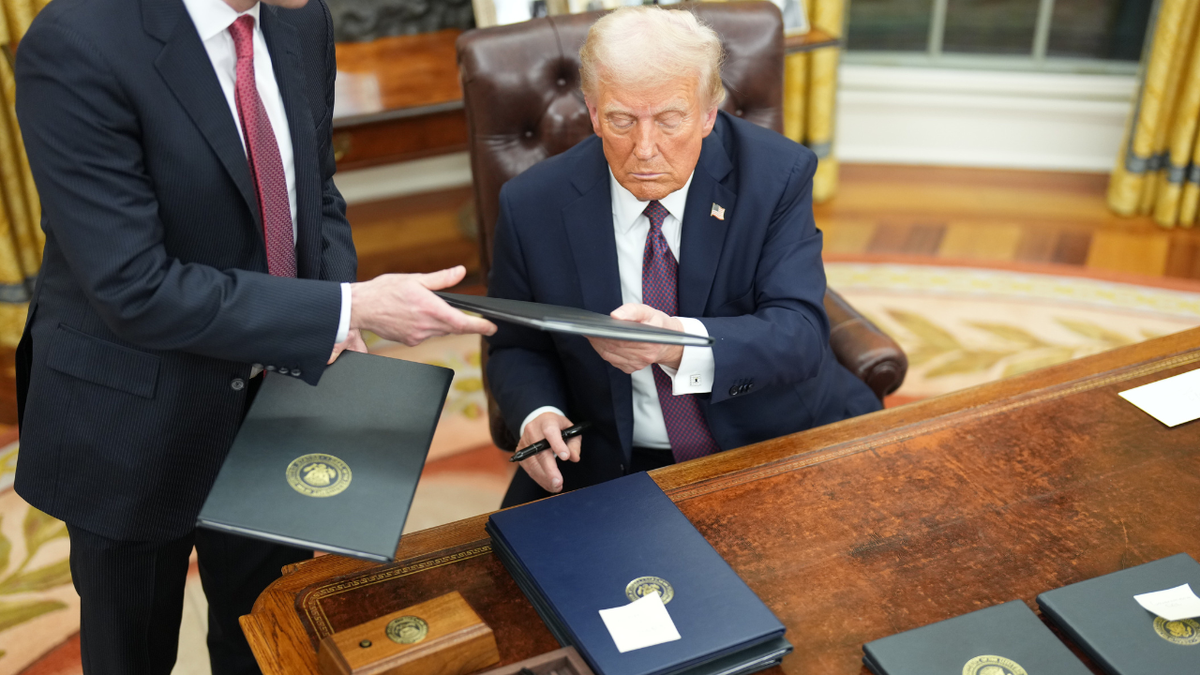
President Donald Trump signs a series of executive orders at the White House on Jan. 20, 2025, in Washington, D.C. Trump's new National Security Strategy puts the Western Hemisphere at the center of U.S. security planning, a senior official said. (Jabin Botsford /The Washington Post via Getty Images)
She called the NSS "the most radical and long-overdue change in U.S. foreign policy in a generation," arguing that instability in Latin America now reaches the United States "in real time" through migration surges, narcotics trafficking and foreign intelligence networks.
Some analysts caution that the strategy’s sharper posture could become destabilizing if pressure escalates into a confrontation.
Roxanna Vigil, a fellow at the Council on Foreign Relations, said the path ahead depends heavily on how forceful the administration’s approach becomes. "If it goes in the direction of escalation and conflict, that means there’s going to be very little control," she said. "If there is a power vacuum, who fills it?"
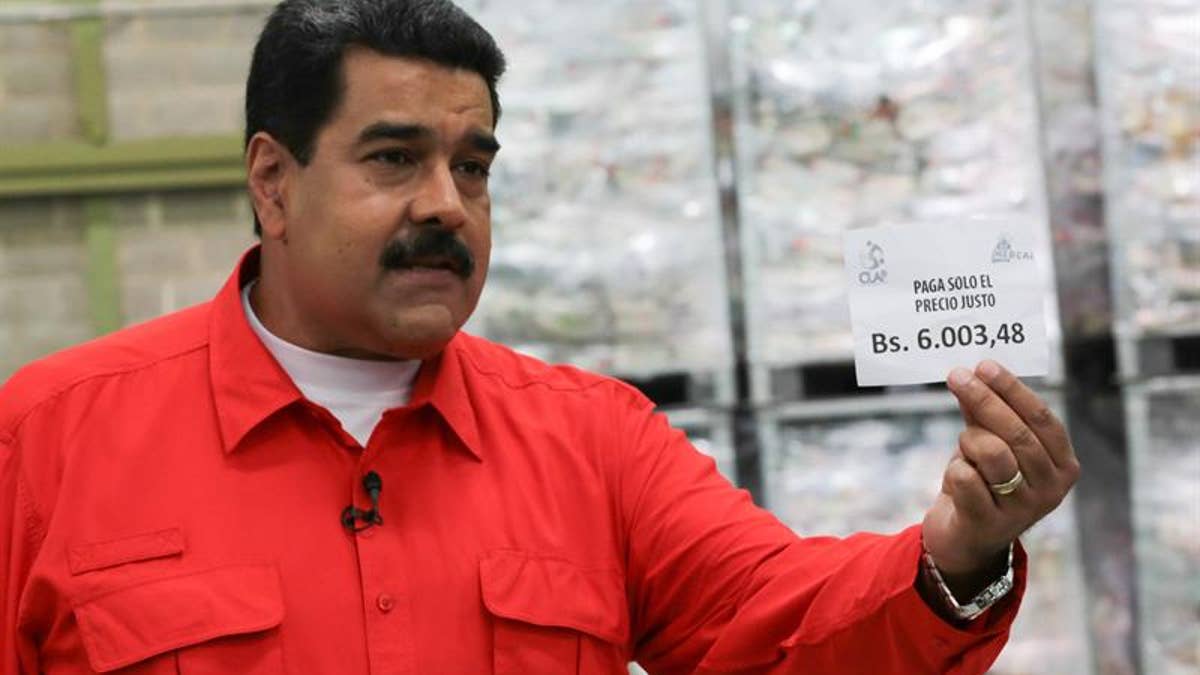
Venezuela's president, Nicolás Maduro. (AP)
Vigil warned that without a negotiated transition, a sudden collapse could produce outcomes "potentially worse than Maduro." She said armed groups, hardline regime actors and cartel-linked networks would all compete for power, with potential spillover effects across a region already strained by mass displacement.
Jason Marczak, vice president of the Atlantic Council’s Adrienne Arsht Latin America Center, said the NSS underscores why the administration views Maduro’s continued rule as incompatible with its regional priorities.
"All of those goals cannot be accomplished as long as Nicolás Maduro or anybody close to him remains in power," he said, pointing to the strategy’s focus on migration, regional security and countering foreign influence. "Venezuela is a conduit for foreign influence in the hemisphere."
US SET TO SEIZE TENS OF MILLIONS IN VENEZUELAN OIL AFTER TANKER INTERCEPTION, WHITE HOUSE SAYS
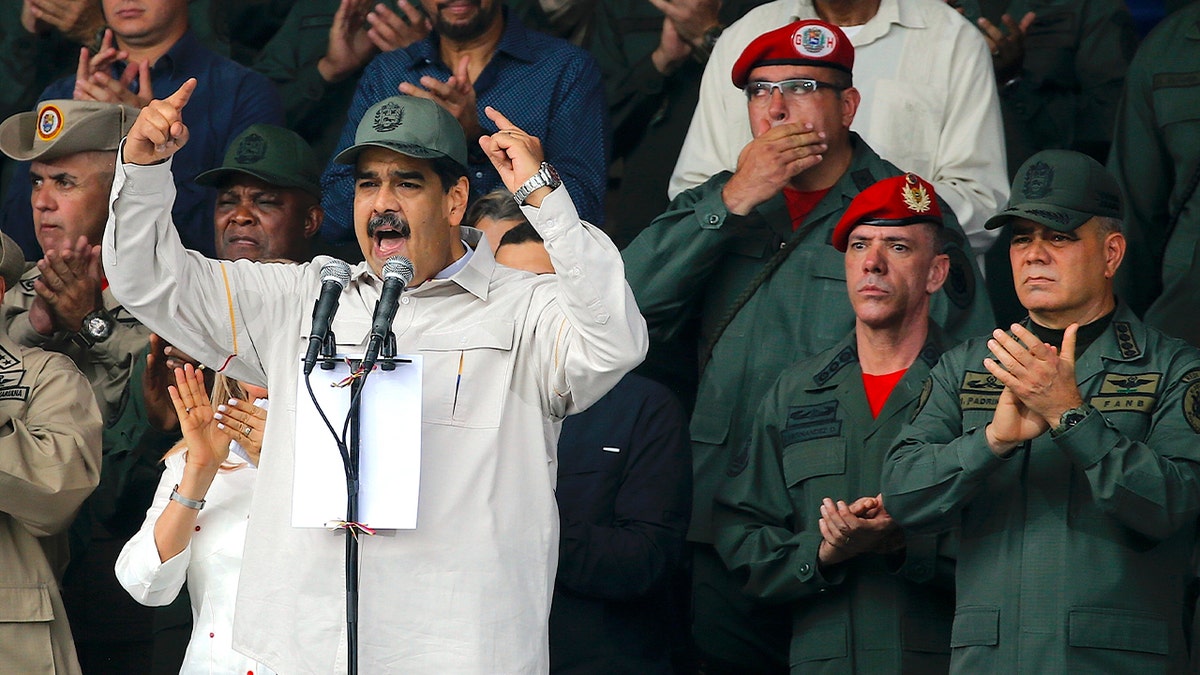
In this April 13, 2019 file photo, Venezuela's President Nicolas Maduro, speaks flanked by Defense Minister Vladimir Padrino Lopez, right, and Gen. Ivan Hernandez, second from right, head of both the presidential guard and military counterintelligence in Caracas, Venezuela. (Ariana Cubillos/AP Photo)
Marczak said Venezuelans "were ready for change" in the 2024 election, but warned that replacing Maduro with another insider "doesn’t really accomplish anything." He argued that only a democratic transition would allow Venezuela to re-enter global markets and stabilize the region.
Both Marczak and Vigil noted that the danger extends beyond Maduro to the criminal ecosystem and foreign partnerships that sustain his rule. Without a negotiated transition, Vigil said, the forces most likely to prevail are those already controlling territory: militias, cartel-linked groups and pro-Chavista power brokers.
Ford-Maldonado said that reality is precisely why the administration’s strategy elevates Venezuela’s crisis within its broader Western Hemisphere doctrine.
CLICK HERE TO DOWNLOAD THE FOX NEWS APP
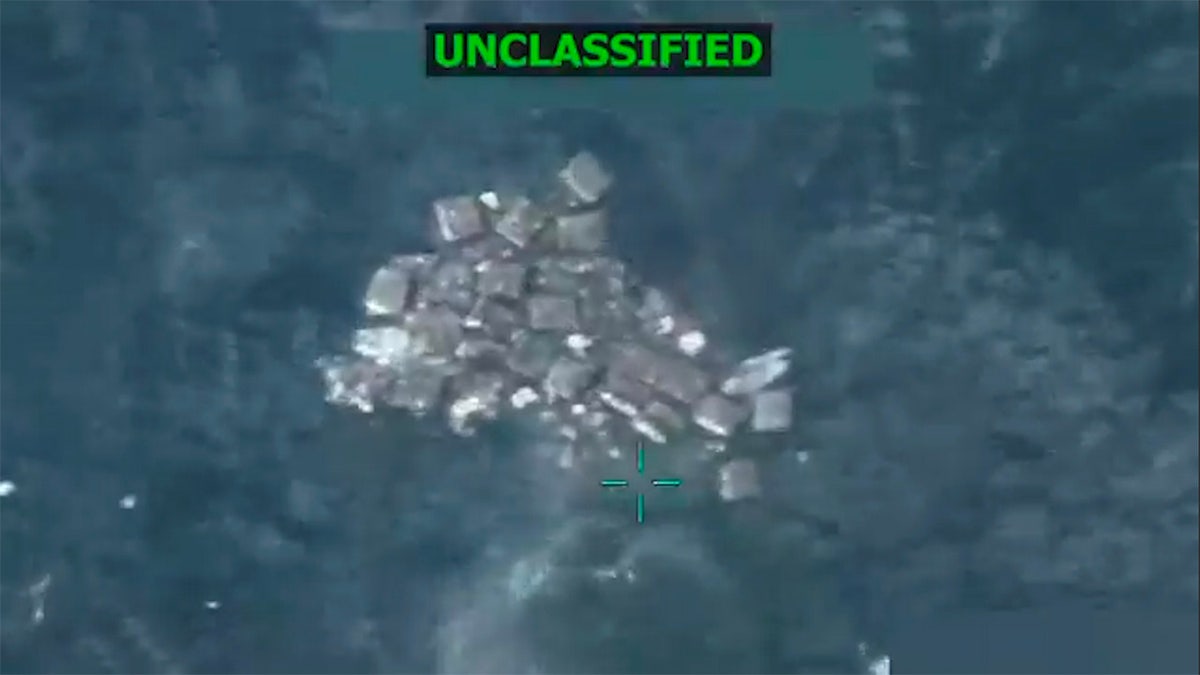
Military strikes on suspected narco-trafficking vessels have killed some 37 people since September. (Department of War)
"Confronting a narco-regime tied to foreign adversaries is not a distraction from America First — it’s the clearest expression of it," she said. "What’s ultimately being defended are American lives, American children, and American communities."
The administration’s adoption of a "Trump Corollary" to the Monroe Doctrine indicates a more assertive U.S. stance toward the hemisphere, framing Venezuela not only as a humanitarian or political crisis but as a critical test of the strategy’s core principles: migration control, counter-cartel operations and limiting foreign adversaries’ reach. Within this framework, experts say the consequences of inaction could create security risks that extend well beyond Venezuela’s borders.
