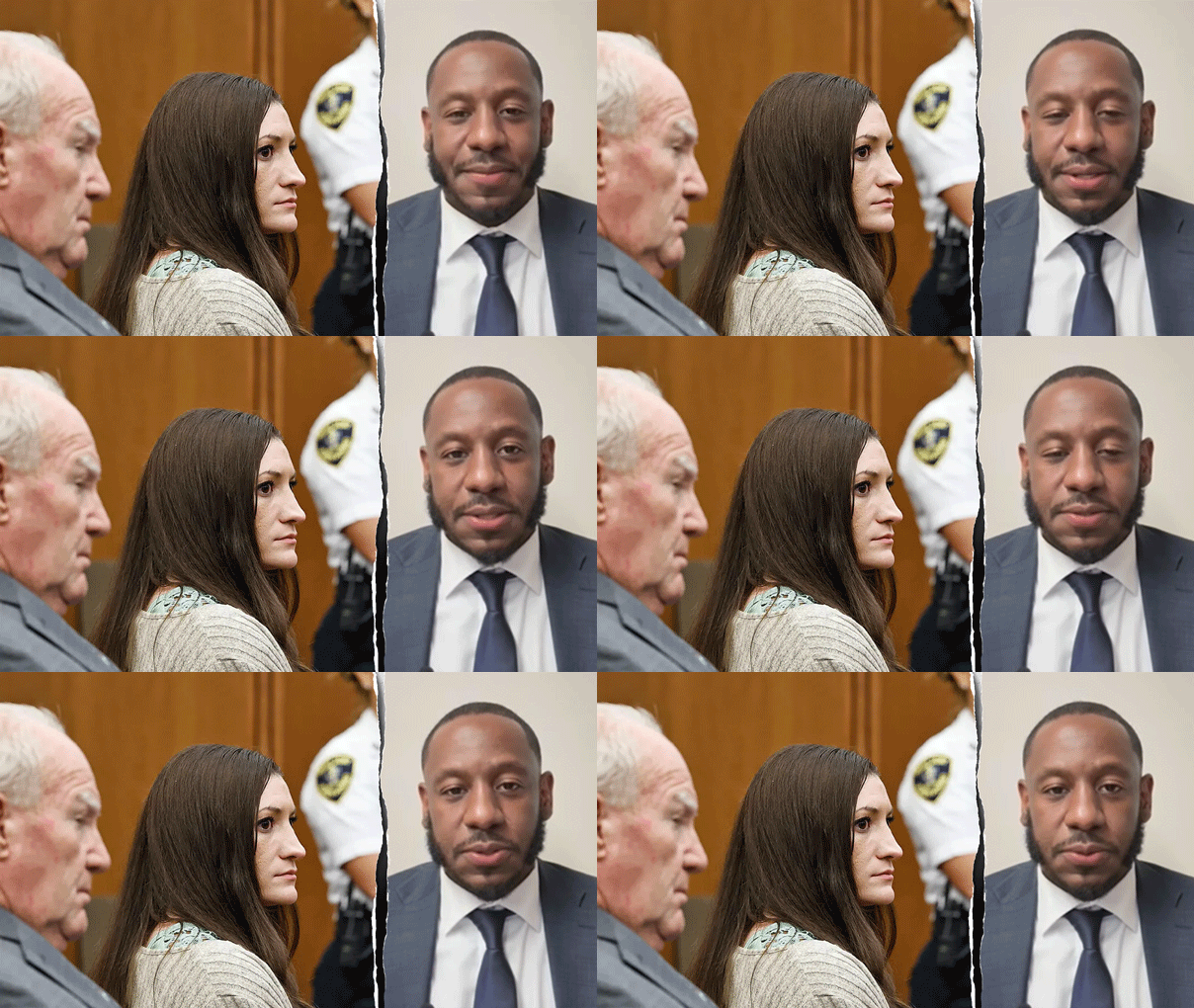


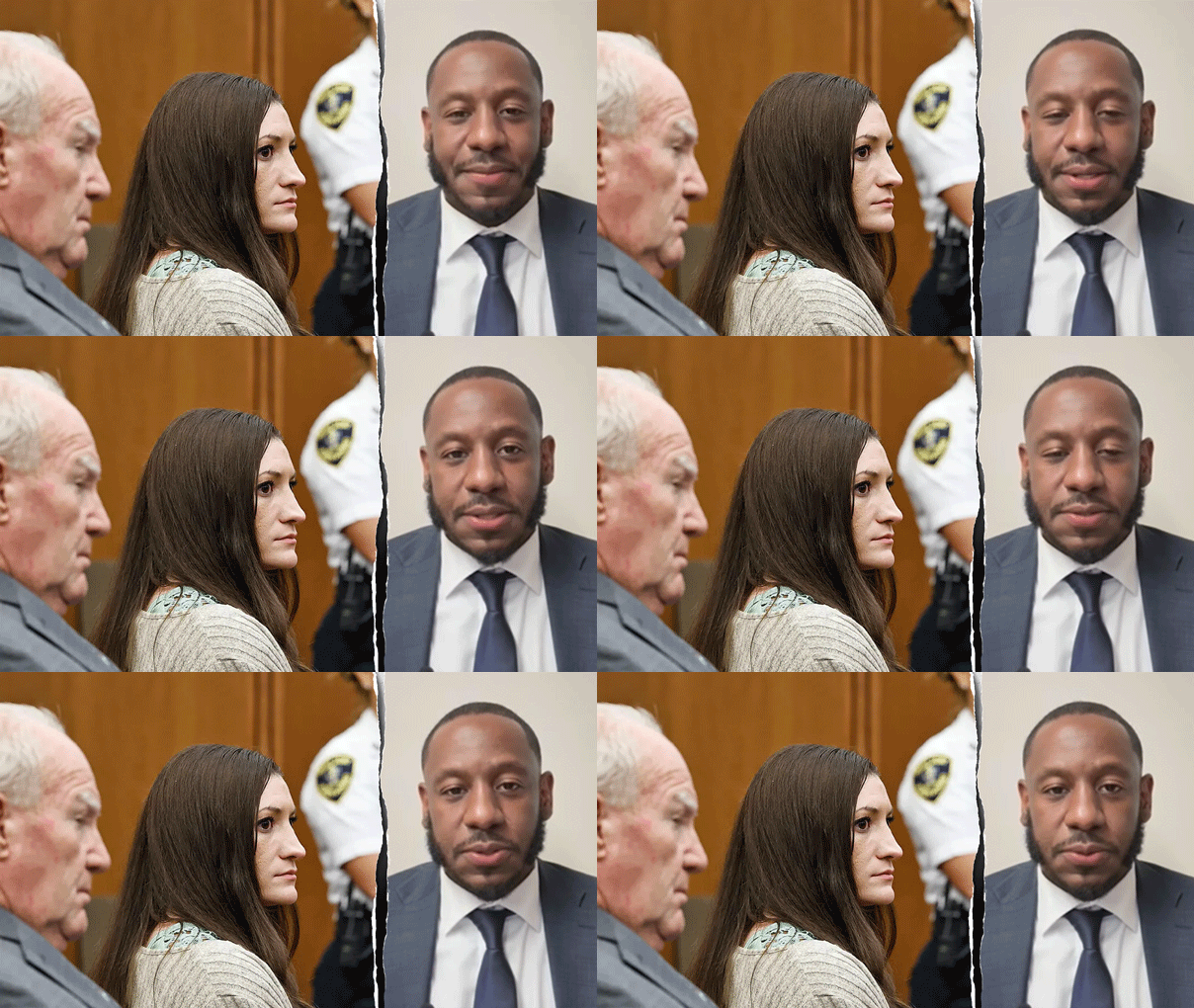
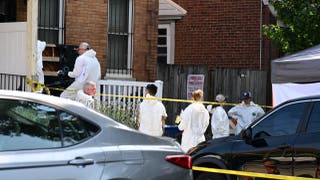
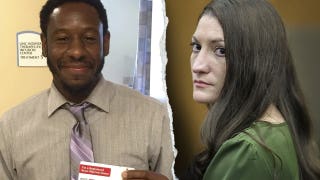


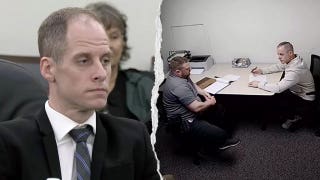












JACKSON, Miss. – Four convicted murderers pardoned by former Mississippi governor Haley Barbour will learn Monday if they will retain their freedom, as their pardons are challenged at a court hearing.
Barbour pardoned convicted killers David Gatlin, Joseph Ozment, Charles Hooker and Anthony McCray -- along with over 200 other convicted criminals -- earlier this month, just before he left office. Some 26 of the pardoned criminals were still behind bars.
Five of the jailed convicts, including the four murderers and convicted robber Nathan Kern, were freed before the mass pardon was blocked in response to a request for an injunction by the state's attorney general, who argued that the action may have been unconstitutional.
Attorney General Jim Hood said that Barbour -- who officially left office Jan. 10, when Phil Bryant was sworn in -- may have violated state law in 156 of the pardons by not publishing the requests 30 days before granting them.
Judge Tomie Green will decide whether the pardons were unconstitutional during a 3:00pm local time hearing at Hinds County Court in Jackson, Miss., WAPT reported.
The judge may decide to void the pardons and send the freed convicts back to jail or allow them to remain free.
Barbour said Sunday that the controversial pardons were misrepresented by his political opponents.
"Sure, we could have done it better because we had no idea that the reporting of it, in particular some of the misstatements by political opponents, would let the public think we were letting 200-some people out of the penitentiary," he told CBS's "Face the Nation" program.
Barbour added, "We let 26 out of the penitentiary ... half of them for health reasons. Most of them had been out for years and years and years. They're no more a threat to the people of Mississippi now than they were the week before they got their pardon."
Four of the five freed convicts will be in court for the hearing, but convicted murderer Ozment will not appear, as officials have been unable to track him down, according to WAPT.
The release of the four killers evoked emotional reactions from the victims' families and the public.
Hood called Barbour's decision an "absolute tragedy for the victims involved in each of these cases."
