












Iran deal could be 'deadly' for Israel, former Israeli ambassador argues
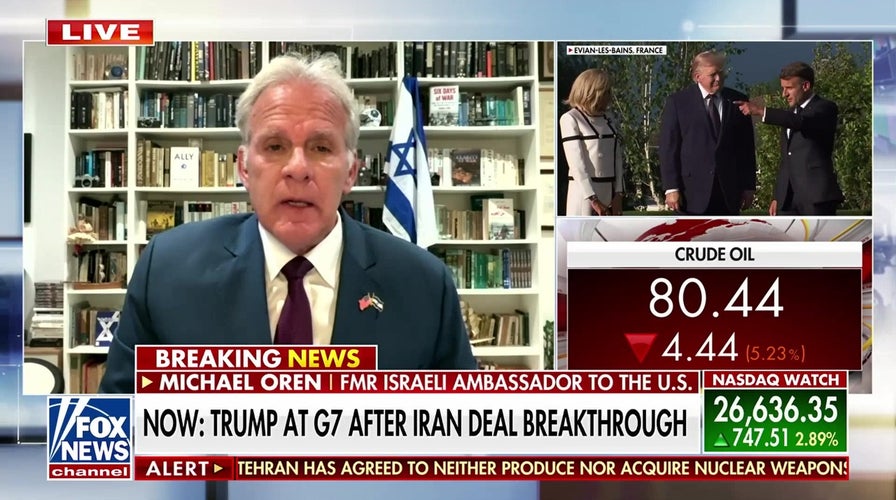
Former Israeli Ambassador Michael Oren discusses the Iran deal, warning its specific details could be "deadly" for Israel's security. Oren notes the deal fails to address key goals like eliminating Iran's nuclear program, ballistic missile system, and state-sponsored terror. He expresses "great concern" that the nuclear stockpile and control of the Strait of Hormuz remain unanswered questions.
The Trump administration is keeping major U.S. military forces in the Middle East despite lifting its naval blockade of Iran and launching a 60-day negotiating period aimed at securing a long-term agreement with Tehran.
Two carrier strike groups — the USS Abraham Lincoln and USS George H.W. Bush — remain operating in the Arabian Sea, while President Donald Trump said that U.S. naval forces would stay in position even after the reopening of the Strait of Hormuz.
"All ships are remaining in place should it be necessary to reinstitute the Blockade, which seems, at this point, highly unlikely," Trump wrote on Truth Social Tuesday.
The comments provide the clearest indication yet that the administration intends to maintain its military leverage over Iran while negotiations continue, even as officials tout progress toward a broader agreement.
BUILT FOR WEEKS OF WAR: INSIDE THE FIREPOWER THE US HAS POSITIONED IN THE MIDDLE EAST
"The plan is to keep the current force posture during the 60-day negotiations," a senior U.S. official told reporters on a call June 15. "We hope to draw them down, but we're not doing that yet."
The administration has not provided a timetable for reducing its military presence in the region, saying any drawdown would depend on progress toward a final agreement.
"The agreement contemplates the reduction of military forces in the region upon the agreement of a final deal," the official added.
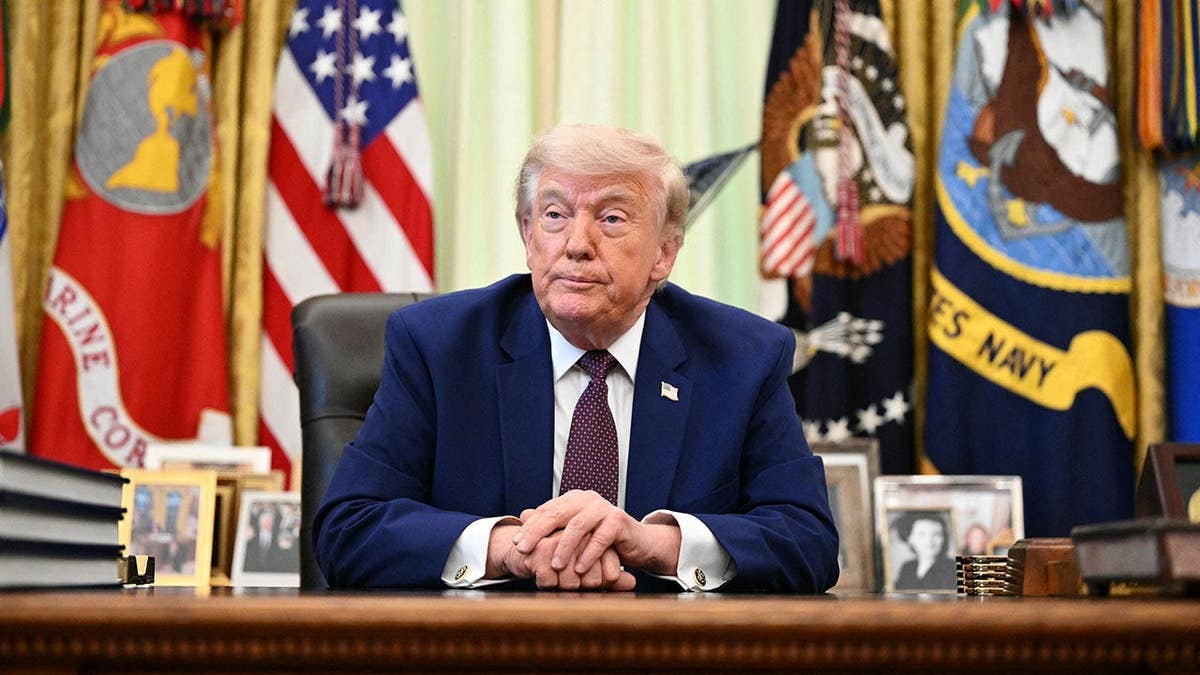
The Trump administration will keep its military buildup in the Middle East in place despite signing a new agreement with Iran, underscoring Washington's continued distrust of Tehran as the two sides enter a 60-day negotiating period. (Mandel Ngan/AFP)
The decision means the Pentagon will maintain a military posture that recently included roughly 50,000 troops deployed across the Middle East, one of the largest U.S. force concentrations in the region in more than two decades.
Officials repeatedly stressed that any sanctions relief, asset releases or future concessions would be tied to verification and Iranian performance, not promises alone, with one senior official acknowledging the two sides remain in the early stages of "building trust."
The administration's decision to keep military forces in place reflects continued uncertainty surrounding the Strait of Hormuz, even after Iran agreed to reopen the strategic waterway.
Commercial traffic has resumed, but shipping volumes remain well below prewar levels as mines are cleared and shipping companies assess the risks of returning to the route.
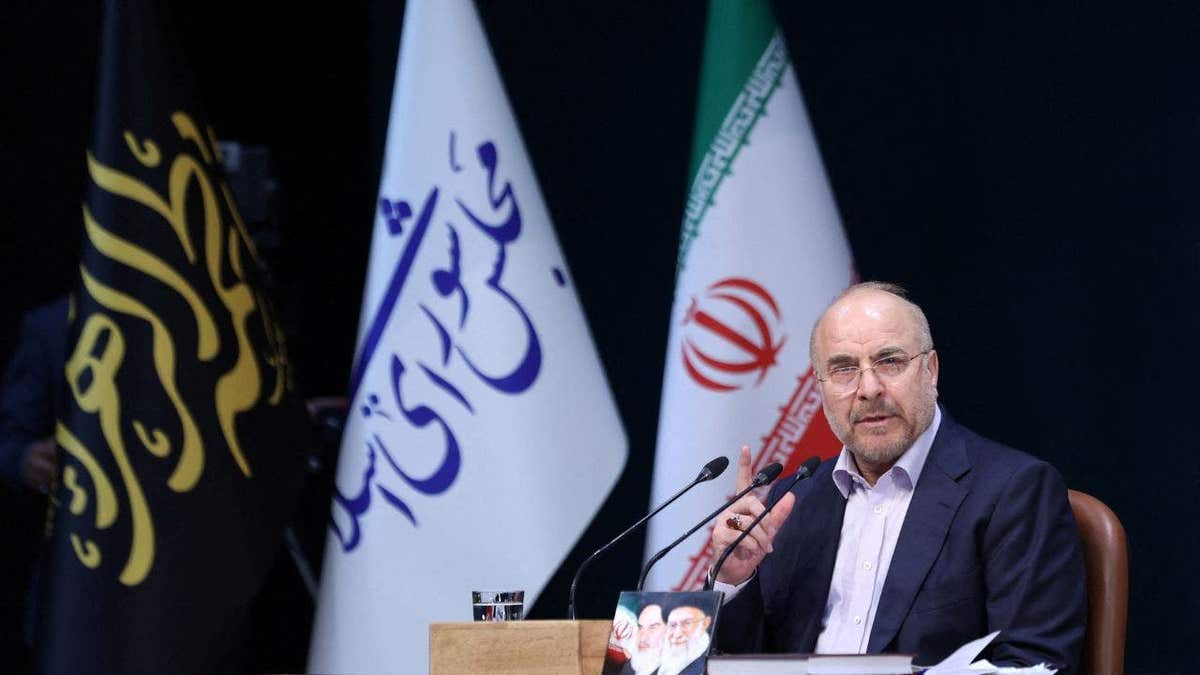
Officials said President Donald Trump, Vice President JD Vance and Iranian Parliament Speaker Mohammad Bagher Ghalibaf, pictured above, have already signed the memorandum with Iran. (Majid Asgaripour/West Asia News Agency via Reuters)
Trump has warned Iran against attempting to restrict passage through the strait again.
"You close it and you won't have a country," Trump told Fox News when asked what message he delivered to Iranian officials.
Iranian officials have meanwhile suggested shipping restrictions could return if negotiations collapse and have sought a larger role in regulating traffic through the waterway, setting the stage for potential future disputes despite the current agreement.
The memorandum stipulates a toll-free strait for 60 days, but after that period, Iran, Oman and regional partners are to decide on administration of the key waterway. Trump on Monday suggested the U.S. may charge tolls for ships crossing the strait instead of Iran.
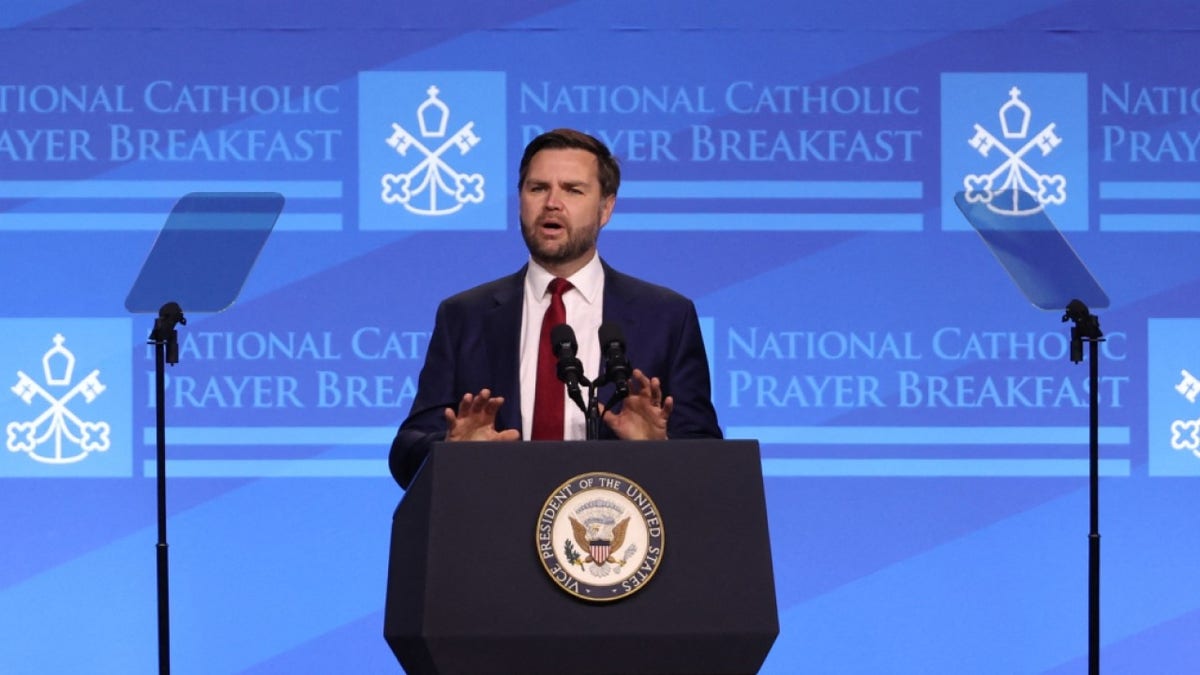
Officials said President Donald Trump, Vice President JD Vance and Iranian Parliament Speaker Mohammad Bagher Ghalibaf have already signed the memorandum. (Ting Shen/AFP via Getty Images)
"There will be NO TOLLS in the Hormuz Strait for 60 days during the Cease Fire Period, and there will be NO TOLLS after the 60 day period has expired, unless they are imposed by and for the United States of America, should the deal not be completed, for services rendered as the Guardian Angel to the countries of the Middle East," he posted on Truth social.
VANCE SAYS TRUMP ADMINISTRATION'S KEY OBJECTIVES HAVE BEEN REACHED IN US-IRAN DEAL
Trump's comments came as Vice President JD Vance returned from Switzerland Tuesday following the initial round of talks, while U.S. and Iranian negotiators are expected to continue working through the details of a broader agreement over the coming weeks.
In what Vance hailed as a "major milestone," he said Iran had agreed to allow U.N. International Atomic Energy Agency (IAEA) nuclear inspectors back into the country for the first time since the U.S. and Israel's military strikes against Iranian infrastructure last year.
To avoid military miscalculations, the U.S. and Iran agreed to establish a direct "communication line" specifically to handle commercial shipping incidents in the Strait of Hormuz.
CLICK HERE TO DOWNLOAD THE FOX NEWS APP
The Treasury Department has issued a temporary 60-day waiver allowing Iran to openly export oil and petroleum products during the negotiating period. The administration argues the waiver is reversible and contingent on continued Iranian compliance with the agreement.
Fox News' Trey Yingst contributed to this report.
