














Hegseth says Pentagon will not release full, unedited video of September drug boat strike
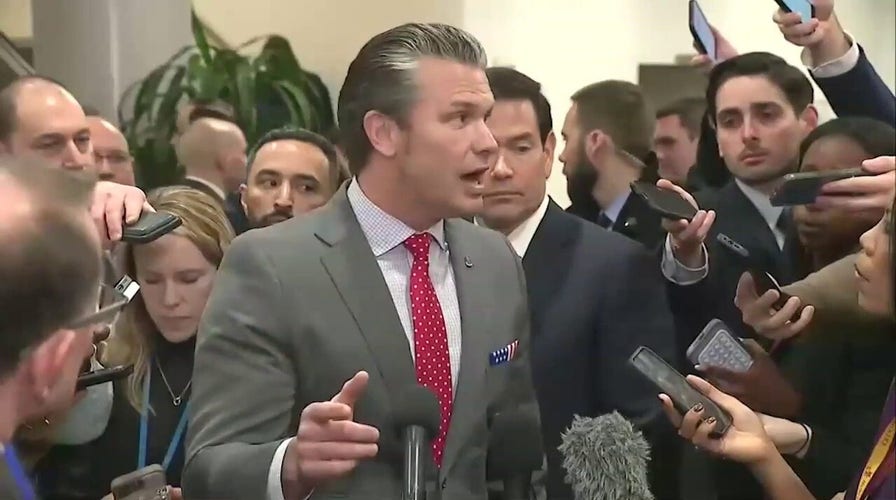
War Secretary Pete Hegseth said the Pentagon won't release the "top secret, full, unedited" video of the controversial September strike on a suspected drug boat in accordance with "longstanding" policies.
Secretary of War Pete Hegseth said that the Pentagon would not release the "top secret, full, unedited video" of the controversial September strike on a suspected drug boat.
However, Hegseth said that "appropriate" congressional committees would see the footage.
"In keeping with longstanding Department of War policy, Department of Defense policy, of course, we're not going to release a top secret, full, unedited video of that to the general public," Hegseth told reporters on Tuesday after a bipartisan classified Senate hearing on the strikes.
Hegseth did not take questions nor did he indicate whether an edited version of the video would be released to the public.
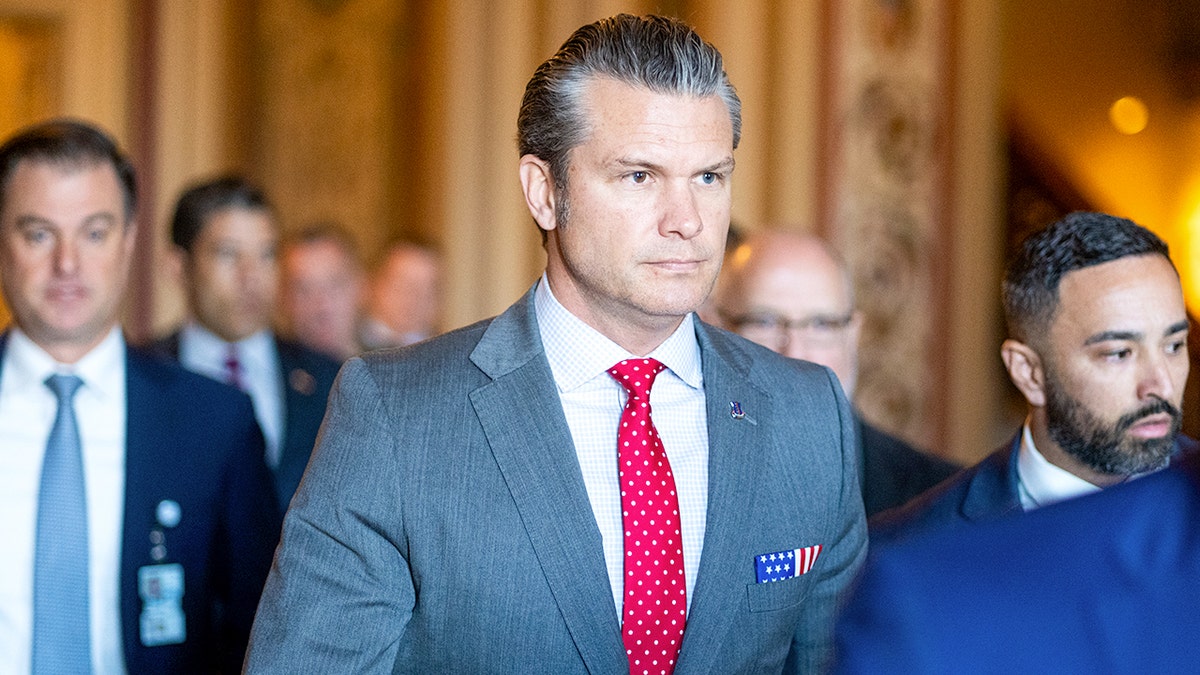
Secretary of Defense Pete Hegseth arrives in the U.S. Capitol on Tuesday, Dec. 16, 2025, for a briefing with Senate leaders on the military boat strikes. (Bill Clark/CQ-Roll Call, Inc via Getty Images)
Secretary of State Marco Rubio, who also attended the meeting, spoke with reporters as well. He said that he and Hegseth were heading to the House to have a similar briefing with lawmakers there.
Sen. Mark Kelly, D-Ariz., called for open hearings on the issue when speaking with reporters on Tuesday. He also theorized that the Pentagon had "issues" with the contents of the video and was trying to hide it from the American people.
"They released all the video that they liked, and then they got to one specific video that they know creates some problems for them. And for that reason, they don't want it released," Kelly said.
"Obviously, they have issues with what is in that video. And that's why they don't want everybody to see it. What we also need is open hearings so the American public can learn about this directly from the people that they employ," the senator added.
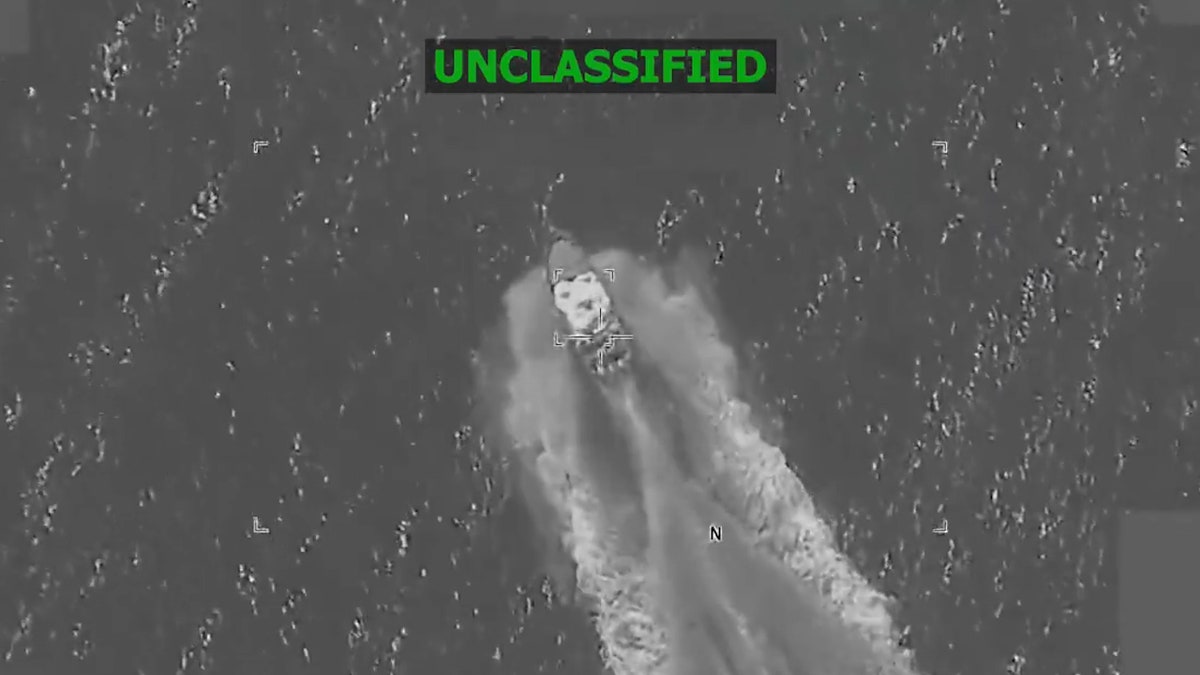
A vessel operated by designated terrorist organizations before getting struck by U.S. in the Eastern Pacific. ( U.S. Southern Command)
After getting a classified video about the strikes, House Speaker Mike Johnson, R-La., said the military's actions were "entirely appropriate."
"The individuals on that vessel were not helpless castaways. They were drug runners on a capsized drug boat and, by all indications, attempting to recover it so they could continue pushing drugs to kill Americans," Johnson told reporters.
He said there was "another vessel" nearby that the two survivors were "waving their arms" toward so that they could continue onward with "their mission."
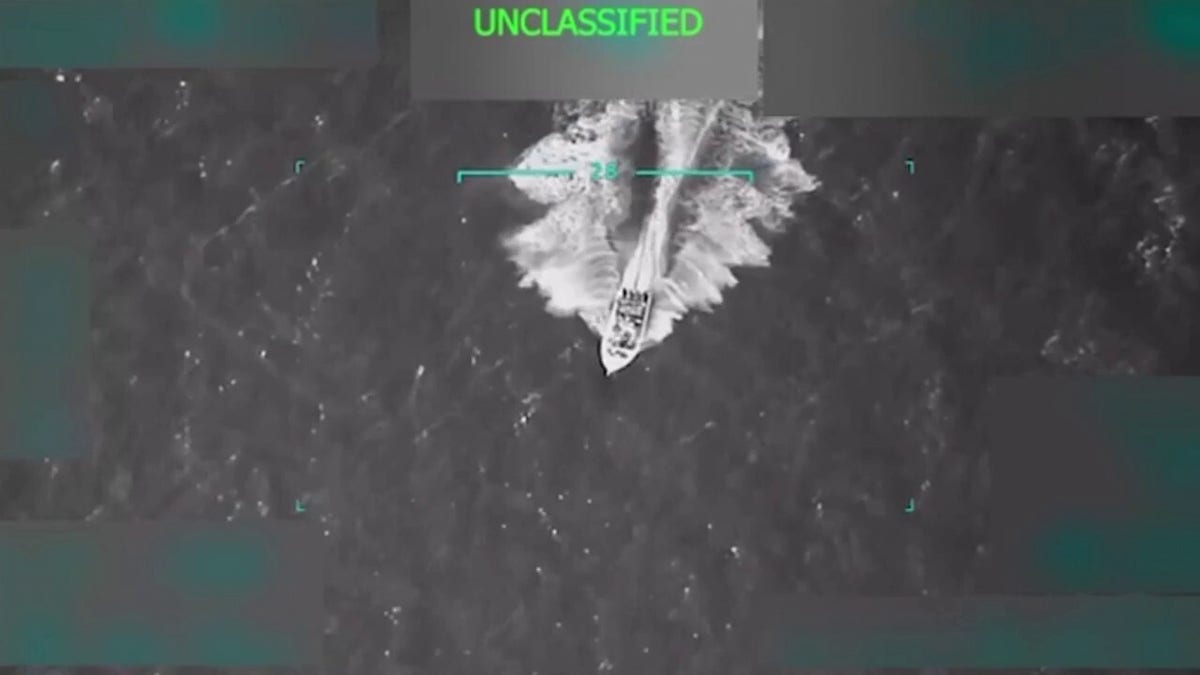
Video footage showed the vessel shortly before it was destroyed. (@realDonaldTrump via Truth Social)
CLICK HERE TO DOWNLOAD THE FOX NEWS APP
On Sept. 2, the Trump administration carried out the first publicly-acknowledged strike on a suspected drug boat in the Caribbean Sea. The strike has since become controversial due to a second missile that was shot at the boat, killing the only two survivors of the initial hit.
The White House confirmed and defended the second strike on Dec. 1, as the administration works to cut off the flow of drugs into the U.S. White House press secretary Karoline Leavitt told reporters that while Hegseth authorized the second strike, the head of U.S. Special Operations Command, Adm. Frank "Mitch" Bradley, ordered and directed it.
"On September 2nd, Secretary Hegseth authorized Admiral Bradley to conduct these kinetic strikes," Leavitt said during a briefing. "Admiral Bradley worked well within his authority and the law, directing the engagement to ensure the boat was destroyed and the threat to the United States of America was eliminated."
When asked to confirm that Bradley was the one who ordered the second strike, Leavitt said that he was "well within his authority to do so," but declined to disclose whether the second strike was ordered because there were survivors remaining from the first strike.
Fox News Digital's Elizabeth Elkind contributed to this report.
