











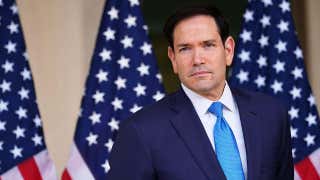









‘Steamrolled’: Congressman warns local backlash could derail national security push
Rep. Suhas Subramanyam, D-Va., says Washington needs a new playbook to win community buy-in as the US races China for technological dominance
A national security push to expand the infrastructure behind America's technological ambitions is running into resistance from the communities being asked to host it, pitting Washington's race to stay ahead of China against mounting local backlash.
Rep. Suhas Subramanyam, D-Va., who represents America’s "Data Center Alley," warns that backlash could obstruct the very buildout Washington considers a national priority unless Congress steps in — arguing that community buy-in is necessary to keep expansion moving.
"The communities are being steamrolled by the industry," Subramanyam told Fox News Digital. "They’re not feeling like anyone’s listening to them."
Subramanyam is pitching a four-part federal plan aimed at breaking what he sees as a false choice between unchecked development and outright moratoriums. The proposal addresses siting, power costs, energy and water measurement, and security for the facilities and surrounding communities.
TRUMP’S DATA CENTER PUSH FRACTURES CONGRESS AS LOCAL ANGER EXPLODES: 'GRASPING AT STRAWS'
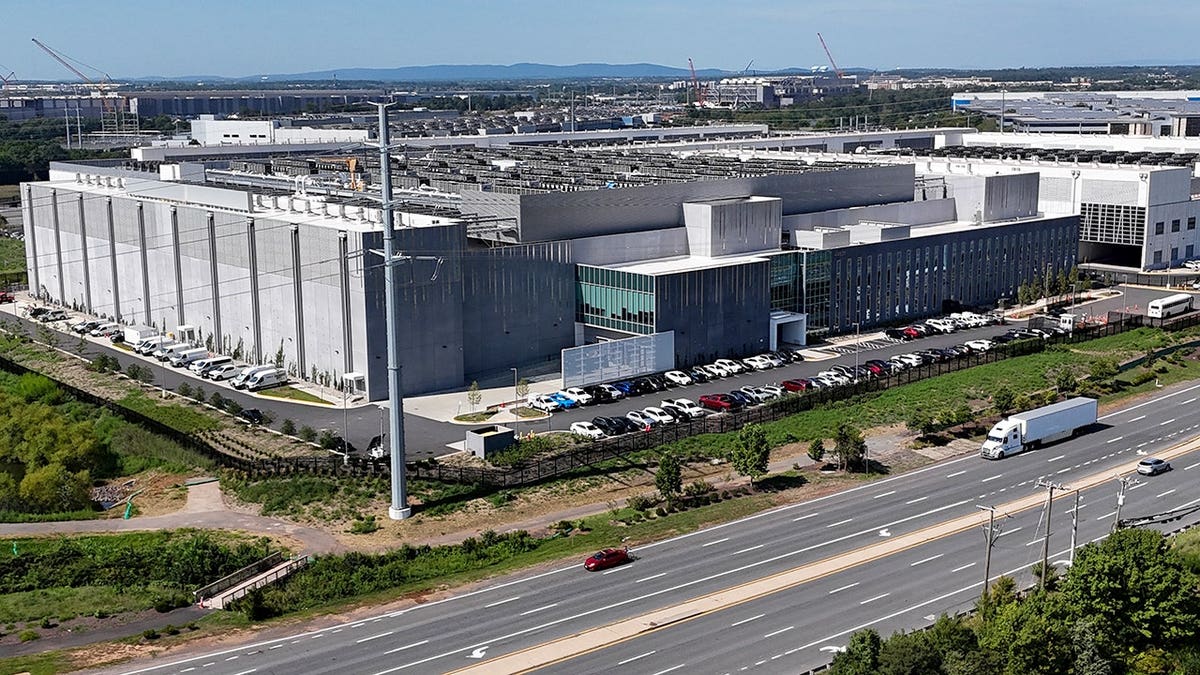
Ashburn, Virginia, is the center of Data Center Alley. (Anna Moneymaker/Getty Images)
"If you are concerned about a race with China, when it comes to building data centers and AI, you should want to work with us on a plan to get community buy-in for where to build data centers," Subramanyam said.
His Fair Share Act would push states to require large power users to cover more of the infrastructure costs needed to serve them, according to the plan.
HOMEOWNERS IN THE HEART OF AMERICA’S AI BOOM ARE GETTING AN UNEXPECTED PAYOFF

An Amazon Web Services data center in Stone Ridge, Virginia, on July 28, 2024. (Nathan Howard/Bloomberg via Getty Images)
"At the federal level, if we say that we're going to take away some of your federal funding if you do this, then it will be a no-brainer," he said, arguing data centers should "pay their fair share for the infrastructure that needs to be built because of them."
The tension surfaced again this week as Fox News Digital reported on complaints of noise and encroachment from a massive data center built against an Ashburn cul-de-sac.
Subramanyam said many residents in his district understand the need for the infrastructure but object to how he says its costs and burdens are distributed.
Loudoun County says data center revenue has helped it lower its real-property tax rate, from $1.145 per $100 of assessed value in 2016 to $0.805 in 2026, according to the county.
But Subramanyam argued residents must weigh those benefits against costs he says can appear elsewhere, particularly on utility bills.
"What's not OK is feeling like they come in, jack up utility costs and we pay for their power infrastructure," he said, also citing water, air quality and other community concerns.
The industry disputes that data centers are driving higher residential power bills. The Leesburg-based Data Center Coalition has cited a recent analysis by energy consulting firm E3 that found no historical evidence that data centers increased residential electricity costs under existing rate structures.
Fox News Digital reached out to the trade group, which is based in Data Center Alley, for comment on the package.
Subramanyam argues infrastructure with national implications cannot continue developing "ad hoc" under a patchwork of state and local rules.
CHINA ‘THROWING GASOLINE ON THE FIRE’ IN AI DATA CENTERS RACE, SAY LAWMAKERS
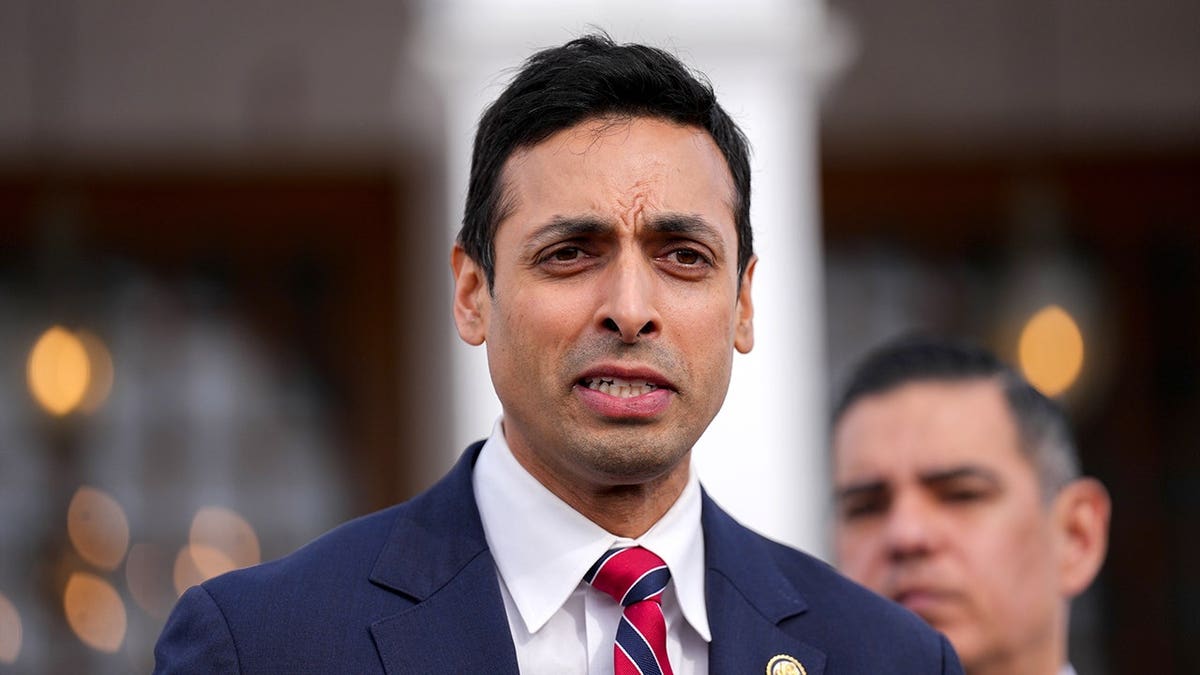
Rep. Suhas Subramanyam, D-Va., speaks on the Hill. (Adam Gray/Getty Images)
Other pieces of the plan would establish federal standards for siting and measurement and develop protections against security threats, including attacks on critical infrastructure overseas.
"I know that localities do zoning, states do energy policy and other related things, but Congress and the federal government need to get involved," Subramanyam said.
AMERICA'S REDDEST STATE CHASES BILLION-DOLLAR BOOM AS OTHERS SOUR ON MASSIVE EMERGING INDUSTRY
Those concerns have also become a focus of state action. Gov. Abigail Spanberger unveiled a September framework aimed at strengthening local control, shifting more infrastructure costs onto major power users and setting new standards for water use and grid reliability.
"In the years before I took office, data centers came to Virginia, and the commonwealth did not have a clear or coordinated plan to address their impacts on Virginians — on their electric bills, their water, their land, their air, or their quality of life," Spanberger told Fox News Digital.
Leaders across the political spectrum, from Spanberger to Texas Republican Gov. Greg Abbott, have crafted plans and emphasized the issue’s importance on multiple fronts.
Just across the Blue Ridge, West Virginia has taken a different approach, creating a microgrid program designed to attract large projects. Critics have raised concerns about limits on local government powers, while proponents have mapped out potential property tax elimination.
Jefferson County stakeholders recently debated the issue with the state's data-economy liaison at a forum in Shepherdstown, where county Commissioner Cara Keys criticized the potential loss of local control while the liaison maintained that project approvals would be handled judiciously, according to WVMetroNews.
"Two things can be true: You can support data centers, and you can be against the guardrails lacking in [the law]," Keys said.
SIGN UP TO GET THE POLITICS NEWSLETTER
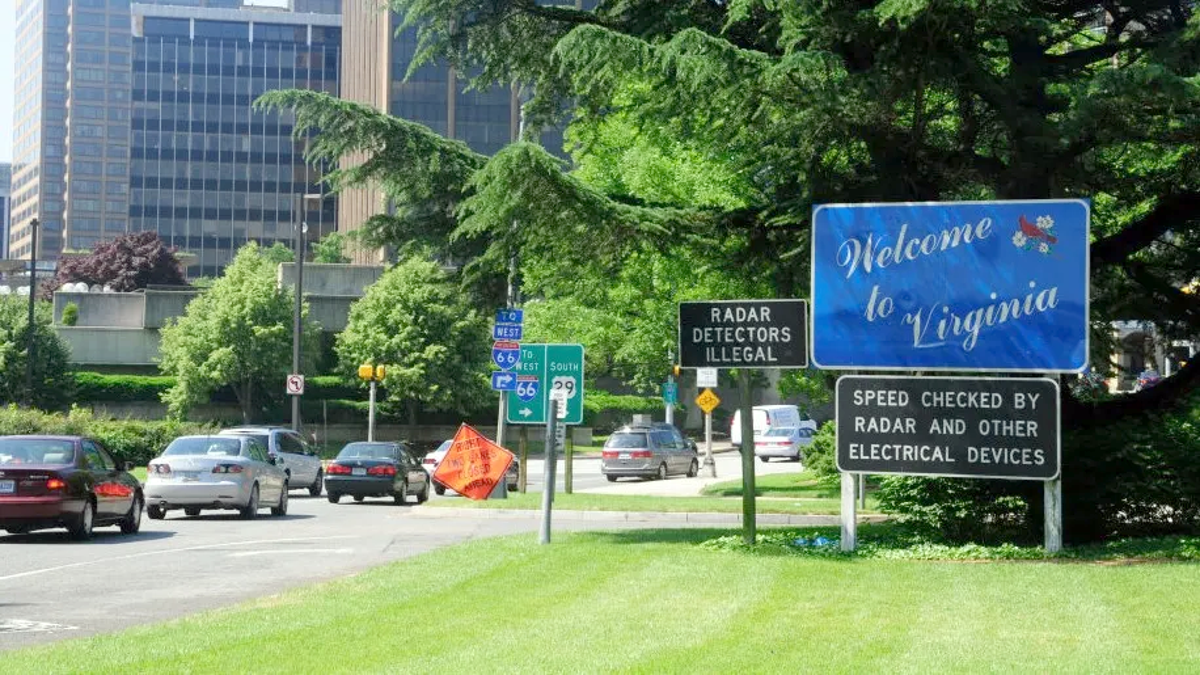
A welcome sign is posted in the grass near the intersection of Lee Highway, Key Bridge and the George Washington Memorial Parkway in Rosslyn, Arlington County, Virginia. (Universal Images Group/Getty Images)
For Subramanyam, the sharply different approaches on either side of the Blue Ridge illustrate the patchwork he says Washington must address before local resistance hardens further.
CLICK HERE TO DOWNLOAD THE FOX NEWS APP
"The only plan I've seen is either to do nothing or a full moratorium," he said. "And to me, neither of those is a viable option moving forward."
