














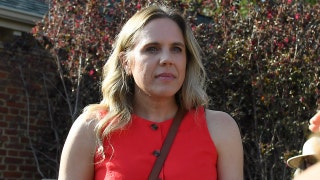





Former election whistleblower warns foreign actors are fueling backlash against American AI data centers
AI executive and former election whistleblower Brittany Kaiser warns foreign actors may be fueling backlash to U.S. data centers, saying the campaigns could slow development, send sensitive data overseas and weaken America in the global AI race.
America's rivals stand to gain from a growing backlash against the data centers powering the nation's AI boom and foreign money is helping fuel it, Brittany Kaiser warned.
Kaiser, a former Cambridge Analytica employee and election whistleblower, told Fox News Digital the opposition looked strikingly similar to political influence efforts she encountered in her previous work.
"As a former whistleblower on elections' intervention, the uproar of discontent around American AI data centers looked very familiar to political interventions that I have seen in the past," Kaiser told Fox News Digital.
She pointed to a surge of online opposition that she said emerged while President Donald Trump and top U.S. AI executives were overseas.
"What looked like billions of dollars were poured into targeted social media campaigns, all upset about American data centers and trying to get people to come out and protest against American data centers," Kaiser said.
"This was very obviously paid for. A lot of money went into this," she added. "For me, it seemed very deliberate."
THIS TINY FARMING TOWN YOU’VE NEVER HEARD OF IS HELPING MICROSOFT SELL AMERICA ON DATA CENTERS
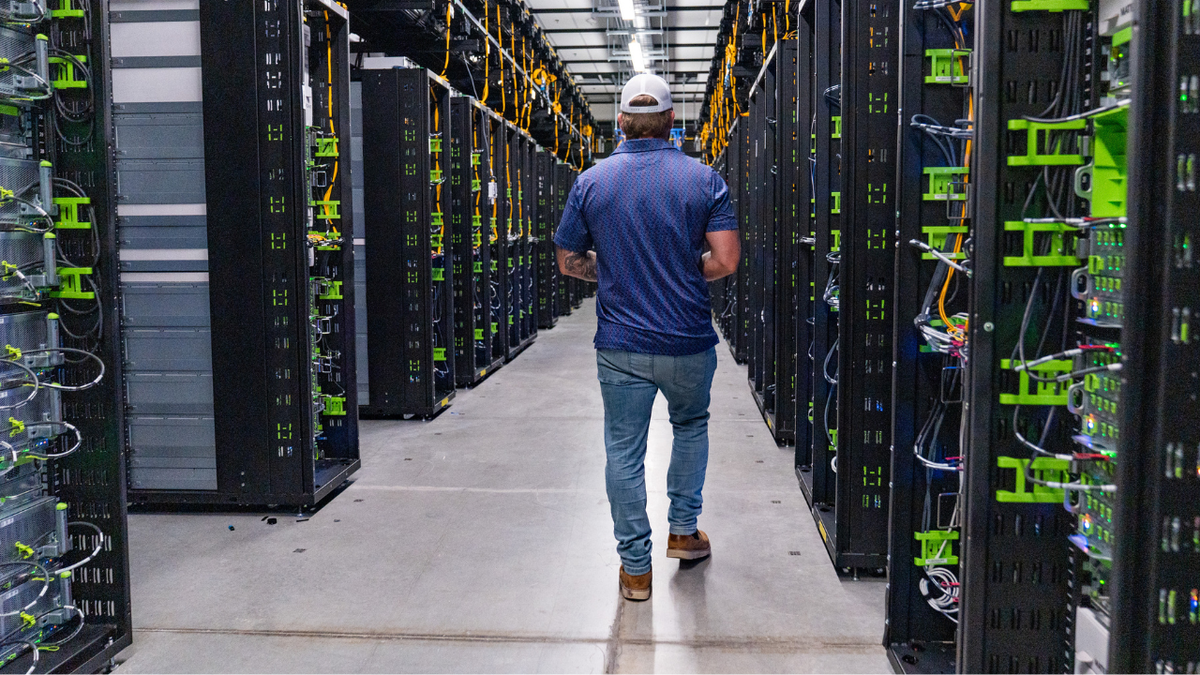
Data centers house the servers and computing equipment that power everything from email and internet searches to streaming services and artificial intelligence. (Mikala Compton/The Austin American-Statesman/Getty Images)
The consequences, Kaiser argued, could reach beyond America's ability to compete in AI. Restrictions that slow construction at home could leave U.S. companies looking overseas for the enormous computing capacity the technology requires.
"The slower America is building data centers, the less we are able to own our own compute power and own our data that will get sent abroad, and it will also possibly slow down American AI development," she said.
Data centers are large facilities filled with servers and other computing equipment that process and store the information behind everything from email and internet searches to banking, streaming and artificial intelligence. The rapid growth of AI has dramatically increased demand for computing power, fueling a nationwide construction boom.
That expansion has also sparked resistance from communities and lawmakers over electricity costs, water consumption, noise and the strain large facilities could place on local infrastructure.
FROM NETFLIX TO GPS: 10 WAYS THIS HIDDEN TECH INFRASTRUCTURE QUIETLY POWERS MODERN LIFE
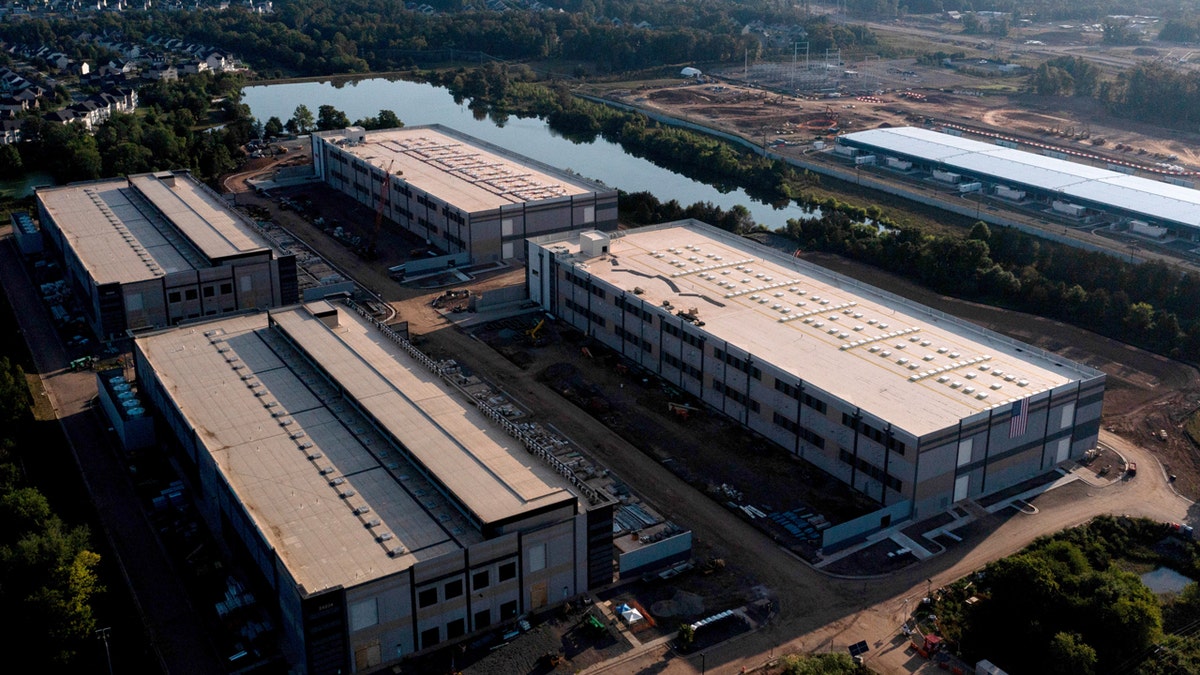
Virginia is home to the world's largest concentration of data centers, with Northern Virginia serving as a major hub for the infrastructure that powers cloud computing, internet services and artificial intelligence. (Nathan Howard/Bloomberg via Getty Images)
Kaiser acknowledged those concerns, saying not all opposition is driven by outside interests and that some developers have failed to build projects in a "responsible and sustainable manner."
She argued that "common sense regulation" can address those concerns without imposing sweeping restrictions that could hamper domestic development.
For Kaiser, a data privacy advocate who now serves as CEO of Alpha Compute, the question of where that computing capacity is built is also a national security issue.
"One of my largest concerns as a top data protection and privacy advocate is that with data center moratoriums being passed in the United States that it will force Americans and American companies to send our data to be processed abroad in other countries," Kaiser said.
"American companies are going to still run their AI," she added. "They're still going to be purchasing data center space in other countries, and it means our sensitive information will be sent abroad and shared with companies and organizations that might not have America's best interests at heart."
ONE OF AMERICA'S OLDEST MANUFACTURERS SAYS AI IS CREATING JOBS — NOT REPLACING THEM

Kaiser said the facilities have become critical infrastructure for the digital economy, comparing domestic computing capacity to the country's push for energy independence.
"Compute power has now become nearly a utility," she said.
"We want to have the right to compute," Kaiser added. "We want to be able to process data within our own borders as a national security priority, but also for our own intellectual property to make sure we're not sending our data abroad."
Kaiser said responsible developments can reduce their impact on surrounding communities through measures including closed-loop water cooling systems and generating power independently rather than drawing additional electricity from the existing grid.
Alpha Compute, she said, is pursuing projects designed to operate "off-grid, behind the meter," meaning the facilities would generate their own power rather than relying on electricity supplied through the local grid.
ONE MONTHLY BILL AMERICANS CAN’T AVOID IS QUIETLY SURGING THANKS TO EMERGING INDUSTRY
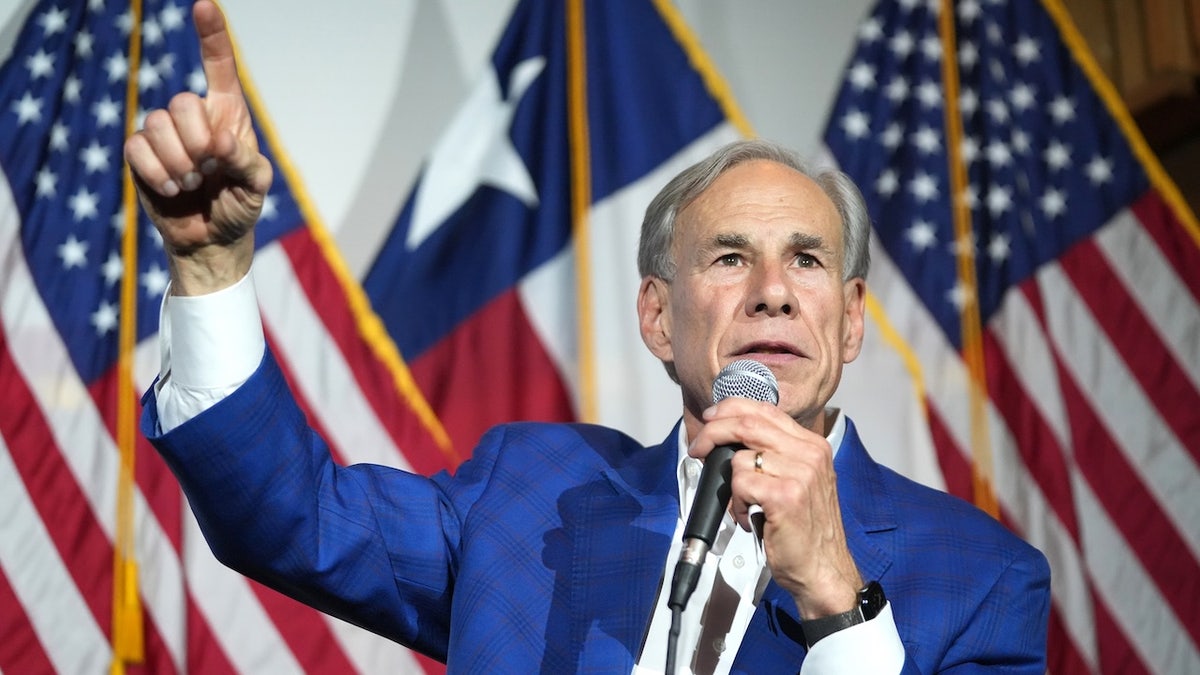
Texas Gov. Greg Abbott has pushed data centers to generate more of their own power and shoulder infrastructure costs as development accelerates across the state. (Jay Janner/The Austin American-Statesman via Getty Images)
The company is developing a project in Pennsylvania, where Gov. Josh Shapiro recently imposed new requirements on large data center developments. Kaiser said Alpha Compute plans to comply with the regulations and welcomed provisions promoting cleaner energy.
Pennsylvania is among a growing number of states confronting the rapid expansion of data centers. In Texas, Gov. Greg Abbott has pushed data centers to provide more of their own power and shoulder infrastructure costs as development accelerates across the state.
CLICK HERE TO DOWNLOAD THE FOX NEWS APP
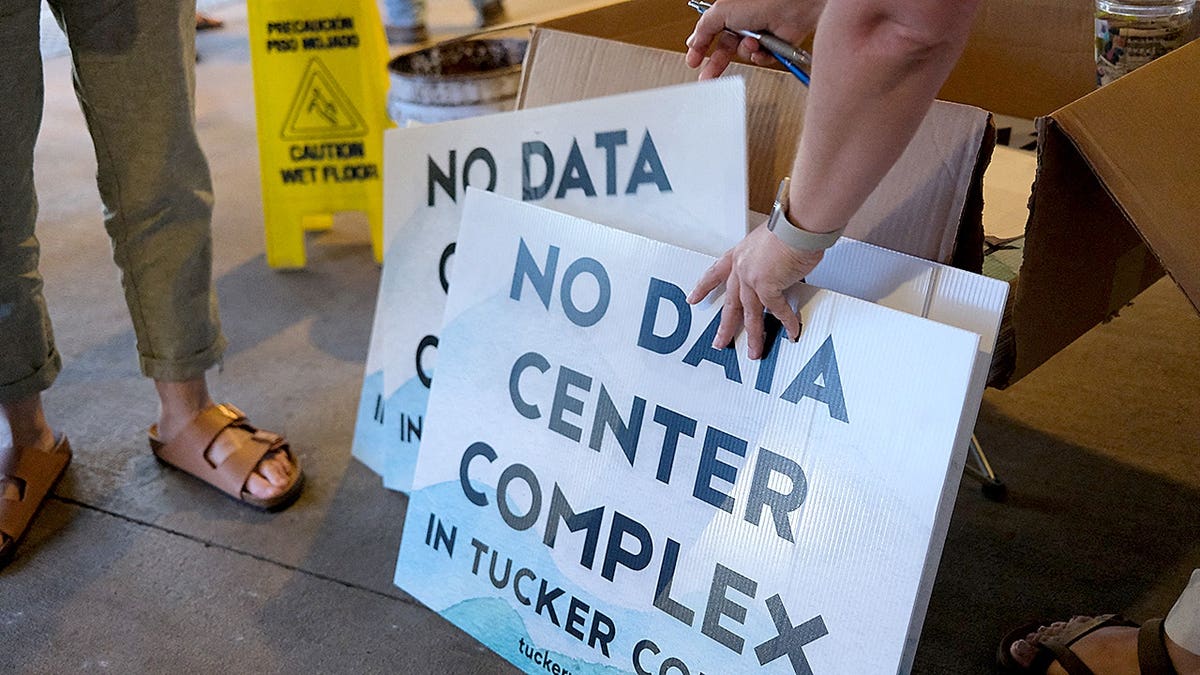
Volunteers hand out yard signs against a data center complex in Canaan Valley on June 30, 2025. (ULYSSE BELLIER/AFP/Getty Images)
Other governors have gone further. Democratic New York Gov. Kathy Hochul imposed a one-year moratorium on new hyperscale data centers as states grapple with concerns over electricity costs, grid reliability and the pace of development.
Kaiser has also launched a campaign called "Right to Compute," advocating for domestic data center development alongside sustainability standards and regulation.
"We should have the right to both energy independence as well as compute power," she said, "so that Americans and American companies can process all of our sensitive data within our own borders."
