
Vance, US negotiators depart meeting with Iran, Pakistan delegation after peace talks fail
A White House official says special envoy Steve Witkoff and Jared Kushner have departed Islamabad, Pakistan after they and Vice President JD Vance failed to secure a peace agreement with Iran.
Coverage for this event has ended.
Iran's president says deal will be reached if US abandons its 'totalitarianism'
Iranian President Masoud Pezeshkian said Sunday an agreement with the United States was possible if Washington "abandons its totalitarianism and respects the rights of the Iranian nation."
"If the American government abandons its totalitarianism and respects the rights of the Iranian nation, ways to reach an agreement will certainly be found," he wrote on X.
He also praised Iran’s negotiating team, including parliament speaker Mohammad Bagher Qalibaf, saying, "God gives you strength."
Talks between the two sides broke down Saturday after hours of negotiations in Pakistan.
Iran and the United States remained divided on key issues, including freedom of navigation in the Strait of Hormuz and the future of Iran’s nuclear enrichment program.
Trump says US will blockade ships entering or exiting Iranian ports on Monday
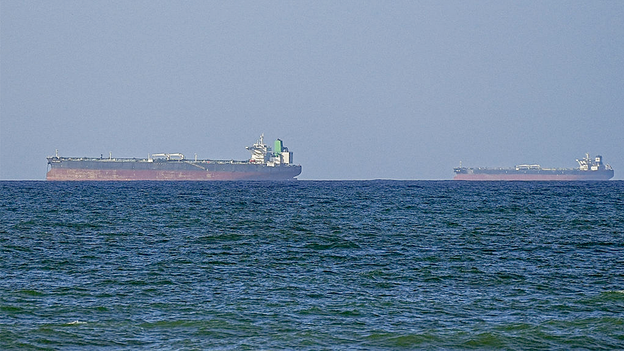
President Donald Trump said the U.S. will blockade vessels that enter or exit Iranian ports on Monday morning.
"The United States to Blockade Ships Entering or Exiting Iranian Ports on April 13 at 10:00 A.M. ET. Thank you for your attention to this matter!" Trump wrote on Truth Social.
Australia's prime minister to visit Brunei, Malaysia as part of efforts to secure fuel supplies
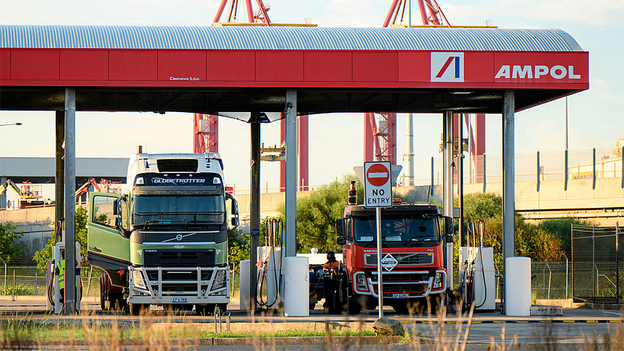
Australian Prime Minister Anthony Albanese announced that he will visit Brunei and Malaysia as part of his efforts to secure fuel supplies amid an energy crisis triggered by the war in the Middle East.
Albanese said he will visit the two nations this week to "ensure Australia’s energy supply remains secure during times of uncertainty."
The prime minister also visited Singapore last week.
The three Southeast Asian countries are major suppliers of Australia’s gasoline, diesel and jet fuel. Singapore and Malaysia also purchase Australian liquefied natural gas.
Albanese will meet with Brunei’s Sultan Hassanal Bolkiah and Malaysian Prime Minister Anwar Ibrahim during visits between Tuesday and Friday.
The Associated Press contributed to this report.
Trump says 'I don’t care' if Iran returns to the negotiating table
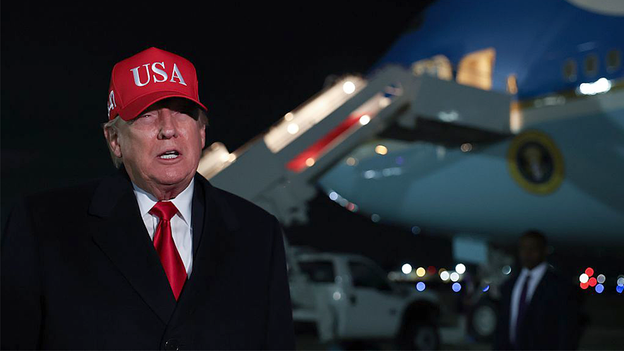
President Donald Trump said on Sunday that he does not care whether Iranian officials return to the negotiating table during a fragile ceasefire.
Speaking to reporters, Trump was asked how long it might take for Iranian officials to resume negotiations amid the ceasefire.
“I don’t care if they come back or not,” he responded. “If they don’t come back, I’m fine.”
Trump claimed that Iran indicated during weekend negotiations, led by Vice President JD Vance, that it was still pursuing a nuclear weapon.
“They still want it, and they made that clear the other night. Iran will not have a nuclear weapon,” Trump said.
The Associated Press contributed to this report.
Trump says the two F-15E pilots rescued from Iran are in 'very good shape'
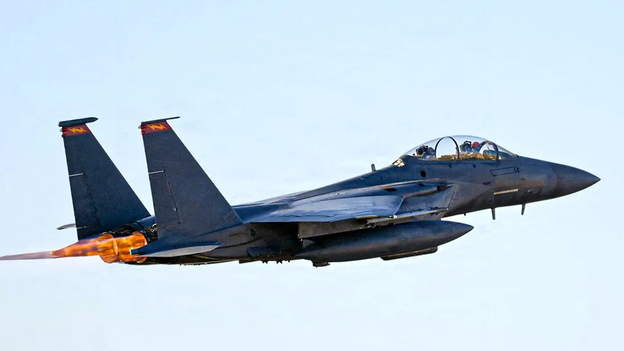
President Donald Trump said Sunday that the two U.S. F-15E pilots rescued from Iran are in “very good shape."
“They’re in very good shape,” Trump told reporters at Joint Base Andrews, adding, “we are very proud of them.”
The president previously described the recent rescue operation, which took place in a mountainous area of Iran, as “one of the most daring” such missions in U.S. history.
The two airmen were aboard an F-15E fighter jet that was shot down earlier this month amid heightened tensions between the United States and Iran. Both were recovered in separate rescue missions, with one airman initially wounded but expected to fully recover.
The successful recovery comes as the U.S. increases pressure on Iran, including plans for a new blockade aimed at restricting the country’s oil exports and limiting its military capabilities.
The development comes as Trump is weighing the possibility of restarting limited military strikes on Iran alongside the planned Strait of Hormuz blockade, according to a Wall Street Journal report.
Trump says Iran ceasefire ‘holding well’, confirms Strait of Hormuz blockade
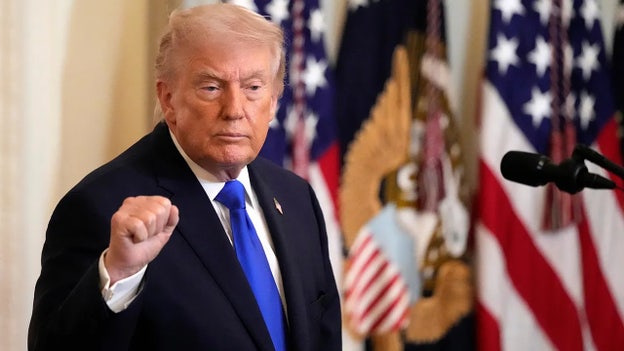
President Donald Trump said Sunday that the ceasefire between Iran and the United States is “holding well,” while confirming that the U.S. blockade of the Strait of Hormuz will take effect Monday morning.
“I would say it's holding well,” Trump said of the ceasefire, before describing how the Iranian military “is” destroyed and “their whole Navy is underwater.”
“You know that 158 ships are gone. Their navy is gone. Most of their mine droppers are gone,” he told reporters at Joint Base Andrews.
“As you know, at 10:00 tomorrow, we have a blockade going into effect,” Trump confirmed.
“Other nations are working so that Iran will not be able to sell oil,” he added, while declaring the blockade would be “very effective.”
“There are many boats heading toward our country to fill up with oil and then go and take it,” he said.
“So they're not going to go through the strait, and ultimately that will be corrected. But in the meantime, they're using us. We have more oil because of ‘drill, baby, drill,’” Trump added.
Trump blasts NATO says 'they weren't there for us' as Iran tensions soar
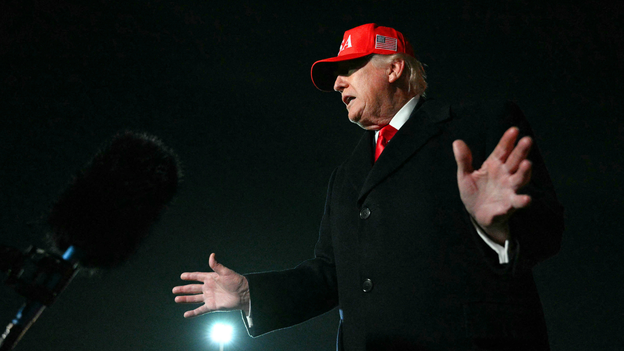
President Donald Trump said Sunday he is “very disappointed in NATO” as tensions with Iran continue to escalate, criticizing the alliance’s lack of involvement in the growing conflict.
“They weren’t there for us. We pay trillions of dollars for NATO, and they weren’t there for us,” Trump told reporters at Joint Base Andrews.
He questioned the long-standing financial commitment the U.S. has made to the alliance, arguing American contributions have largely gone toward protecting allied nations, particularly against Russia.
“We’ve spent trillions of dollars on NATO to help guard against Russia,” Trump said. “When you think about it, we’re guarding them against Russia. I’ve long thought it was a little ridiculous.”
Trump said NATO’s role — and U.S. funding levels — will face increased scrutiny moving forward.
“I think that’s going to be under very serious examination,” he said.
Trump met last week with NATO Secretary General Mark Rutte at the White House.
Pompeo warns NATO falling short, leaving US to do their 'dirty work'
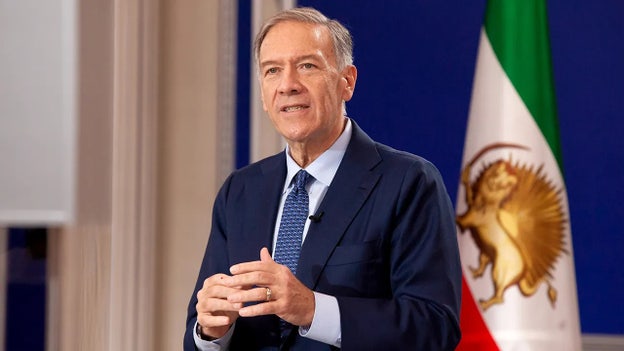
Former Secretary of State Mike Pompeo on Sunday warned that NATO and key European allies are falling short, leaving the United States to shoulder the burden largely alone.
His remarks underscore a widening rift between Washington and its European allies as President Donald Trump escalates pressure on Iran.
“One, they are indeed failing to meet the moment,” Pompeo told Joey Jones on “The Big Weekend Show” for tonight’s “Big Close-Up.”
“Their people, their citizens are just as much at risk from the Iranian regime as any American or any Israeli, and they've just decided to sit this one out,” he added.
Pompeo also went on to describe how the U.S. appeared to be doing NATO countries’ “dirty work.”
“And worse than that, in some cases, they've not even provided minimal support to the United States so that we can do, as a German senator said, we can do their dirty work for them. So deeply disappointing for many of the European countries,” he added.
Pompeo’s remarks came after Trump directed his anger at NATO allies over what he sees as their lack of support for U.S. operations against Iran.
Referring to the alliance as a “paper tiger,” Trump also suggested that the U.S. could withdraw from it.
Trump has 'gone for the jugular' to cut off Iran’s revenue stream, says Pompeo
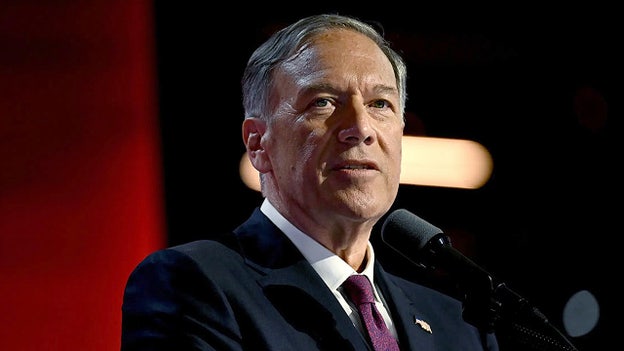
President Donald Trump’s strategy in Iran has weakened the regime, leaving it in a precarious position while deterring further aggression, former Secretary of State Mike Pompeo said Sunday.
Joining “The Big Weekend Show” for tonight’s “Big Close-Up,” Pompeo said Iran has already seen resources depleted during Operation Epic Fury and now finds itself in a “politically difficult spot.”
He also argued the administration’s approach is cutting off critical revenue streams and forcing Tehran to make decisions following the breakdown of talks in Islamabad.
“President Trump has essentially gone for the jugular. He will cut off essentially all revenue that has been flowing into the Iranian regime,” Pompeo said.
He also said the Iranians would now have to decide what to do following the talks before warning Trump will “unleash even more fury” which would only put them in a “lesser position.”
“I think President Trump has done a very smart thing,” he told Joey Jones commenting on the planned U.S. Strait of Hormuz blockade.
“This will put not only the Iranians, but the Chinese in a very difficult spot, where now they will have to buy market-based, market-priced oil or convince the Iranians to stand down and allow the strait to be reopened,” Pompeo said.
Iran’s president signals openness to US deal if Washington shifts approach
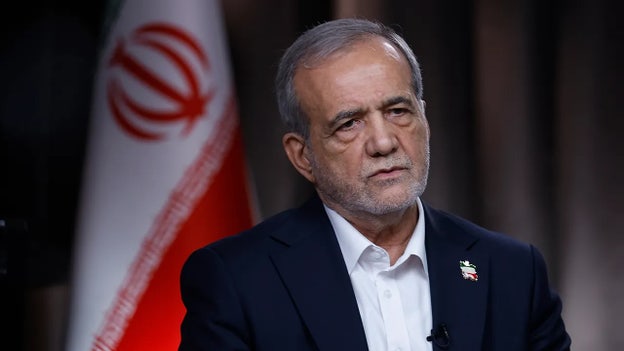
Iran’s President Masoud Pezeshkian said Sunday that an agreement with the United States is still a possibility if Washington takes a different stance toward Tehran.
“If the American government abandons its totalitarianism and respects the rights of the Iranian nation, ways to reach an agreement will certainly be found,” Pezeshkian said in a post translated from Persian to English shared on X.
“I commend the members of the negotiating team, especially my dear brother Dr. Mohammad Bagher Qalibaf, and say, ‘God gives you strength,’” he added.
Trump eyes limited military action against Iran after failed Islamabad talks: report
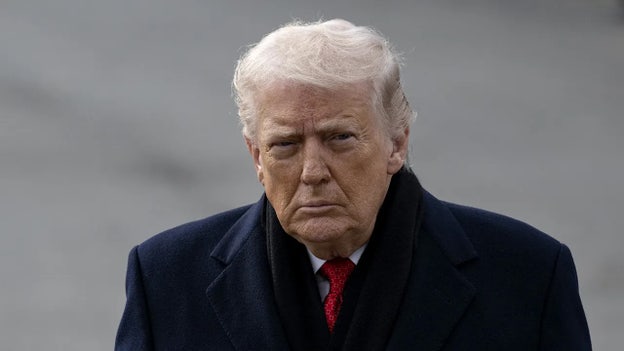
President Donald Trump is weighing the possibility of restarting limited military strikes on Iran, along with the Strait of Hormuz blockade, according to The Wall Street Journal.
Citing U.S. officials, the outlet said the options are being considered as a way to break the stalemate in peace talks, following the collapse of negotiations in Pakistan.
Officials indicated that a full-scale bombing campaign is less likely, given concerns about further destabilizing the region and Trump’s reluctance to engage in prolonged military conflicts.
The report also noted that Trump could pursue a temporary blockade of the strait while pressuring U.S. allies to take on responsibility for a sustained maritime escort mission in the future.
Oil prices spike as Trump says US to block Strait of Hormuz
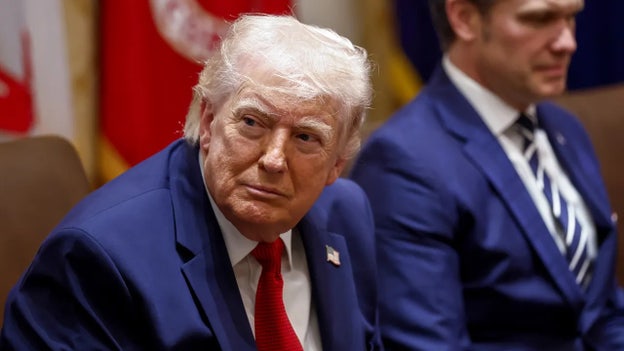
Oil prices rose in early market trading after President Donald Trump announced the U.S. would blockade Iranian ports, and as U.S. Central Command announced the plans would start Monday.
CNBC reported the price of U.S. crude oil rose 8% to $104.24 per barrel. Brent crude oil, the international standard, rose 7% to $102.29 per barrel.
Brent crude has swung during the war, rising from around $70 per barrel before the U.S.-Israeli attacks started on Feb. 28 to more than $119 at times.
“We’re not going to let Iran make money on selling oil to people that they like and not people that they don’t like, or whatever it is. It’s going to be all or none,” Trump said on “Sunday Morning Futures.”
Similarly, Trump also said the U.S. would block “any and all ships trying to enter or leave the Strait of Hormuz,” in a post on Truth Social before adding that the blockade would be “effective immediately.”
Iran accuses US of 'maximalism' after Islamabad talks collapse
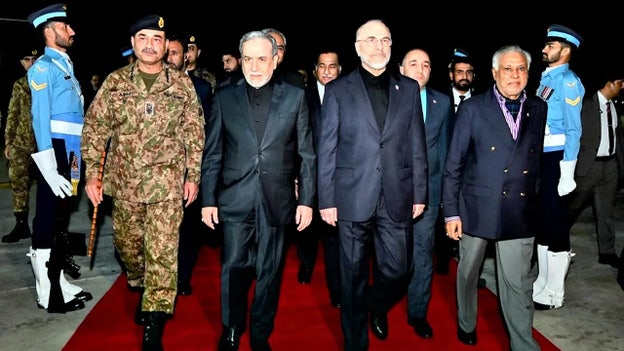
Iran’s delegation was met with “maximalism, shifting goalposts, and blockade,” Foreign Minister Seyed Abbas Araghchi claimed Sunday following the breakdown of talks between the United States and Iran over the war.
“In intensive talks at the highest level in 47 years, Iran engaged with the U.S. in good faith to end the war,” Araghchi wrote in a post on X.
“But when just inches away from the ‘Islamabad MoU,’ we encountered maximalism, shifting goalposts, and blockade,” he added.
“Zero lessons learned. Goodwill begets goodwill. Enmity begets enmity,” Araghchi said.
The talks in Islamabad in Pakistan, were the first between the U.S. and Iran since the war began on Feb. 28. The Iranian delegation was led by Parliament Speaker Mohammad Bagher Qalibaf.
US to launch naval blockade of Iranian ports on Monday, CENTCOM says
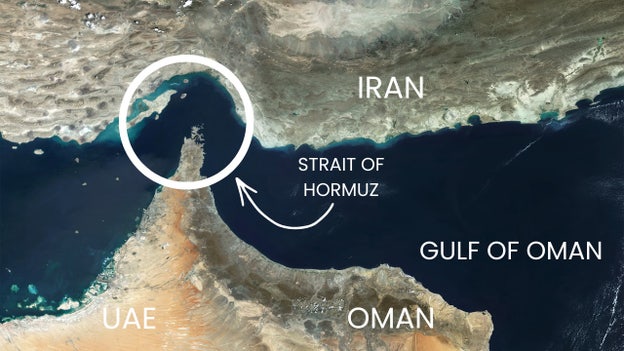
U.S. forces will begin implementing a maritime blockade of Iranian ports on Monday, according to a statement from U.S. Central Command (CENTCOM).
In a post on X, CENTCOM said the operation will start on April 13 at 10 a.m. ET, following a proclamation issued by the president.
“U.S. Central Command (CENTCOM) forces will begin implementing a blockade of all maritime traffic entering and exiting Iranian ports,” the statement said.
“The blockade will be enforced impartially against vessels of all nations entering or departing Iranian ports and coastal areas, including all Iranian ports on the Arabian Gulf and Gulf of Oman,” CENTCOM said.
At the same time, the command noted that U.S. military forces will not interfere with freedom of navigation for ships passing through the Strait of Hormuz if they are traveling to or from non-Iranian ports.
CENTCOM also issued guidance to mariners operating in the region, advising them to monitor official Notice to Mariners broadcasts and to contact U.S. naval forces on bridge-to-bridge Channel 16 while transiting the Gulf of Oman and approaches to the Strait of Hormuz.
Blanche warns DOJ will prosecute buyers and sellers of sanctioned Iranian oil
Acting Deputy Attorney General Todd Blanche said the Department of Justice (DOJ) will prosecute anyone who buys or sells sanctioned Iranian oil and voiced support for President Donald Trump and the military in its efforts across the Middle East.
“The Department of Justice will vigorously prosecute anyone who buys or sells sanctioned Iranian oil,” Blanche wrote on X.
“@TheJusticeDept fully supports our Commander in Chief @POTUS and our military,” he added.
His post came after the White House shared Trump’s remarks made Sunday morning in the wake of ceasefire talks breaking down between the U.S. and Iran in Islamabad.
“Effective immediately, the United States Navy, the Finest in the World, will begin the process of BLOCKADING any and all Ships trying to enter, or leave, the Strait of Hormuz,” Trump said in a post shared on Truth Social.
Vance returns to Washington after Pakistan trip and Iran talks
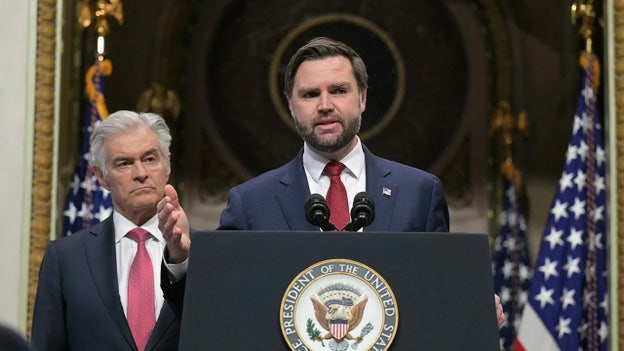
Vice President JD Vance, who led the U.S. delegation in Islamabad on Saturday, arrived back in Washington on Sunday at Joint Base Andrews near Washington, D.C.
Vance did not stop to speak with reporters upon his arrival.
He departed Pakistan after stating that he had presented a “final and best offer,” which was rejected by the Iranian delegation.
‘Critical’ threat in Strait of Hormuz as Iran insists on coordinating ship transits, UKMTO warns
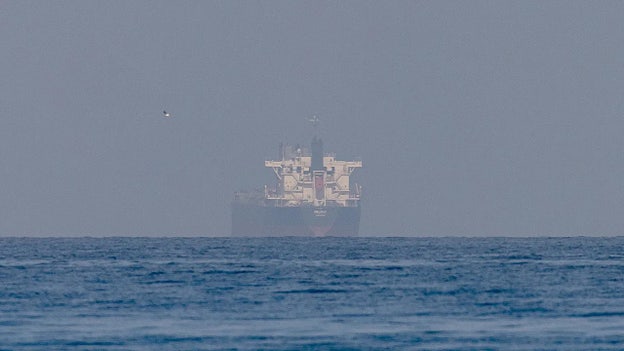
Traffic through the Strait of Hormuz remained sharply reduced Sunday as talks failed between the United States and Iran, with the U.K. Maritime Trade Operations (UKMTO) center warning of a “critical” threat.
“The regional maritime threat environment across the Arabian Gulf, Strait of Hormuz, and Gulf of Oman remains CRITICAL,” the UKMTO said in an advisory.
“The overall maritime threat environment remains at a critical level due to recent attack patterns, continued navigation interference, and persistent operational disruption, to include port facilities, across the region," it added.
The UKMTO also reported that only four vessels transited the strait in the past 24 hours, compared to a historical average of about 138 vessels per day before the conflict.
AIS data further highlights the slowdown, showing “eight transits on April 9, two transits on April 10, and four transits on April 11.”
“Iran continues to assert that transits require prior coordination with its armed forces,” the UKMTO warned.
Lebanon pushes for ceasefire and Israeli withdrawal ahead of Washington talks
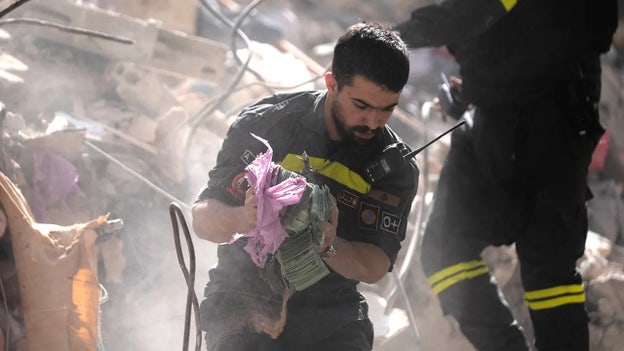
Lebanon’s prime minister said Sunday that his government is committed to ending the war through negotiations, as diplomatic efforts intensify ahead of planned talks in Washington between Lebanese, Israeli and U.S. officials.
Speaking in a televised address, Prime Minister Nawaf Salam outlined ongoing efforts to end the war between Israel and Hezbollah and secure the withdrawal of Israeli forces, the Associated Press reported.
His remarks came after Israeli Prime Minister Benjamin Netanyahu visited troops in southern Lebanon on Sunday.
“We will continue to work to stop this war, to ensure the Israeli withdrawal from all our lands, the return of all the prisoners, to rebuild our destroyed villages and towns, and the safe return of the displaced,” Salam said in a speech marking the eve of the anniversary of Lebanon’s 1975-90 civil war.
He also emphasized that negotiations are central to his government’s approach. “We are continuing our efforts… to negotiate to stop the war,” he added.
Vance’s 'final offer' to Iran signals hard-line US stance in Islamabad as talks failed
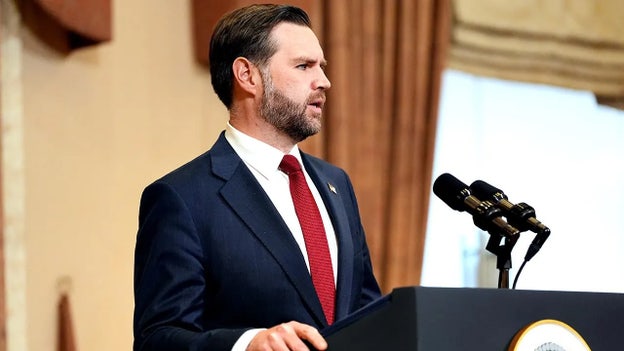
Vice President JD Vance presented a “final offer” to Iran during negotiations in Islamabad Saturday, outlining six U.S. “red lines,” according to U.S. officials.
The demands included an end all uranium enrichment, dismantling all major nuclear facilities and retrieving highly enriched uranium.
The fourth was to accept a broader regional peace and de-escalation framework that includes regional allies. This was followed by stopping funding proxy groups including Hamas, Hezbollah and the Houthis.
The sixth demand was to fully open the Strait of Hormuz, charging no tolls for passage.
Talks between the U.S. and Iran lasted 21 hours, but ended without agreement. Vance confirmed the impasse late Saturday, while President Trump said Sunday that Iran remains unwilling to abandon its nuclear ambitions, leaving tensions unresolved.
Fox's Lucas Tomlinson contributed to this report.
US sends carrier strike group after Iran negotiations end without agreement
The U.S. is deploying a carrier strike group to the Middle East after peace talks with Iran collapsed this weekend.
President Donald Trump ordered a blockade of the Strait of Hormuz after Iran backed out of negotiations in Pakistan, vowing not to allow Tehran to profit off of sending oil to favored countries.