Iran still reviewing US peace offer, says deadlines ‘mean nothing’
Iranian foreign ministry spokesman Esmaeil Baghaei said Tehran is still looking over a proposal from the U.S. in relation to ending the conflict, saying that a response will be given “at the appropriate time,” a report said. Secretary of State Marco Rubio said Friday that the U.S. had been expecting a response from Iran and that, “We should know something today.”
Coverage for this event has ended.
Foreign militias reported manning checkpoints in Tehran
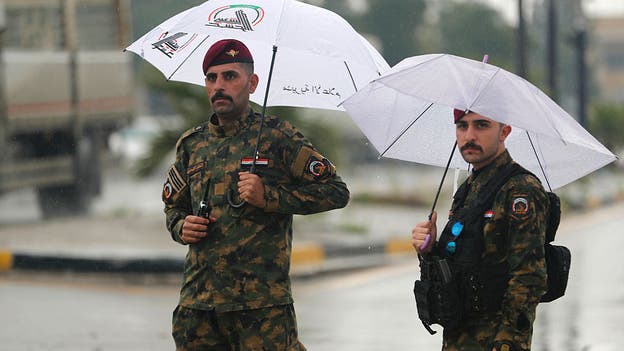
Foreign militia fighters are reportedly manning checkpoints in Tehran alongside Iranian security forces, according to a report by The Telegraph citing resident accounts and videos circulating on social media.
The report says members of Iraq’s Hashd al-Shaabi have been conducting vehicle searches in the capital and other major cities, with residents describing personnel who do not speak Persian and communicate primarily in Arabic.
"Right now, for several nights here, there are people at our neighborhood checkpoint who don’t speak Persian," one Tehran resident said. "They wear Hashd al-Shaabi uniforms and only communicate with gestures and a few broken words."
The Telegraph reported the fighters initially entered Iran in limited numbers during the final days of the war to provide humanitarian support, but have since taken on expanded roles including patrols and checkpoint enforcement.
Additional foreign fighters, including Afghan militias backed by Iran’s Revolutionary Guard, have also reportedly been deployed, though Iranian state media has not acknowledged any security role for these forces.
IRGC missiles ‘locked on’ to US targets, Iran outlets report
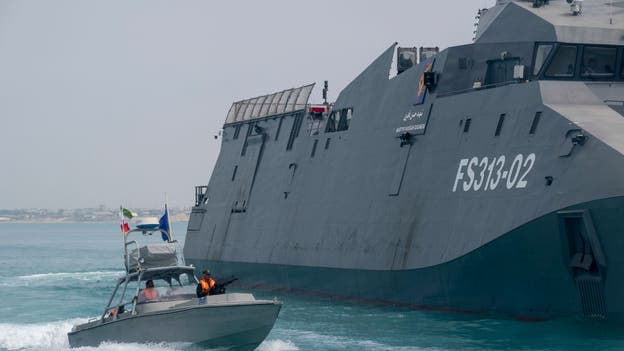
Iranian state media and other outlets reported Saturday that an Islamic Revolutionary Guard Corps commander said missiles and drones were "locked on" to U.S. targets and ships in the region, warning forces were "awaiting the order to fire."
The statement, attributed to IRGC Aerospace Force commander Brig. Gen. Seyyed Majid Mousavi, was carried by Press TV and picked up by other international outlets.
"The missiles and aerospace drones are locked on the enemy and we are waiting for the firing order," Mousavi said in a statement posted on social media, according to the reports.
The warning comes amid escalating tensions in the Persian Gulf following recent U.S. strikes on Iranian vessels and ongoing confrontations tied to a blockade of Iranian ports.
Iran’s Revolutionary Guard has previously emphasized its missile and drone capabilities in the region, particularly in the Persian Gulf and Strait of Hormuz, a critical global shipping route and frequent flashpoint for military tensions.
There was no immediate confirmation from U.S. officials.
Putin says Ukraine war ‘coming to an end’ as Trump ceasefire begins
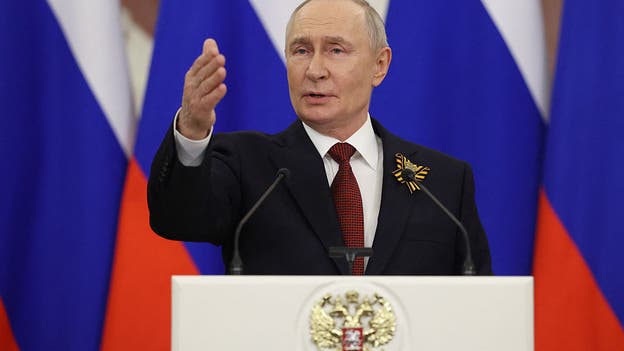
Russian President Vladimir Putin on Saturday said he thinks the war with Ukraine could end soon.
"I think that the matter is coming to an end," Putin told reporters, according to Reuters.
Putin’s words came a day after Trump announced a three-day ceasefire to celebrate the Soviet Union’s victory in World War II, as well as a massive prisoner exchange between both nations.
The ceasefire began on Saturday and will run through Monday, Trump wrote on Truth Social. "The celebration in Russia is for Victory Day but, likewise, in Ukraine, because they were also a big part and factor of World War II."
"This ceasefire will include a suspension of all kinetic activity, and also a prisoner swap of 1,000 prisoners from each country," he added. "This request was made directly by me, and I very much appreciate its agreement by President Vladimir Putin and President Volodymyr Zelenskyy."
The day was celebrated with Russia’s most scaled-back Victory Day parade in years.
The war in Ukraine has dragged on for more than four years after Russia invaded the country in February 2022, with the Kremlin initially believing it could win quickly yet Russia still hasn’t been able to take the entire Donbass region.
This is an excerpt of an article by Fox News Digital's Brie Stimson.
Rubio holds talks with Qatari PM on defense, regional coordination
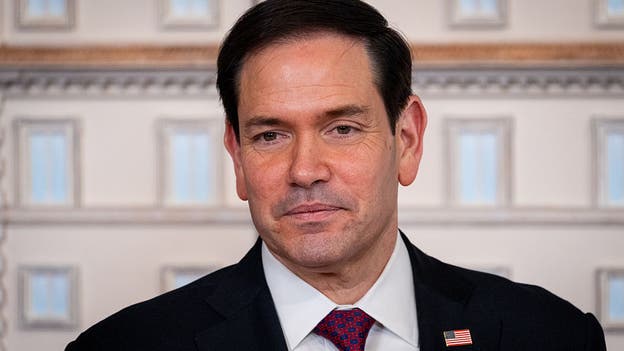
Secretary of State Marco Rubio met with Qatar’s prime minister on Saturday, underscoring ongoing U.S. coordination with a key regional partner.
Rubio spoke with Prime Minister and Foreign Minister Mohammed bin Abdulrahman Al Thani, according to a State Department readout.
The two discussed U.S. support for Qatar’s defense and the importance of continued coordination to deter threats and promote stability across the Middle East.
Qatar has played an increasingly prominent role in regional diplomacy, serving as a key interlocutor for Washington on a range of issues.
The meeting comes amid heightened tensions in the region, with the U.S. working alongside partners to manage ongoing conflicts and prevent further escalation.
Top US officials meet Qatari PM as Iran deal talks intensify
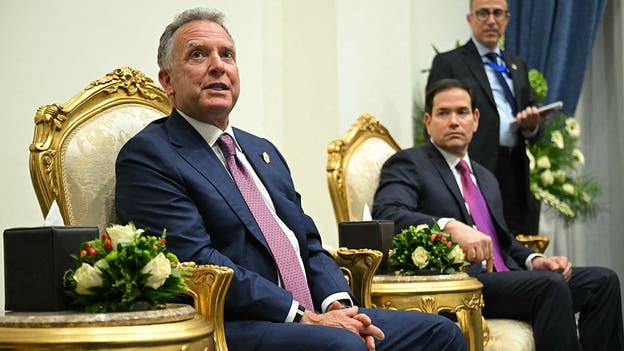
Top U.S. officials met with Qatar’s prime minister in Miami on Saturday as Washington pushes for a deal to end the war with Iran, according to Axios, citing sources familiar with the talks.
Secretary of State Marco Rubio and White House envoy Steve Witkoff held discussions with Prime Minister Mohammed bin Abdulrahman al-Thani, who has emerged as a key intermediary between the U.S. and Iran.
The meeting comes as the two sides negotiate a framework agreement aimed at halting the conflict and setting the stage for broader talks.
The U.S. is still awaiting Iran’s latest response, Axios reported.
Qatar has taken on a growing role in the negotiations behind the scenes, with U.S. officials viewing Doha as an effective channel for communication with Tehran.
IRGC threatens ‘heavy assault’ on US base after tanker strikes
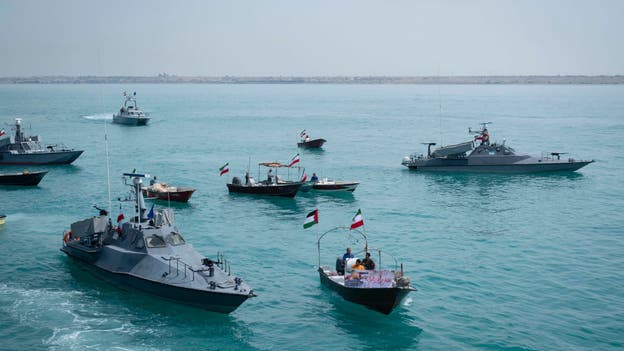
Iran’s Revolutionary Guard warned Saturday it would launch a "heavy assault" on a U.S. base and American ships if its oil tankers are targeted, escalating tensions despite a fragile ceasefire.
The threat came a day after U.S. forces struck two Iranian oil tankers, which the military said were attempting to breach its blockade of Iranian ports.
The warning underscores growing strain on the month-old ceasefire, which Washington maintains is still in effect even as clashes continue at sea and across the region.
Separately, Bahrain said it arrested 41 people it alleges are linked to Iran’s Revolutionary Guard and were collecting funds to support its operations. The Gulf nation hosts the U.S. Navy’s Fifth Fleet.
The developments come as Washington awaits Tehran’s response to a proposal aimed at ending the conflict, reopening the Strait of Hormuz and curbing Iran’s nuclear program.
Iran deal must close plutonium loophole for nuclear bombs, experts warn
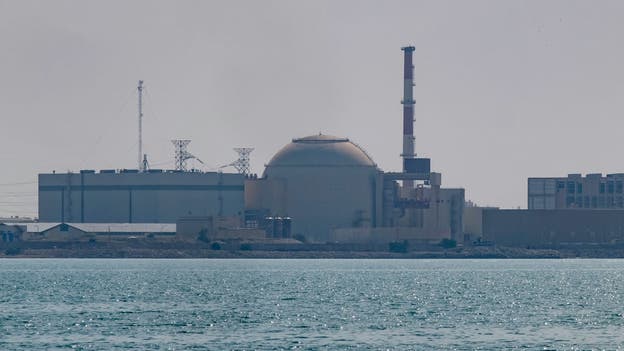
Nuclear weapons experts are raising the alarm bells over the pressing need for the Trump administration to codify in any new deal a ban on Iran’s attempts to use plutonium from its facilities to build an atomic bomb.
The administration and non-proliferation experts have largely focused on the Islamic Republic’s atomic weapons facilities that use uranium as the material for building nuclear bombs. Tehran could take advantage of this blind spot and covertly build a plutonium-based nuclear weapon.
Jason Brodsky, policy director at United Against Nuclear Iran (UANI), told Fox News Digital: "I do believe any proposed deal with Iran needs to address the plutonium pathway to nuclear weapons. Israel struck the Arak heavy water reactor twice over the last year — in June 2025 and in March 2026. Intelligence suggested Iran had repeatedly attempted to reconstruct the facility even after the bombing, so any deal with Iran should cover the plutonium pathway."
Iran’s regime could use plutonium from spent fuel at its nuclear reactor at Bushehr to build an atomic weapons device, according to Henry Sokolski, the executive director of the Nonproliferation Policy Education Center and former deputy for nonproliferation policy in the Department of Defense (1989–1993).
Writing last month on the website of Real Clear Defense, he noted "Washington should make sure that Iran doesn’t remove Bushehr’s spent fuel and strip out the plutonium. This can and should be done without bombing the plant."
Sokolski wrote the "Pentagon should watch to make sure Iran does not remove any of the spent fuel at Bushehr. It could do this with space surveillance assets or, as it did in 2012, with drones. Second, any ‘peace’ deal President Trump cuts with Tehran should include a requirement that there be near-real-time monitoring of the Bushehr reactor and spent fuel pond, much as the IAEA had in place with Iran’s fuel enrichment activities."
This is an excerpt of an article by Fox News Digital's Benjamin Weinthal.
Israeli strikes kill at least 12 in Lebanon as ceasefire unravels
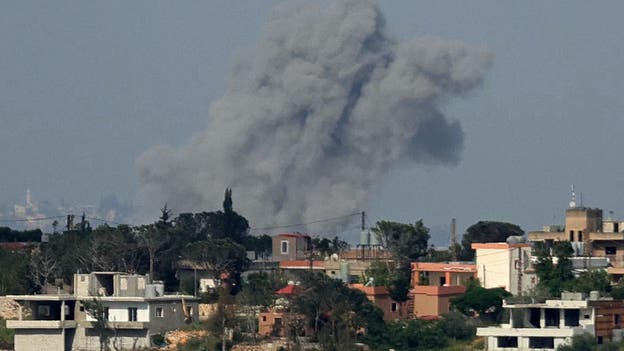
Deadly clashes between Israel and Hezbollah intensified Saturday, with Lebanese officials reporting at least 12 people killed in Israeli strikes as a fragile ceasefire continued to break down.
The violence comes weeks after a truce announced by President Donald Trump on April 16, which has since eroded into ongoing cross-border attacks, albeit at a lower intensity.
The Israel Defense Forces said Hezbollah launched multiple explosive drones and rockets toward Israeli troops, wounding three reservists, including one seriously.
In response, Israeli forces targeted what they described as Hezbollah infrastructure in southern Lebanon, carrying out strikes after warning civilians to evacuate several areas.
Lebanese state media reported civilian casualties in some locations that were not under evacuation orders. The IDF said it was reviewing those claims.
The latest exchange underscores how both sides have continued near-daily attacks despite the ceasefire, raising concerns that the fighting could escalate further.
Israel built secret Iraq outpost to back Iran air campaign: report
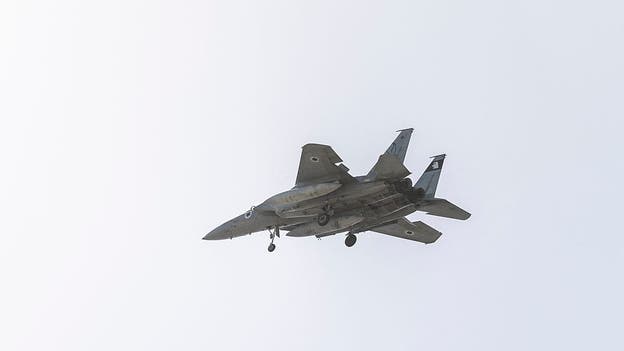
Israel secretly operated a military base inside Iraq to support its air war against Iran, according to a Wall Street Journal report citing U.S. officials and other sources.
The base, set up in Iraq’s western desert shortly before fighting began in late February, served as a logistics hub for Israeli Air Force operations and housed special forces and search-and-rescue teams.
The operation was nearly exposed in early March when Iraqi forces approached the area. Israeli troops responded with airstrikes that killed one Iraqi soldier, according to Baghdad.
Iraq initially blamed the strike on the United States before later calling it an unauthorized operation carried out without coordination. U.S. officials told the Journal that American forces were not involved.
"It appears there was a certain force on the ground before the strike, supported from the air, operating beyond the capabilities of our units," a senior Iraqi military official said at the time.
The Israel Defense Forces declined to comment.
Iran reviewing US offer while warning Strait attacks 'cannot be ignored'
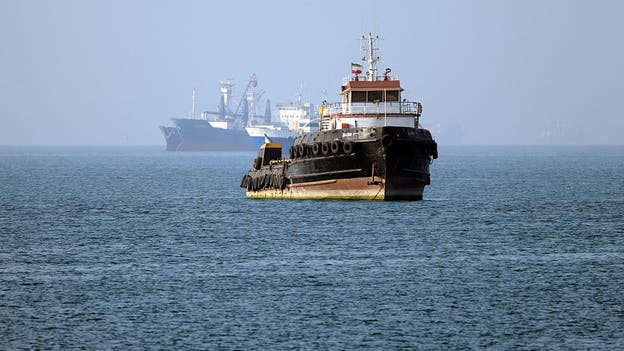
Iran signaled it is considering a U.S. proposal aimed at easing tensions, even as officials accuse Washington of escalating the conflict in the Strait of Hormuz.
Ali Safari, an adviser to Iran’s Foreign Ministry spokesperson, said Tehran is reviewing the offer but remains deeply skeptical of U.S. intentions after recent confrontations in the region.
"We are reviewing their proposal," Safari said, noting that Iran has received messages through multiple channels suggesting the U.S. is seeking to avoid further military escalation.
Despite that, Safari argued that U.S. actions in the Strait forced Iran to respond and warned that continued pressure from Washington risks undermining any diplomatic progress.
"The attacks can no longer be ignored," he said, adding that the U.S. "cannot again use the Strait of Hormuz to attack Iran and the countries of the region."
Safari said Iran’s immediate focus is ending the conflict and restoring normal shipping through the waterway, a critical route for global energy supplies.
He also tied broader regional tensions into the negotiations, saying Tehran is engaged with officials in Lebanon and views any resolution as extending beyond a single front.
"When we say ending the war, we mean all fronts, especially Lebanon," he said.
Safari further criticized regional governments supporting a United Nations Security Council draft resolution targeting Iran, accusing them of enabling U.S. military action. He singled out the United Arab Emirates as among those he said had taken part.
Rep. Adam Smith says Trump blockade on Iran is 'act of war,' not ceasefire
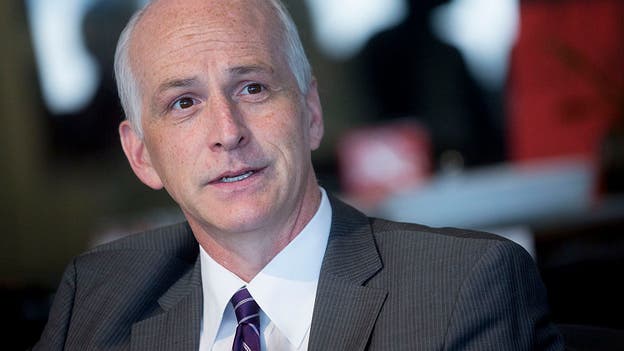
Rep. Adam Smith (D-Wash.), the ranking member of the House Armed Services Committee, said Saturday the U.S. remains locked in conflict with Iran despite a shift in military strategy.
Speaking on MSNBC’s "The Weekend," Smith argued that moving from a bombing campaign to a naval blockade has not brought the U.S. closer to ending the conflict.
"We are stuck because Iran doesn't wanna negotiate about what we wanna negotiate," Smith said. He added that the president initially believed a "four to six week bombing campaign" would force Iran to "buckle," but that outcome never materialized.
Smith said that after weeks of bombing failed to achieve U.S. objectives, the strategy shifted to a blockade — which he emphasized is not a step toward peace.
"The blockade is now the fight," Smith said, adding that a blockade can require the use of force and "is an act of war." He stressed that the situation does not amount to a ceasefire, but rather a continuation of hostilities under a different approach.
Smith also pointed to the human and economic toll of the conflict, citing U.S. service member deaths, civilian casualties and broader global economic strain.
Qatari tanker sailing toward Strait of Hormuz: report
A Qatari liquefied natural gas (LNG) tanker is sailing toward the Strait of Hormuz on Saturday as it heads to Pakistan, a report said.
If the Al Kharaitiyat passes through the key waterway, it would be the first time a Qatari LNG tanker has transited the Strait of Hormuz since the beginning of the war against Iran, according to Reuters.
The ship left Qatar’s Ras Laffan energy hub and is moving towards Port Qasim in Pakistan, Reuters reported, citing LSEG shipping data.
Tensions remain high in the Strait of Hormuz as the U.S. and Iran recently exchanged fire.
Three U.S. guided-missile destroyers targeted by Iran on Thursday faced non-stop incoming fire as they traversed 500 miles through the Persian Gulf and the Strait of Hormuz, a senior U.S. official had told Fox News on Friday.
Fox News’ Liz Friden contributed to this report.
Israel’s military strikes 'loaded and ready-to-use' Hezbollah launchers in Lebanon
The Israel Defense Forces announced fresh strikes Saturday against Hezbollah terrorist infrastructure, including “two loaded and ready-to-use launchers in southern Lebanon.”
“One of the launchers had previously fired toward IDF soldiers operating in southern Lebanon, while another had launched rockets toward the State of Israel,” the IDF said.
“A short while ago, the IDF struck weapons storage facilities and a drone launch position used by the Hezbollah terrorist organization to launch drones toward IDF soldiers operating in southern Lebanon,” the IDF added.
Earlier Saturday, the IDF said multiple soldiers were injured after “explosive drones launched by the Hezbollah terrorist organization fell within Israeli territory, in proximity to the Israel-Lebanon border.”
Fox News’ Yonat Friling contributed to this report.
As Trump forces NATO to pay up, alliance races to close military gap with US
NATO has become a "bloated architecture" too dependent on American military power, former senior national security advisor Keith Kellogg told Fox News Digital.
As President Donald Trump pressures NATO allies to spend more on defense — ordering the withdrawal of 5,000 U.S. troops from Germany and signaling possible cuts in Spain and Italy — a deeper concern is emerging inside the alliance: despite years of rising European defense budgets, NATO still depends heavily on American military power, from missile defense and intelligence to logistics and nuclear deterrence.
The growing gap between political commitments and real military capability is now fueling calls for structural changes inside the alliance as NATO confronts mounting threats from Russia and instability in the Middle East.
NATO’s imbalance is not theoretical — and it is not new, retired Lt. Gen. Keith Kellogg told Fox News Digital, "I told the president… maybe you ought to talk about a tiered relationship with NATO," Kellogg described conversations with Trump in his first term about the alliance’s future. "…we need to develop a new, for lack of a better term, a new NATO a new defensive alignment with Europe."
Kellogg added the alliance has expanded politically but not militarily — creating what he sees as a growing gap between commitments and real capability.
Inside the US military playbook to cripple Iran if nuclear talks collapse
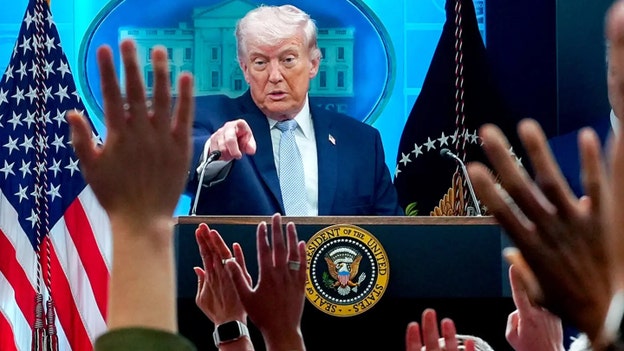
If negotiations with Iran collapse, the U.S. likely is to move quickly to degrade Tehran’s military capabilities — a campaign analysts say would begin with missile systems, naval assets and command networks before escalating to more controversial targets.
Negotiators are still working toward what officials describe as a preliminary framework agreement — effectively a one-page starting point for broader talks centered on Iran’s nuclear program and potential sanctions relief. But deep mistrust on both sides has left the process fragile, raising the stakes if diplomacy fails.
"We’re not starting at zero," retired Army Lt. Col. Seth Krummrich, a former Joint Staff planner and current global risk analyst, told Fox News Digital. "We’re both starting at minus 1,000 because neither side trusts each other at all. This is going to be a pretty hard process going forward."
That tension was on display Thursday, when a senior U.S. official confirmed American forces struck Iran’s Qeshm port and Bandar Abbas — key locations near the Strait of Hormuz — while insisting the operation did not mark a restart of the war or the end of the ceasefire.
The strike on one of Iran’s oil ports came two days after Iran launched 15 ballistic and cruise missiles at the UAE’s Fujairah Port, drawing anger from Gulf allies. Defense Secretary Pete Hegseth and Joint Chiefs Chairman Gen. Dan Caine said earlier this week the attack did not rise to the level of breaking the ceasefire, describing it as a low-level strike.
President Donald Trump repeatedly has warned that if negotiations collapse, the U.S. could resume bombing Iran — even signaling before the recent ceasefire was implemented that Washington could target the country’s energy infrastructure and key economic assets. But any escalation would likely unfold in phases, beginning with efforts to dismantle Iran’s ability to project force across the region before expanding to more controversial targets.
Multiple Israeli soldiers injured from ‘explosive drones’ launched by Hezbollah, IDF says
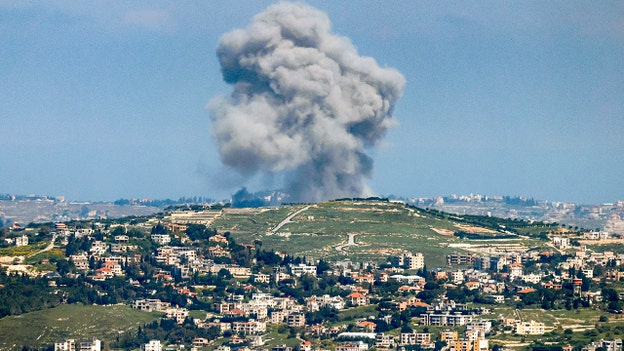
The Israel Defense Forces announced Saturday that multiple soldiers were injured after “explosive drones launched by the Hezbollah terrorist organization fell within Israeli territory, in proximity to the Israel-Lebanon border.”
“In one of the incidents, a reservist was severely injured, while a reservist officer and another reservist were moderately injured. The soldiers were evacuated to a hospital [to] receive medical treatment, and their families have been notified,” the IDF said in a statement. “This incident constitutes another violation of the ceasefire understandings by the Hezbollah terrorist organization.”
The IDF also said the Israeli Air Force “intercepted several projectiles launched by Hezbollah toward IDF soldiers operating in southern Lebanon,” although no injuries were reported there.
Hezbollah is backed by Iran.
Fox News’ Yonat Friling contributed to this report.
58 commercial ships redirected, 4 disabled during Iranian port blockade, CENTCOM says
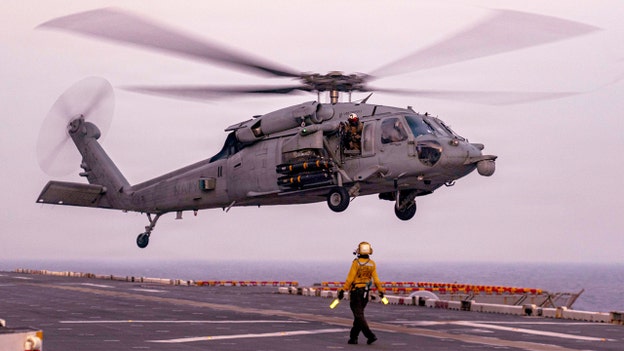
U.S. Central Command said Saturday that American forces “have redirected 58 commercial vessels and disabled 4 since April 13 to prevent the ships from entering or leaving Iranian ports.”
“The U.S. Naval blockade against Iran continues be to fully enforced,” CENTCOM added.
The latest two ships disabled were the M/T Sea Star III and M/T Sevda on Friday.
CENTCOM said it “enforced blockade measures against two Iranian-flagged unladen oil tankers attempting to pull into an Iranian port on the Gulf of Oman.”
“A U.S. Navy F/A-18 Super Hornet from USS George H.W. Bush (CVN 77) disabled both tankers after firing precision munitions into their smokestacks, preventing the non-compliant ships from entering Iran,” it added.
German chancellor admits NATO faces 'challenges,' says allies share US goals on war and Iran nukes
German Chancellor Friedrich Merz reportedly admitted that NATO is facing internal "challenges" but said the alliance shares the United States' goal of ending the war and preventing the Iranian regime from obtaining a nuclear weapon.
"We are really willing to keep this alliance alive for the future," Merz said Saturday during a press conference alongside Swedish Prime Minister Ulf Kristersson, according to Reuters.
"We know that there are some differences. We know that we are seeing challenges, all of us, but our final goal is to bring this conflict to an end and to guarantee that Iran is not able to produce nuclear weapons," Merz said. "And this goal is a common goal between America and Europe."
The German leader made the remark as President Donald Trump has been calling on NATO allies to spend more on defense. Trump has also slammed NATO in recent months, accusing the alliance of not supporting the war in Iran. In March, in a post on Truth Social, he called NATO a “paper tiger” that doesn’t want to help open the Strait of Hormuz.
NATO members the United Kingdom and France have deployed warships in recent days on missions dedicated to helping reopen the Strait of Hormuz.
Qatar says US and Iran must prevent ‘renewed escalation’
Qatar’s Ministry of Foreign Affairs released a statement Saturday calling on the U.S. and Iran to “respond positively” to mediation efforts and prevent “renewed escalation” following flare-ups in the Strait of Hormuz.
The Ministry said Qatar’s prime minister and minister of foreign affairs Sheikh Mohammed bin Abdulrahman bin Jassim Al-Thani received a phone call Saturday from his Egyptian counterpart, Badr Abdelatty.
The two discussed “developments in the region, particularly those related to the ceasefire between the United States of America and the Islamic Republic of Iran, and efforts aimed at de-escalation, contributing to enhancing security and stability in the region,” the Ministry said.
“During the call, HE Prime Minister and Minister of Foreign Affairs stressed the need for all parties to respond positively to the ongoing mediation efforts to pave the way for addressing the root causes of the crisis through peaceful means and dialogue, leading to a sustainable agreement that prevents renewed escalation,” the Ministry added.
UK sending 'fearsome' warship to Middle East ahead of possible Strait of Hormuz mission
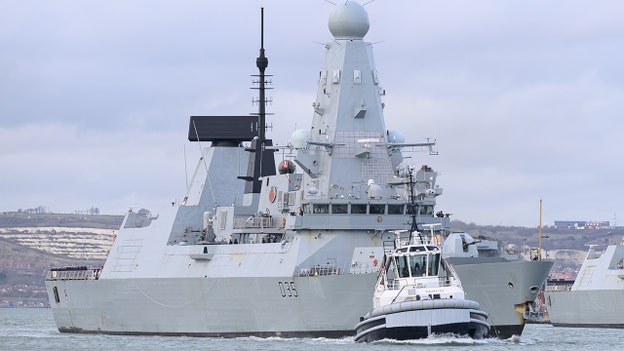
The United Kingdom is deploying its HMS Dragon warship to the Middle East ahead of a possible mission to secure the Strait of Hormuz.
A Ministry of Defense spokesperson told Bloomberg that “The pre-positioning of HMS Dragon is part of prudent planning that will ensure that the UK is ready, as part of a multinational coalition jointly led by the UK and France, to secure the Strait, when conditions allow."
The Royal Navy says the HMS Dragon, a Type 45 air defense destroyer, is "one of the most advanced warships in the world."
"HMS Dragon's main role is air defense: providing protection to her fellow ships by detecting, interrogating and neutralizing enemy threats with the fearsome Sea Viper anti-air missile system," it said on its website.
The office of French President Emmanuel Macron announced Wednesday that the country’s only aircraft carrier, the Charles de Gaulle, is also heading toward the southern Red Sea ahead of a possible mission to reopen the Strait of Hormuz, a report said.
The news agency AFP cited Macron’s office as saying that the move is intended to send “a signal that not only are we ready to secure the Strait of Hormuz but that we are also capable of doing so".
Fox News Digital's Robert McGreevy contributed to this report.
Russia, Saudi Arabia discuss Hormuz tensions, as Moscow pushes 'sustainable long-term agreement'
Russia's foreign minister had a phone call with his Saudi Arabian counterpart on Friday as a fragile ceasefire holds in the Middle East despite heightening tensions with the U.S. and Iranian forces in the Strait of Hormuz.
Russian Foreign Minister Sergey Lavrov and Saudi Foreign Minister Faisal bin Farhan Al Saud had a telephone discussion "focused on the situation in and around the Strait of Hormuz," Russia' foreign ministry said in a statement.
"Both sides spoke in favour of preventing a return to escalation and stressed the need to continue ongoing diplomatic contacts aimed at reaching a sustainable long-term agreement on all aspects of resolving the crisis as soon as possible," the statement said.
"Particular emphasis was placed on the need to restore freedom of navigation to the state in which it existed prior to the end of February," Russia's foreign ministry added. "The sides also noted the importance of resuming efforts towards the comprehensive long-term normalisation of relations between Iran and the Arab monarchies."
"The Russian side reaffirmed its readiness to facilitate progress on these tracks while taking into account the interests of all parties involved," it added.
The Trump administration said it is waiting for Iran's formal response to a new peace proposal and assist the ceasefire remains in place despite new clashes. U.S. Central Command said Friday that there are more than 70 tankers that U.S. forces are preventing from entering or leaving Iranian ports as the blockade remains in effect.
IDF finds ‘explosive drone’ launched by Hezbollah in northern Israel
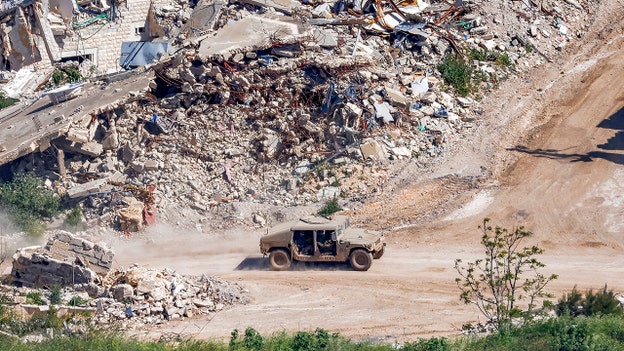
The Israel Defense Forces said it found an “explosive drone launched by the Hezbollah terrorist organization” in northern Israel on Saturday.
“Security forces are currently operating at the scene to neutralize the drone,” the IDF said in a statement, adding that no injuries or damage were reported.
The development comes as the IDF issued a fresh warning for residents of multiple towns and villages in southern Lebanon to evacuate ahead of anticipated military action.
“In light of the terrorist Hezbollah's violation of the ceasefire agreement, the Defense Army is compelled to act against it forcefully. The Defense Army does not intend to harm you,” IDF Arabic spokesperson Avichay Adraee wrote on X.
“For your safety, you must evacuate your homes immediately and stay away from the villages and towns by a distance of no less than 1,000 meters to open areas,” he added. “Anyone present near Hezbollah elements, their facilities, and their combat means exposes their life to danger!”
Fox News' Yonat Friling contributed to this report.
Bahrain arrests 41 people allegedly linked to Iran’s Islamic Revolutionary Guard Corps
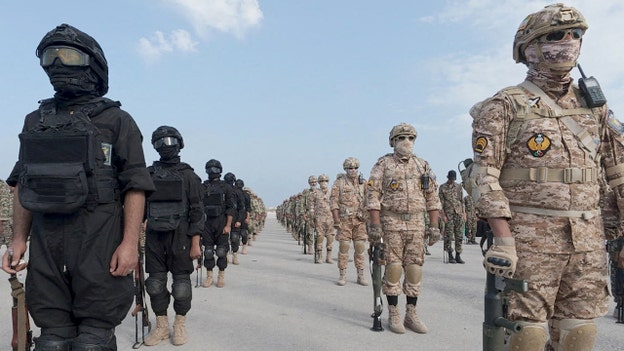
Bahrain announced Saturday that it has detained dozens of people allegedly linked to Iran’s Islamic Revolutionary Guard Corps (IRGC), reports said.
Bahrain state media described the 41 arrested as individuals who worked at the “core” of the Iranian terrorist organization in Bahrain, accusing the suspects of "espionage with foreign entities and sympathy with blatant Iranian aggression,” according to Reuters.
"Investigations continue to take the necessary measures against anyone found to be involved in the activities of this organization and to have committed illegal acts," Bahrain’s Interior Ministry reportedly added.
Iran has targeted Bahrain and other Middle Eastern neighbors since the start of Operation Epic Fury on Feb. 28.
US military staying 'mission ready' during conflict with Iran
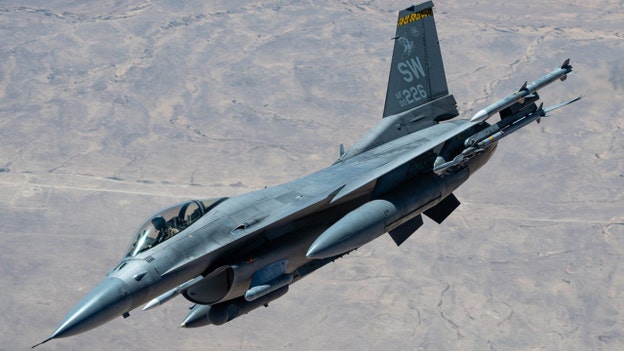
U.S. Central Command released a photo of an Air Force F-16 fighter jet flying in airspace over the Middle East, vowing that "U.S. forces across the region remain mission ready" during the conflict with Iran.
The U.S. and Iran are still in a ceasefire during Operation Epic Fury, despite recent flare-ups in the Strait of Hormuz. A U.S. military blockade of Iranian ports remains ongoing Saturday.
CENTCOM had said Friday that a U.S. fighter jet disabled the vessels M/T Sea Star III and M/T Sevda prior to them “entering an Iranian port on the Gulf of Oman in violation of the ongoing U.S. blockade.”
“A U.S. Navy F/A-18 Super Hornet from USS George H.W. Bush (CVN 77) disabled both tankers after firing precision munitions into their smokestacks, preventing the non-compliant ships from entering Iran,” CENTCOM said in a statement.
Iranian official claims Mojtaba Khamenei suffered only minor injuries in Feb. 28 strike
A senior Iranian official on Friday claimed Mojtaba Khamenei, the son of Iran’s supreme leader, suffered only minor injuries during the Feb. 28 airstrikes that reportedly killed his father and wife, while dismissing rumors of a serious head injury as “lies.”
Mazaher Hosseini, described by Iran International English as a senior official in the office of Iran’s supreme leader, said Mojtaba Khamenei injured his kneecap, back and the area behind his ear in the strike but is now in “full health.”
The comments appeared aimed at countering persistent online speculation surrounding Mojtaba Khamenei’s condition following Feb. 28 attacks under Operation Epic Fury.
Iranian state-linked officials have offered little public information about the aftermath of the strikes, and Fox News Digital has not independently verified Hosseini’s claims or the extent of Mojtaba Khamenei’s injuries.
Iran still looking over US peace proposal, says deadlines ‘mean nothing’: report
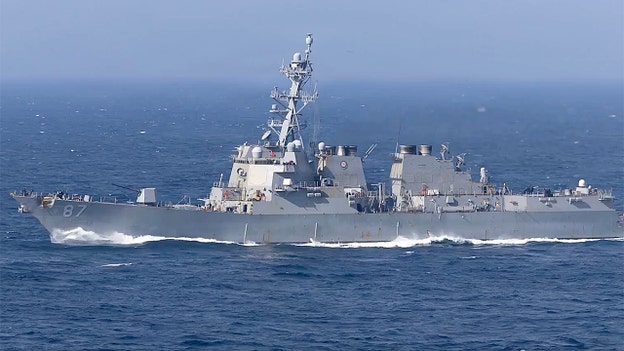
Iranian foreign ministry spokesman Esmaeil Baghaei said Tehran is still reviewing a peace offer from the U.S. regarding an end to the war and that it would send a response “at the appropriate time,” a report said.
The comments from Baghaei come after Secretary of State Marco Rubio said Friday that the U.S. was expecting a response from Iran today.
"We should know something today. I mean, we're expecting a response from them,” Rubio said. “We'll see what the response entails. And the hope is that something that it can put us into a serious process of negotiation.”
However, Baghaei said Tehran would not respond to “deadlines or ultimatums” and that they “mean nothing” to Iran, according to the Middle East Eye.
President Donald Trump also said Friday the U.S. will “find out soon enough” whether Iran is deliberately “slow rolling” its response to the American proposal as tensions remain high following clashes in the Strait of Hormuz.
Yesterday's Fox News Digital liveblog has additional coverage of the Iran conflict.
Fox News Digital's Jasmine Baehr contributed to this report.
Live Coverage begins here