
























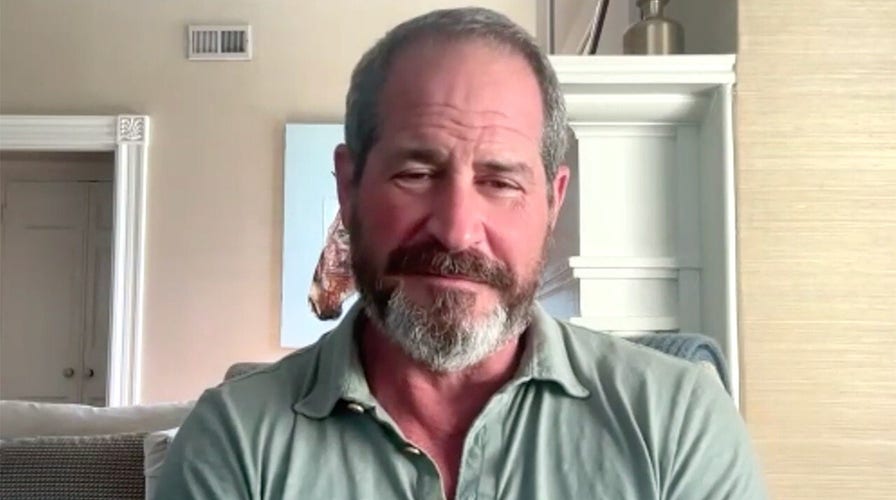
Why small fitness steps could lead to a longer life, according to Dr. Jeremy London
Board-certified cardiothoracic surgeon Dr. Jeremy London, based in Savannah, Georgia, explains why VO2 max and muscle mass are the main indicators of longevity.
After a minor stroke, there are several risk factors that can predict another event, according to new research.
A study published in the journal Circulation by the American Heart Association investigated what happens after someone has a transient ischemic attack (TIA), also known as a "mini-stroke."
This was a follow-up to the previous PERSIST study, which found that stroke risk persisted after the typical 90-day monitoring window.
NEARLY 90% OF AMERICANS AT RISK OF SILENT DISEASE — HERE'S WHAT TO KNOW
The Canada-based researchers measured long-term risk, finding that individuals who experience a minor stroke face an elevated chance of a recurrence for at least 10 years.
The systemic review included 28 observational studies with more than 86,000 participants who were followed for at least one year after experiencing a minor stroke. The median age was 69 and 57% of them were men.

Researchers discovered that people who had smaller strokes were at a high risk of experiencing another event in the 10 years following. (iStock)
The review identified the following five key factors that may predict another stroke.
- Hypertension (high blood pressure) is the most important modifiable risk factor for stroke, according to the American Stroke Association.
- Smoking is another leading modifiable cause, roughly doubling the risk of a repeat stroke, per the above source.
- Cardioembolism is a type of stroke that occurs when a blood clot forms in the heart and travels to the brain, according to medical experts. This event has a high risk of recurrence compared to other types of strokes.
- Large-artery atherosclerotic stroke occurs when plaque builds up in major arteries, reducing blood flow or sending clots to the brain. It also has a high risk of recurrent stroke, especially in the first days or weeks after the initial event, according to experts.
- Small-vessel disease is a type of stroke that causes damage to the brain’s small penetrating arteries, often due to chronic hypertension and aging. It has a significant risk of recurrence over time, although lower than the previous two types.
CLICK HERE FOR MORE HEALTH STORIES
Older age was also associated with a higher risk.
The researchers said these results can help doctors spot patients who have a long-term risk of stroke, so they can keep a closer eye on them, provide the right treatment, and create more focused ways to prevent strokes.

The five factors that may predict another stroke include hypertension, smoking and three subtypes of stroke. (Justin Tallis, AFP/Getty Images)
Cardiologist Bibhu D. Mohanty, MD, cardiovascular sciences associate professor at University of South Florida, Morsani College of Medicine, was not involved in the research but discussed the findings with Fox News Digital.
CLICK HERE TO DOWNLOAD THE FOX NEWS APP
"This is an interesting meta-analysis that is well-performed technically, in seeking to address a challenging question in a population that is demonstrating early signs of significant stroke risk," he said.
CLICK HERE TO SIGN UP FOR OUR HEALTH NEWSLETTER
Identifying risk factors is an important first step in identifying "actionable intervention," according to Mohanty.
"Now that we know what they are, what can we do about them?" he questioned. "As a medical community, we are all aware that there is considerable overlap in modification of brain health and heart health."

"This highlights the importance of seeking collaborative insight and decision-making amongst cardiologist and neurologists when comprehensively managing patients with stroke or stroke risk," a cardiologist said. (iStock)
The cardiologist said he treats many stroke patients, but was surprised by how many had cardioembolic strokes — caused by clots that form in the heart — on top of common vascular risk factors like high blood pressure and artery plaque.
TEST YOURSELF WITH OUR LATEST LIFESTYLE QUIZ
"From both a clinician and patient perspective, this highlights the importance of seeking collaborative insight and decision-making among cardiologists and neurologists when comprehensively managing patients with stroke or stroke risk," he added.
Fox News Digital reached out to the study authors for comment.
