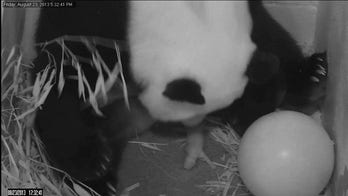
October 21, 2015 Second, stillborn cub born to National Zoo panda A panda at Washington's National Zoo that has been tending to her squealing newborn cub also gave birth to a stillborn cub Saturday that wasn't fully formed and was never alive outside the womb, a zoo official said.
October 21, 2015 'Dragon' corpse washes ashore in Spain Dragon, Loch Ness Monster or really strange fish? Photos of a mystery creature washed ashore on the beaches of Andalusia in Spain have beach goers crying mutant fish.
October 21, 2015 Global warming threatens baby seals As ice levels in the North Atlantic have declined, increasing numbers of seals are ending up stranded along the U.S. East Coast, as far south as the Carolinas, far from where they should be.
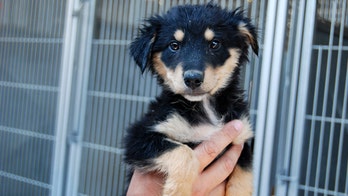
October 21, 2015 American dogs come from Asia European colonization of the Americas brought smallpox, starvation and warfare that decimated indigenous populations -- and dogs.
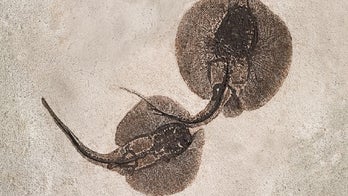
October 21, 2015 Lost world locked in stone at Fossil Lake Over thousands of years, dead animals rained down into the muck deep below the surface of long-gone Fossil Lake.
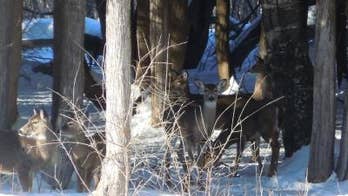
October 21, 2015 Too much deer pee changing northern forests The booming deer population in the northern United States is bad for the animal's beloved hemlocks, a new study finds.
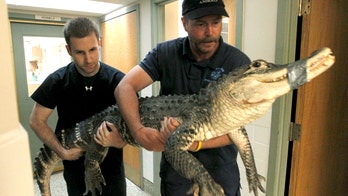
October 21, 2015 7-foot alligator removed from Ohio basement Authorities say animal cruelty charges may be filed against a man who was keeping a 7-foot alligator in his basement in suburban Dayton.
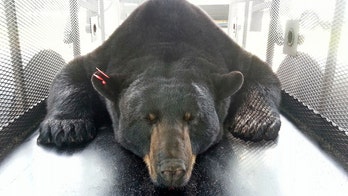
October 21, 2015 Wildlife officials capture largest black bear in Florida history The largest black bear ever captured in Florida has reportedly been relocated after being trapped near the Ocala National Forest.
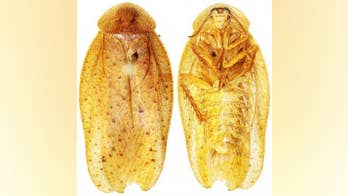
October 21, 2015 Eek! 3 new giant cockroach species found Cockroaches have been crawling on the planet since before the dinosaurs, and today there are more than 4,500 species known to science. Researchers are adding three more to that list.
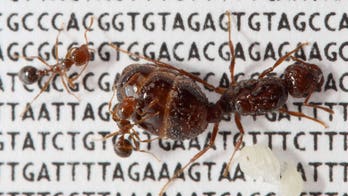
October 21, 2015 Scientists discover 'the Facebook chromosome' Whether fire ants bow to one queen or accept many rulers depends on one long strand of genes, a new study finds -- labeling the gene sequence the first "social chromosome."