October 22, 2015 GPS collars used to end monkey madness in Gibraltar Faced with the problem of wild monkeys causing increasing havoc in urban areas, officials in the tiny British territory of Gibraltar recently turned to GPS technology in an effort to resolve the situation. The post GPS collars used to end monkey madness in Gibraltar appeared first on Digital Trends.
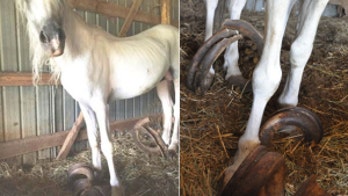
October 21, 2015 Neglected horses had hooves that were 3 feet long A concerned call about the welfare of someone's pet pigeons led to a disturbing discovery in a Maryland stable: three horses in such a severe state of neglect that a local rescue group was absolutely horrified.
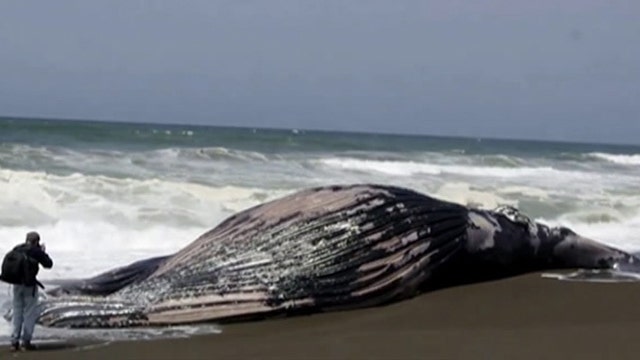
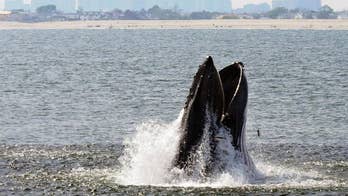
October 21, 2015 Scientists: Ship may have killed humpback whale found on San Francisco Bay Area beach Scientists say a ship may have hit and killed a young humpback whale that washed up at a beach in the San Francisco Bay Area earlier this week.
October 21, 2015 DNA tool helping biologists find elusive or invasive species When salmon, salamanders or other aquatic animals poop or shed skin cells, they leave behind traces of their DNA in the water, like clues left behind at a crime scene.
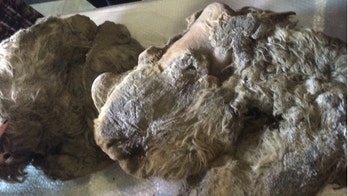
October 21, 2015 First ever remains of baby woolly rhino discovered in Siberia You might have heard of the woolly mammoth, but paleontologists have unearthed a well-preserved baby woolly rhinoceros in Siberia’s Sakha Republic. The remains are believed to be at least 10,000 years old. The first images from the rare find were released by the Academy of Sciences in Yakutsk, which is the capital of the Sakha Republic, reports the Siberian Times. This is the first time that the remains of a baby woolly rhino has been discovered.
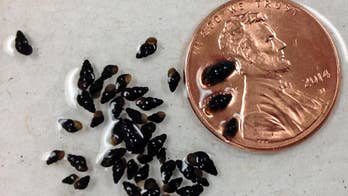
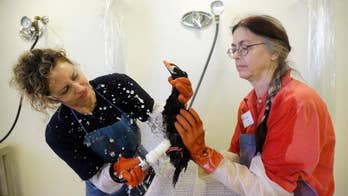
October 21, 2015 Officials begin testing mysterious goo linked to San Francisco Bay Area bird deaths San Francisco Bay Area officials have begun laboratory tests and necropsies on dead seabirds found coated with a mysterious substance that looks and feels like dirty rubber cement.
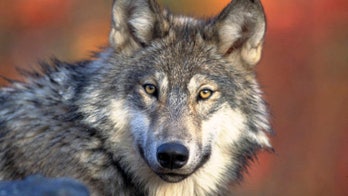
October 21, 2015 Grand Canyon gray wolf may have been shot in Utah After a 500-mile (800 kilometers) trek across the West, a lone wolf's journey may have come to an end this weekend
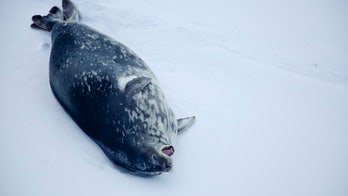
October 21, 2015 Seals may have 'natural GPS' While hunting, Weddell seals have biological adaptations that allow them to dive deep, as much as of hundreds of meters, but also an uncanny ability to find the breathing holes they need on the surface of the ice. Now, researchers supported by the U.S. National Science Foundation (NSF) believe they have figured out they do it: by using the Earth's magnetic field as a natural GPS
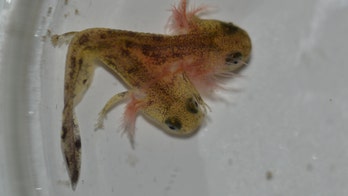
October 21, 2015 Two-headed baby salamander isn't radioactive, but it is weird Just call them "Arne" and "Sebastian." Those are the monikers given to the two separate heads of one baby salamander that was born last week in a lab in Israel.