October 20, 2015 Jurassic Park? Mammoth fragments from Siberia may be clonable Scientists have discovered well-preserved frozen woolly mammoth fragments deep in Siberia that may contain living cells, edging a tad closer to the "Jurassic Park" possibility of cloning a prehistoric animal.
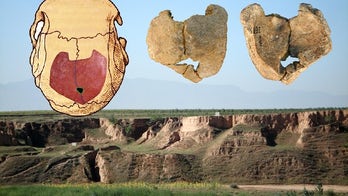
October 20, 2015 Inbreeding common in early humans, deformed skull suggests Inbreeding may have been a common practice among early human ancestors, fossils show.
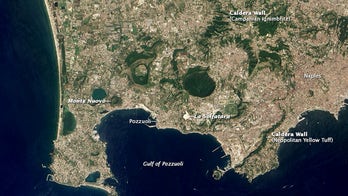
October 20, 2015 Supervolcano cleared in Neanderthals' demise VANCOUVER, British Columbia Neanderthals disappeared from Europe 40,000 years ago, about the same time as the region's biggest volcanic blast in the last 200,000 years.
October 20, 2015 Rare evolutionary twist morphed dino arms into bird wings When dinosaurs evolved into birds, they had to adapt their arms into wings in order to take flight a process that altered their skeletal structure.
October 20, 2015 Cavemen discovered recycling, Israeli researchers say If you thought recycling was just a modern phenomenon championed by environmentalists and concerned urbanites - think again.
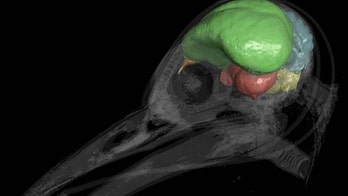
October 20, 2015 Bird brains came before birds Some non-avian dinosaurs, including carnivorous tyrannosaurs, may have had brains that were hardwired for flight long before even the earliest known birds started flapping their wings.
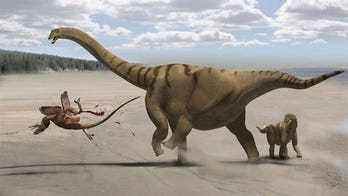
October 20, 2015 How dinosaurs grew the world's longest necks How did the largest of all dinosaurs evolve necks longer than any other creature that has ever lived? One secret: mostly hollow neck bones, researchers say
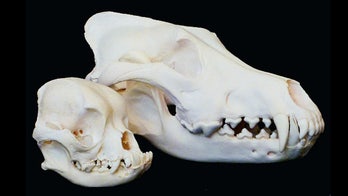
October 20, 2015 The genes behind Fido's facial features Thanks to human breeders, dogs exhibit an impressive variety of skulls. Studying the genes that determine these shapes could provide insight into human development and craniofacial disorders, scientists say.
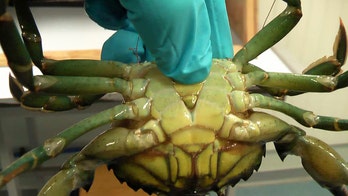
October 20, 2015 Lobsters, crabs feel pain, scientists say Shellfish such as crabs, lobsters and shrimp feel pain, suggests a new study that calls into question how food and aquaculture industries treat these animals.
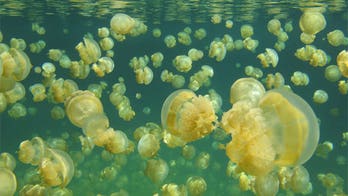
October 20, 2015 Gelatinous menace? Jellyfish on boom-bust cycle worldwide Though some reports suggest jellyfish are taking over the world’s oceans, long-term records of these gelatinous animals fail to show a global increase in jellyfish blooms likely caused by pollution, warming, coastal development and other human influences.