March 24, 2016 Immigrants could cause a superbug apocalypse, scientists warn Immigrants may import dangerous and potentially lethal superbug strains, a medical journal recently warned -- and robots may hold the answer.
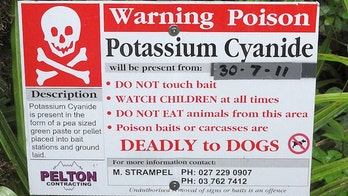
March 24, 2016 With threats of chemical war in Syria, a new antidote to poisonous cyanide attacks Reports suggest that the first chemical weapon has been unleashed in Syria. Chemical weapons like anthrax, sarin, mustard and ricin often make headlines, but some security experts believe the threat from cyanide is real too -- and a new antidote holds promise.
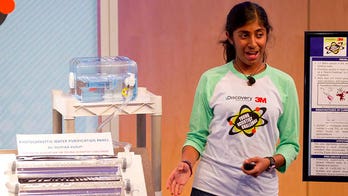
March 24, 2016 Young scientist of the year's invention could clean water for 1.1 billion A New Hampshire 14 year old has won America’s Top Young Scientist prize for her innovative clean water system, which has great potential for people suffering natural disasters and those living in war zones.
March 17, 2016 Professor solves 300-year-old math mystery, wins $700,000 An Oxford professor is now $700,000 richer for solving a 300-year-old math mystery, the Telegraph reports.
March 14, 2016 Neil deGrasse Tyson's tweet about 'painful' animal sex sparks scorn Neil deGrasse Tyson’s recent tweet about ‘painful’ animal sex has sparked criticism, with experts questioning his grasp of biology.
March 10, 2016 Large Hadron Collider results may hint at a new era of physics Are we about to enter a new era of physics? Data collected by the Large Hadron Collider in Switzerland may have identified particle activity that doesn’t fit the standard laws of physics.
March 9, 2016 7th-grader named Goodell tackles 'Deflategate' with science project One youngster decided to take his frustration about the ‘deflategate’ scandal straight to the science fair and won a top spot in the process.
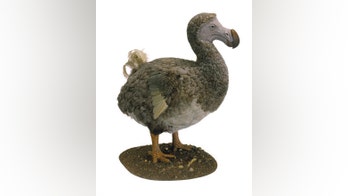
February 23, 2016 Dodos were quite intelligent, study says Is it possible that the dodo bird has been unfairly affiliated with stupidity all this time? New research released by the American Museum of Natural History says signs point to “yes.”
February 17, 2016 Ecological imaging test may determine deadliness of breast cancer Scientists in London have developed an ecological imaging test that may help determine which breast cancers are most likely to be deadly— an analysis that could in turn help doctors tailor individuals’ treatment more effectively.