October 20, 2015 Could humans be cloned? The news that researchers have used cloning to make human embryos for the purpose of producing stem cells may have some people wondering if it would ever be possible to clone a person.
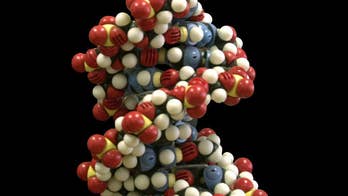
October 20, 2015 Biological computer created with human DNA The transistor revolutionized electronics and computing. Now, researchers have made a biological transistor from DNA that could be used to create living computers.
October 20, 2015 What is nothing? Physicists debate It was all much ado about nothing as physicists and thinkers came together to debate the concept of nothing at the American Museum of Natural History.
October 20, 2015 Whoa! Mutant tadpoles sprout eyeballs on their tails Eyes hooked up to the tail can help blinded tadpoles see, researchers say
October 20, 2015 Identity of famous 19th-century brain discovered The identity of a mysterious patient who helped scientists pinpoint the brain region responsible for language has been discovered, researchers report
October 20, 2015 Science explains, solves jet lag Weary travelers of the world, fret no more! The Jet Lag Rooster will solve your problems. The curiously named website aims to make the traveler’s nightmare a thing of the past.
October 20, 2015 This is your brain on Sesame Street Children aren't the only ones who can learn from Big Bird — brain scans of children and adults watching "Sesame Street" reveal how brains change as they learn reading and math, researchers say.
October 20, 2015 Deadliest sea snake splits in two The deadliest sea snake has a secret — it is actually two sea snake species, as pointed out by Ed Yong in his blog Not Exactly Rocket Science.
October 20, 2015 University of Michigan program aims to bolster scientific basis of Great Lakes cleanup effort The University of Michigan is establishing a research program designed to make sure the federal government bases decisions in its billion-dollar battle to clean up the Great Lakes on solid scien...
October 9, 2015 Study claims to locate genetic differences between gay, straight men A new study claims to have located nine parts of the male genetic code that indicate whether a person is heterosexual or homosexual.