February 27, 2017 Want to know the future? Most people don't, study suggests Despite the popularity of horoscopes, most people don't really want to know their futures, a new study from Europe suggests.
February 10, 2017 What makes women good dancers? Study finds it is all in the hips Researchers may have discovered the secret to turning heads as a woman on the dance floor - and it turns out it is all in the hips.
January 27, 2017 2 days after death, some life continues in body Death is more like the slow shutdown of a computer than the flipping off of a light switch, says a scientist, explaining a new study that shows genes in the body remain alive for about two days after the heart stops.
January 18, 2017 Body armor made from human hair? Here’s something to think about next time you’re in the shower reaching for the shampoo.
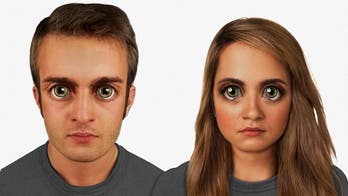
January 4, 2017 Humans in 100,000 years: What will we look like? Homo sapiens have slowly evolved over thousands of millennia, but what happens when modern technology comes into play?
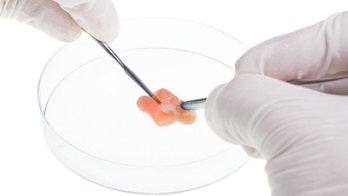
January 4, 2017 Scientists identify new organ in humans A mighty membrane that twists and turns through the gut is starting the new year with a new classification: the structure, called the mesentery, has been upgraded to an organ.
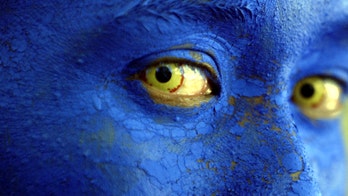
December 27, 2016 Scientists have a theory on why you break eye contact Researchers in Japan suggest there's a surprising neurological reason why people avert their gaze occasionally during conversation.
November 22, 2016 The future of high-tech meat substitutes Today's average American hamburger comes from a cow – but it may not be long before it comes straight from a lab in Silicon Valley.
November 21, 2016 Eating bugs may be on the rise, but artful preparation is still required Insect meat is on the rise. It’s an inexpensive source of low-fat, high-quality, vitamin-and-mineral-packed protein, so it’s unsurprisingly popular in developing countries.
October 26, 2016 Lies breed lies: Brain may get desensitized to dishonesty Dishonesty is a slippery slope: If you behave dishonestly once, you may become more likely to do so again in the future, a new study from England shows.