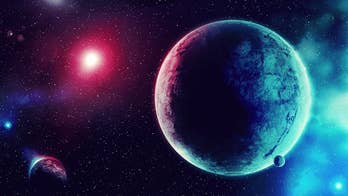
September 26, 2017 Astronomers may have discovered the first exomoon A team of astronomers believe they have spotted the first moon outside our solar system.
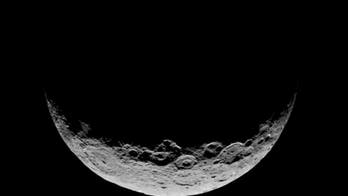
September 26, 2017 Asteroids might start as giant mud balls The most common asteroids in the solar system may have started out as giant balls of mud, rather than as rocks, as scientists previously thought, a new study finds.
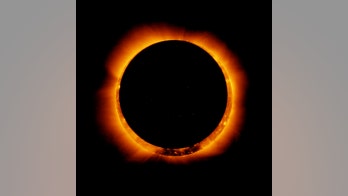
September 26, 2017 The 2017 solar eclipse may prove the Sun is bigger than we think A growing number of researchers think that the sun is actually larger than commonly thought.
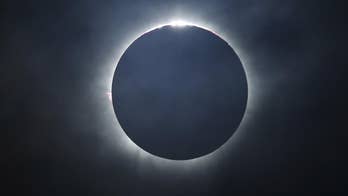
September 26, 2017 Californians urged to save energy during solar eclipse Californians have been asked to save energy during August's eagerly-anticipated solar eclipse to help reduce the strain on the state's solar power resources.
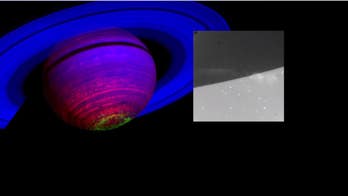
September 26, 2017 Cassini spots 'ghostly curtains of light' near Saturn's south pole The Cassini spacecraft at Saturn recently observed a light show on the planet's southern hemisphere: auroras, glittering in the gaseous atmosphere.
September 26, 2017 NASA shows off Batmobile-like Mars rover prototype NASA showed off its futuristic Mars rover concept vehicle on “Fox & Friends” Tuesday.
September 26, 2017 NASA searches for Planetary Protection Officer to save Earth from alien contamination Looking for a fresh career challenge? NASA is searching for a planetary protection officer to protect Earth from extraterrestrial contamination.
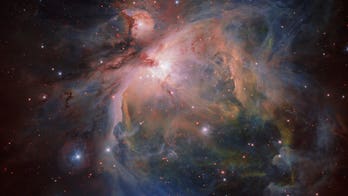
September 26, 2017 Surprise! Orion Nebula cluster had 3 ages of star formation The Orion Nebula is one of the most heavily studied astronomical targets in the night sky, but that doesn't mean it has stopped surprising astronomers.
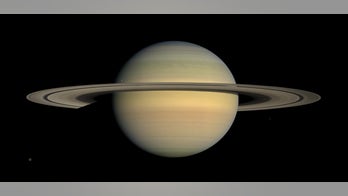
September 26, 2017 Saturn's surprising rings: The fascinating mysteries Cassini has solved Since astronomer Galileo Galilei first noticed something odd about Saturn in 1610, the planet's picturesque rings have posed many fascinating puzzles.
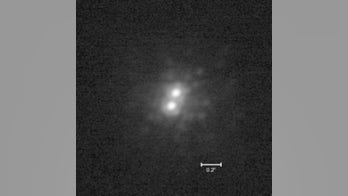
September 26, 2017 Rogue 'double planet' is actually 2 failed stars A pair of objects drifting in interstellar space may look like a rogue "double planet," but it's actually two failed stars, a new study finds.The duo is the most lightweight binary system ever discovered and may be the closest approximation of a free-floating "double planet" that astronomers have found so far.