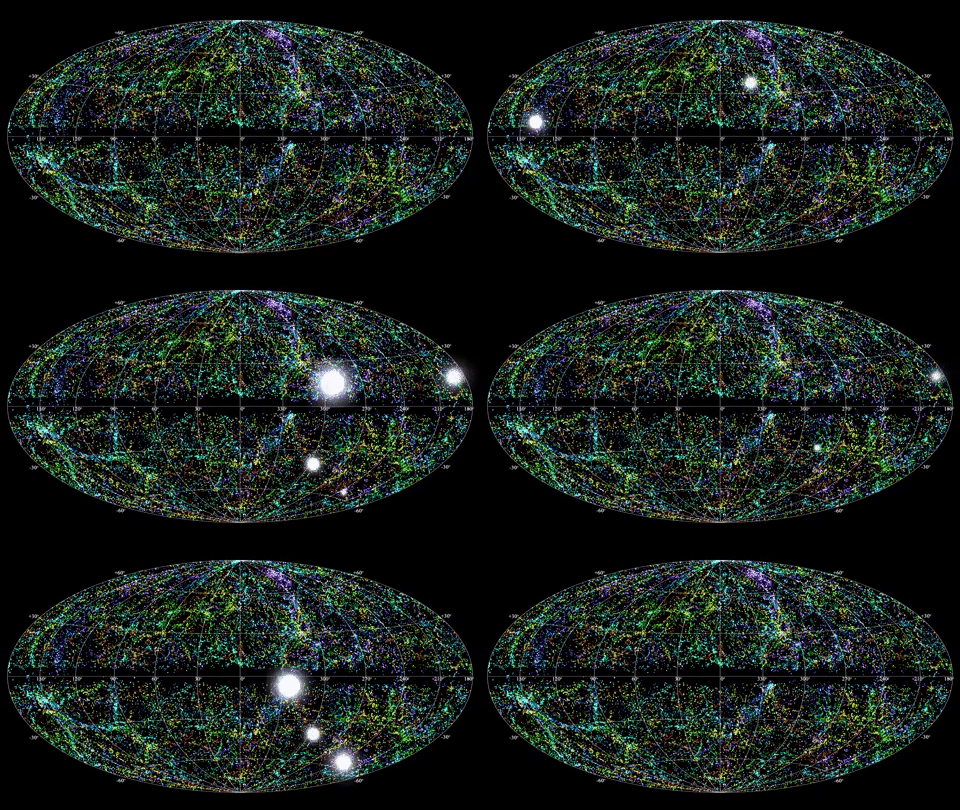
August 26, 2020 Mystery radio signal in deep space shows activity exactly when scientists expected In June, astronomers discovered Fast Radio Burst 121102 had a 157-day repeating schedule. Right on schedule, scientists have detected activity from the mysterious radio signal.
August 25, 2020 Comet NEOWISE survived the sun intact, newly released image shows A newly released image of the comet NEOWISE from the Hubble Space Telescope shows it survived its encounter with the sun intact.
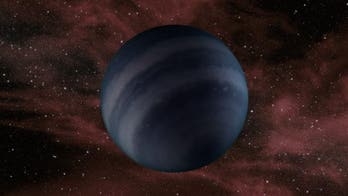
August 24, 2020 95 'cool worlds' discovered in Milky Way near the sun A group of citizen scientists has discovered 95 "cool worlds" near the sun, celestial objects much larger than planets but lighter than stars, known as brown dwarfs, according to a new study.
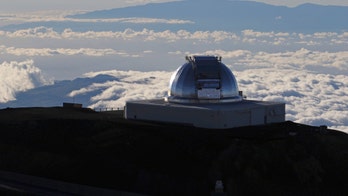
August 21, 2020 Science foundation discusses funding giant Hawaii telescope The National Science Foundation has launched an informal outreach to Hawaii about possible funding efforts for the stalled Thirty Meter Telescope project.
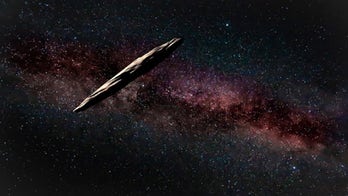
August 19, 2020 Mystery surrounding interstellar 'Oumuamua deepens as researchers challenge earlier theory A newly published study has put the kibosh on the idea that 'Oumuamua is made of molecular hydrogen ice.
August 16, 2020 The universe will end in this way, at this time, researcher says It's not expected to happen anytime soon, but one scientist has calculated when the universe will end.
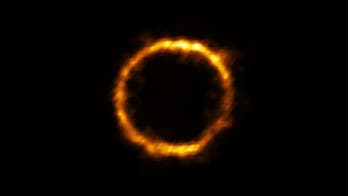
August 13, 2020 'Milky Way look-alike' galaxy found 12B light-years from Earth Astronomers have found a "Milky Way look-alike" galaxy in deep space, 12 billion light-years from our own, according to a new study.
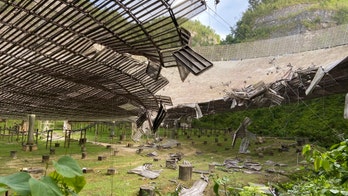
August 12, 2020 Giant Arecibo telescope in Puerto Rico damaged by broken cable The National Science Foundation’s Arecibo Observatory in Puerto Rico has been damaged by a broken cable.
August 11, 2020 Perseid meteor shower on deck: What you need to know Stargazers are in for a treat early Wednesday when the annual Perseid meteor shower reaches its peak.
August 10, 2020 Closest ever, mysterious 'fast radio burst' found 30,000 light-years from Earth Fast radio bursts (FRBs) are often mysterious in nature, but not an uncommon observation in deep space. However, researchers have discovered the first FRB to emanate from the Milky Way galaxy, according to a newly published study.