October 5, 2016 Still unclear which remedies are best for morning sickness Even though nearly all women experience at least a little nausea or vomiting during pregnancy, there isn't much solid evidence to suggest the best treatments, a research review concludes.
October 5, 2016 High resting heart rate tied to African American heart failure risk For African Americans, a high resting heart rate may indicate greater risk of death or hospitalization with heart failure, a recent analysis finds.
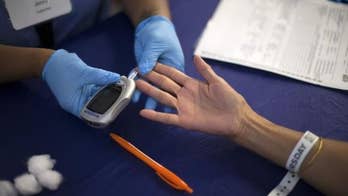
October 4, 2016 Risk test may put too many in unhelpful 'prediabetes' category A widely supported web-based risk test suggests that 8 out of 10 people aged 60 years and older in the U.S. are at high risk for so-called prediabetes - but it may not be helpful to label so many people as "high risk," researchers say.
October 4, 2016 Alternative medicine may be linked to lower vaccination rates Children that visit alternative medical practitioners like acupuncturists and chiropractors may be less likely to receive flu shots than their peers, a U.S. study suggests.
October 4, 2016 4 typical-but-unhealthy breakfast foods you shouldn't feed your kids Breakfast is hailed as the most important meal of the day: It jump-starts the metabolism, reduces afternoon hunger cravings, and provides the energy necessary for a long day.
October 3, 2016 5 worst things in your coffee creamer— and what you should use instead Some people like their coffee black.
September 30, 2016 Labels don't always guarantee foods are free of gluten Some foods that don't appear to contain wheat or gluten based on package labeling may still have trace amounts of these ingredients, a company-funded study suggests.
September 30, 2016 Physical therapy may help kids with constipation Many children with constipation may have an easier time going to the bathroom when potty training is paired with exercises to improve posture and strengthen pelvic muscles, a recent study suggests.
September 30, 2016 It may not be a boy when dad's been exposed to dioxin Men exposed to dioxin, a chemical once common in herbicides, may be less likely to father boys than peers who didn't come in contact with this toxin, a recent study suggests.