Quieting down might save billions in heart disease costs In the loudest parts of the U.S., reducing hazardous noise levels - a risk factor for high blood pressure and heart disease - could save more than $3 billion annually, according to a new economic assessment.
Though effective, medications for alcoholism widely underused by patients Though two types of medications have been shown to be effective for treating alcohol use disorders (AUD), few doctors are prescribing these drugs for patients, new research suggests.
How being in a relationship can affect your health When you’re officially off the market and settled into a comfortable relationship, you may be more apt to let yourself go— to wear sweatpants and eat ice cream on the couch with your significant other.
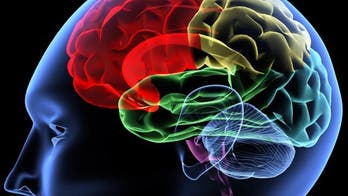
New approach in treating depression tries training the brain Should depression be treated more like a stroke?
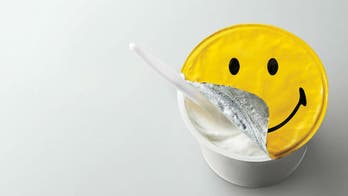
How your diet affects your mood They say you are what you eat, but exciting new research suggests otherwise: You feel what you eat.
Disorder causes woman to perceive facial tumor that isn’t really there When Leigh de Vries looks in the mirror, she sees a heavy tumor that causes the right side of her face to sag from her eyelid past her chin. But to other people, de Vries’ face isn’t deformed at all.
Teens with depression benefit from 'collaborative care' For teenagers with depression, finding and sticking with an effective treatment strategy can be an uphill battle. Their families often struggle to find a professional who can treat depression in adolescents, is accepting new patients and is covered by their insurance
Extreme stress may convert fat into calorie-burning machine Severe stress may cause ordinary white fat cells to morph into energy-burning brown fat, new research suggests
Antidepressants in pregnancy pose little heart risk for fetus, study shows Records from nearly a million women and their newborn children offer new evidence that common antidepressants taken during pregnancy do not increase the risk of having a baby with a heart defect.
Computer games better than medication in treating elderly depression Computer games could help in treating older people with depression who haven't been helped by antidepressant drugs or other treatments for the disorder, researchers say