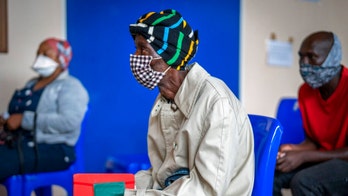
Omicron variant: Pfizer vaccine protects 70% against hospitalization, study finds A two-dose Pfizer/BioNTech vaccination provides just 33% protection against infection by the omicron variant of the coronavirus, but 70% protection against hospitalization, according to an analysis done in South Africa and released Tuesday.
Older adults with moderate alcohol consumption may have decreased risk of heart disease, study suggests Older adults who drink moderate amounts of alcohol may have a reduced risk of cardiovascular disease and a lower risk of mortality from all causes, compared to those who do not drink, according to a study published last month in the European Journal of Preventive Cardiology.
Stroke contributing factors may include losing temper, extreme exercise: study Losing one's temper or exercising too rigorously could be contributing factors for a stroke, according to new research.
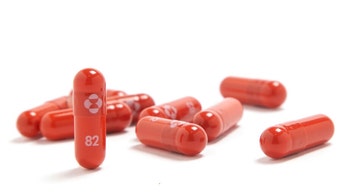
Merck COVID-19 pill: FDA panel weighs safety, effectiveness Government health advisers on Tuesday weighed the benefits and risks of a closely watched drug from Merck that could soon become the first U.S.-authorized pill for patients to take at home to treat COVID-19.
Holiday drinking: How much alcohol should you have this season? The holiday season has arrived, and with it comes temptation. Thanksgiving stuffing and Christmas cookies seem to lurk at every turn and there seems to be a holiday cocktail party every week from November to Jan. 1.
Woman who survived deadly 'widow maker' heart attack hopes to alert others Suzanne Calicchio, 48, hopes to encourage people to take the signs and symptoms of a heart attack more seriously, after surviving a “widow maker” heart attack, according to a recent report
Drinking coffee, tea can lower the risk of dementia, stroke: researchers Can drinking coffee and tea lower the risk of dementia or stroke?
Low libido? Some foods could make a difference Loss of libido is a common problem that can affect many men and women over the course of their lives.
Reduced air pollution during COVID-19 lockdowns linked to fewer heart attacks Reduced air pollution resulting from lockdowns amid the COVID-19 pandemic is reportedly linked to a lower incidence of heart attacks.
Heart disease can be prevented if you go to sleep at this exact time Going to sleep at a certain time is associated with a lower risk of developing heart disease, according to researchers.